Disclosure: Some links in this article are affiliate links. If you book through them, I may earn a small commission at no extra cost to you. I only recommend places and experiences I genuinely think are worth it.
It’s hard to spend time in Lisbon without crossing paths with the Tagus River. I’ve walked alongside it, taken ferries across it, and watched the city change as the light moves over the water. Over time, it becomes clear that the Tagus isn’t just a backdrop—it’s shaped how Lisbon grew, how it traded, and how people still move through the city today. This guide looks at why the Tagus River has always been so important to Lisbon, both historically and in everyday life.
Riverside Lisbon: The Soul of the City
The Tagus River (Rio Tejo in Portuguese) is more than just a scenic backdrop—it is the very heart of Lisbon. Flowing from Spain into Portugal, it has shaped the city’s history, culture, and economy for centuries. From ancient trade routes to modern tourism, its influence is everywhere: in the city’s architecture, its traditions, and even the rhythm of daily life.
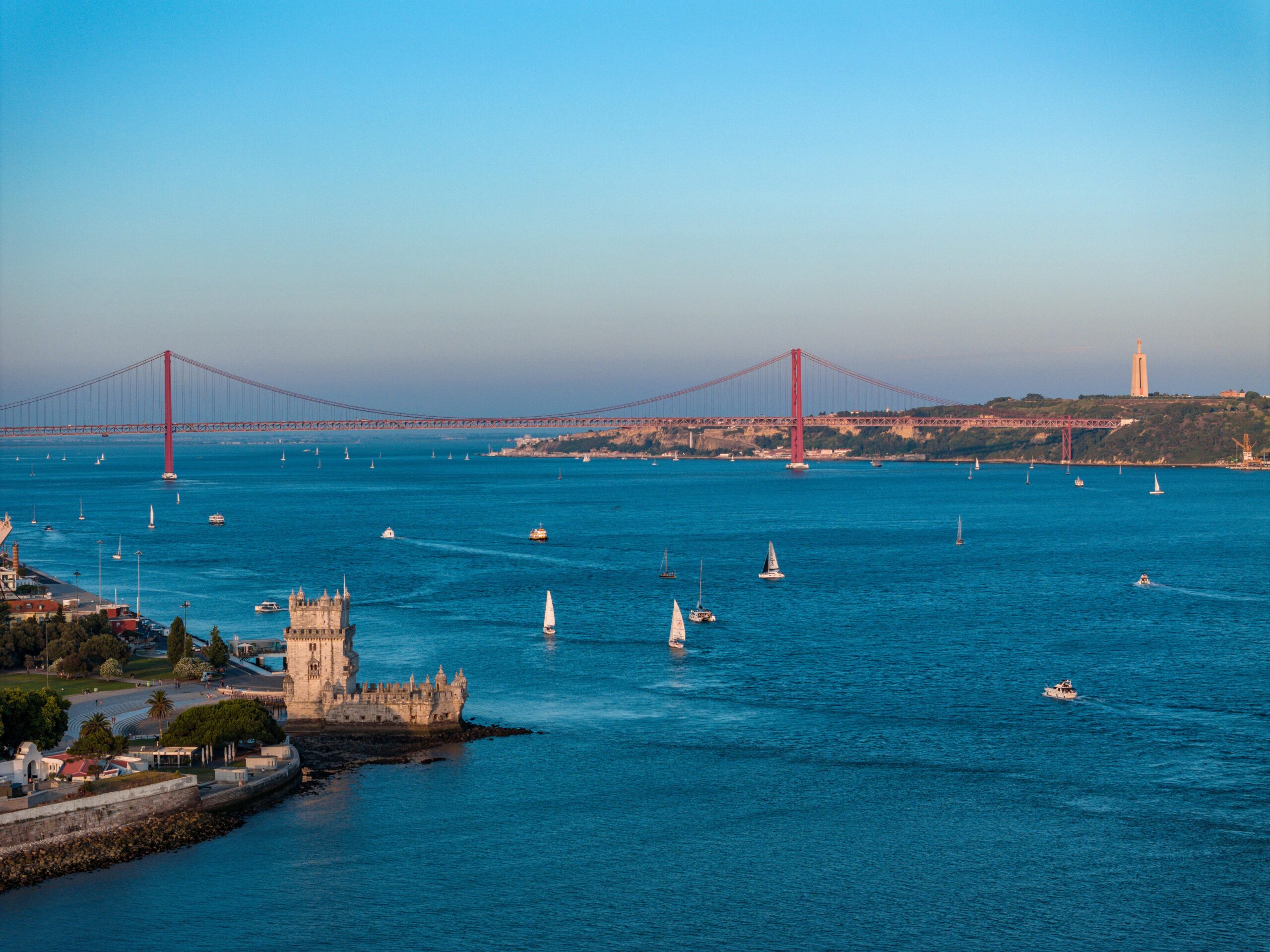
Walking along the riverfront today, you can feel the river’s enduring presence. Cafés line the promenade, ferries glide across shimmering waters, and historic landmarks whisper stories of explorers, merchants, and sailors. The Tagus River is where Lisbon’s past and present meet.
Why Lisbon Has Always Been an Important City
Lisbon’s location at the mouth of the Tagus River has always given it a strategic advantage. Where fresh water meets the Atlantic Ocean, a natural harbor was born. This made Lisbon a trade hub, a military stronghold, and a crossroads of civilizations. Its growth—from a Roman settlement to a thriving European capital—is inseparable from the river’s course.

Reasons Why The Tagus River Is So Important
1. The Longest River in Iberia
Stretching 1,007 kilometers (625 miles), the Tagus River is the longest river in the Iberian Peninsula. Its catchment area of over 80,000 square kilometers provides fresh water to millions, irrigates farmland, and sustains countless species of birds, fish, and wildlife.
For travelers, the Tagus offers endless exploration opportunities. Scenic viewpoints, riverside walks, and boat tours reveal hidden corners of the city and glimpses of life along the river.
2. A Strategic Waterway in History
The Tagus River has been central to Portugal’s military and cultural history. During the Reconquista, armies used it as a natural defense line, while Lisbon’s location at the river’s mouth made it a highly desirable city to control.
Today, many historic forts and castles along the river, like the Belém Tower and Cacilhas forts, are open to visitors. Booking a guided history tour along the river is a great way to connect with Lisbon’s rich past.
Its role has evolved over centuries. It helped me understand Lisbon better.
3. A Gateway for Exploration
During the Age of Discoveries, the Tagus River served as the launchpad for Portugal’s legendary explorers. Vasco da Gama, Ferdinand Magellan, and others set sail from its mouth, forever linking Lisbon to world history.
Visitors today can relive this era by exploring:
Belém Tower, a UNESCO World Heritage Site.
Monument to the Discoveries, celebrating Portugal’s explorers.
MAAT Museum (Museum of Art, Architecture, and Technology), where modern design meets historical context.
👉 Book a Belém guided tour to explore the riverfront and historical landmarks.
👉 Reserve MAAT Museum tickets in advance to skip the lines.
It changed how I understood the city.
4. The Tagus Basin: Lisbon’s Heart
The Tagus Basin is more than just a river—it’s a lifeline. It connects Lisbon to other historic cities like Toledo and Santarém, each with a cultural heritage intertwined with the river. Lisbon’s neighborhoods—Alfama, Baixa, and Cais do Sodré—developed along the river, thriving as commercial and cultural hubs.
Staying near the riverfront allows visitors to experience Lisbon’s charm firsthand.
5. Ecological Significance of the Tagus
The Tagus River is vital for biodiversity. Its estuary and wetlands host countless bird species, fish, and plants. The river provides water for agriculture and drinking, making it crucial for local communities.
Nature lovers can enjoy:
Birdwatching tours spotting flamingos and migratory birds.
Kayaking and sailing trips exploring hidden coves and islands.
👉 Join a Tagus estuary birdwatching tour to see rare species up close.
👉 Experience the river with kayaking and sailing tours for adventure and scenic views.
6. Tagus River’s Role in Lisbon’s Development
The Tagus River fueled Lisbon’s rise as a European capital. Its strategic location enabled trade and attracted merchants and explorers. Waterfront districts like Cais do Sodré became bustling marketplaces, while Alfama developed as a lively fishing community.
Today, the riverfront is a blend of old and new: historic docks, modern museums, and vibrant promenades coexist seamlessly.
👉 Book a Lisbon city tour with riverfront highlights to explore both history and modern attractions.
7. Tourism and Scenic Views
The Tagus River continues to be one of Lisbon’s top attractions. Visitors can:
Stroll along scenic promenades.
Cross the Ponte 25 de Abril bridge for panoramic city views.
Take sunset catamaran cruises with wine tasting.
Hop on a ferry to Cacilhas for seafood and scenic walks.
Adventure seekers can also enjoy kayaking, private boat tours, and sailing trips for a truly immersive experience.
👉 Book a Tagus River sunset cruise to enjoy magical views with wine and snacks.
👉 Take the ferry to Cacilhas and discover riverside restaurants and viewpoints.
8. Festivals, Traditions, and Culture by the River
The Tagus River shapes Lisbon’s culture. Many festivals, like the Festas de Lisboa, celebrate life along its banks with music, street performances, and food. Fishing traditions, seafood cuisine, and even the soulful notes of Fado music are tied to riverside life.
The river also inspires art, photography, and local storytelling, making it a cultural centerpiece of Lisbon.
9. Day Trips and Hidden Gems Along the Tagus
Exploring beyond Lisbon reveals charming towns and unique experiences along the Tagus River:
Cacilhas and Almada: quiet riverside walks and fresh seafood.
Ilha do Frade and Ilha de Cacilhas: perfect for birdwatching and picnics.
Sintra and Cascais: although slightly inland, they’re often included in Tagus river tours.
👉 Book day-trip tours along the Tagus to see hidden gems with local guides.
10. Why the Tagus River Remains Lisbon’s Heart
From explorers to modern tourists, the Tagus River has always been central to Lisbon’s identity. It has shaped culture, commerce, and daily life, inspiring art, music, and architecture.
Whether sailing, strolling, or enjoying a riverside café, the Tagus is more than a river—it is Lisbon itself, a living symbol of history, culture, and natural beauty.

Final Thoughts: The Eternal Flow of the Tagus River
The Tagus River isn’t just a geographical feature — it’s a living story that flows through the heart of Lisbon. From its ancient role as a trade route to its modern-day place as one of the city’s top attractions, the Tagus has shaped everything from Lisbon’s skyline to its soul.
Every stone along the waterfront, every boat that drifts across its calm surface, carries a whisper of history. The Tagus River has seen empires rise and fall, explorers set sail to discover new worlds, and now welcomes travelers who come seeking beauty, culture, and connection.
Whether you’re cruising at sunset, wandering through Belém, or simply sitting by the river with a pastel de nata, you’re experiencing the same river that has inspired poets, painters, and sailors for centuries.
Understanding the Tagus helps explain why Lisbon developed the way it did—and why the river remains such a defining part of the city’s character today.
👉 Book a Tagus River experience and see why this iconic river continues to define Lisbon’s spirit.
👉 Stay near the waterfront at a riverside hotel to wake up to the soft glow of the river at sunrise.
In the end, the Tagus River is more than water flowing to the Atlantic — it’s a reminder that Lisbon’s heart beats to the rhythm of its tides. To understand Lisbon, you must first understand the Tagus — and once you do, it’s impossible not to fall in love with both.
About the author
I’m Duncan, a Lisbon-based guide and writer who’s lived here for 11 years and taken hundreds of visitors around the city. I created Lisbon Listicles to share everything you need to know about Lisbon in clear, practical lists — from iconic sights to hidden gems — so you can plan your trip easily and make the most of your time here.
All recommendations are based on personal experience and the questions I hear most often from visitors.

Leave a Reply