Disclosure: Some links in this article are affiliate links. If you book through them, I may earn a small commission at no extra cost to you. I only recommend places and experiences I genuinely think are worth it.
The more time I’ve spent in Lisbon, the more I’ve understood why this city has mattered for so long. Its importance isn’t tied to a single moment or monument, but to how geography, history, and daily life have intersected here over centuries. This post looks at why Lisbon has always been such an important city, connecting the big historical forces with the traces you can still notice today.
Lisbon: A City Where the Past Meets the Present
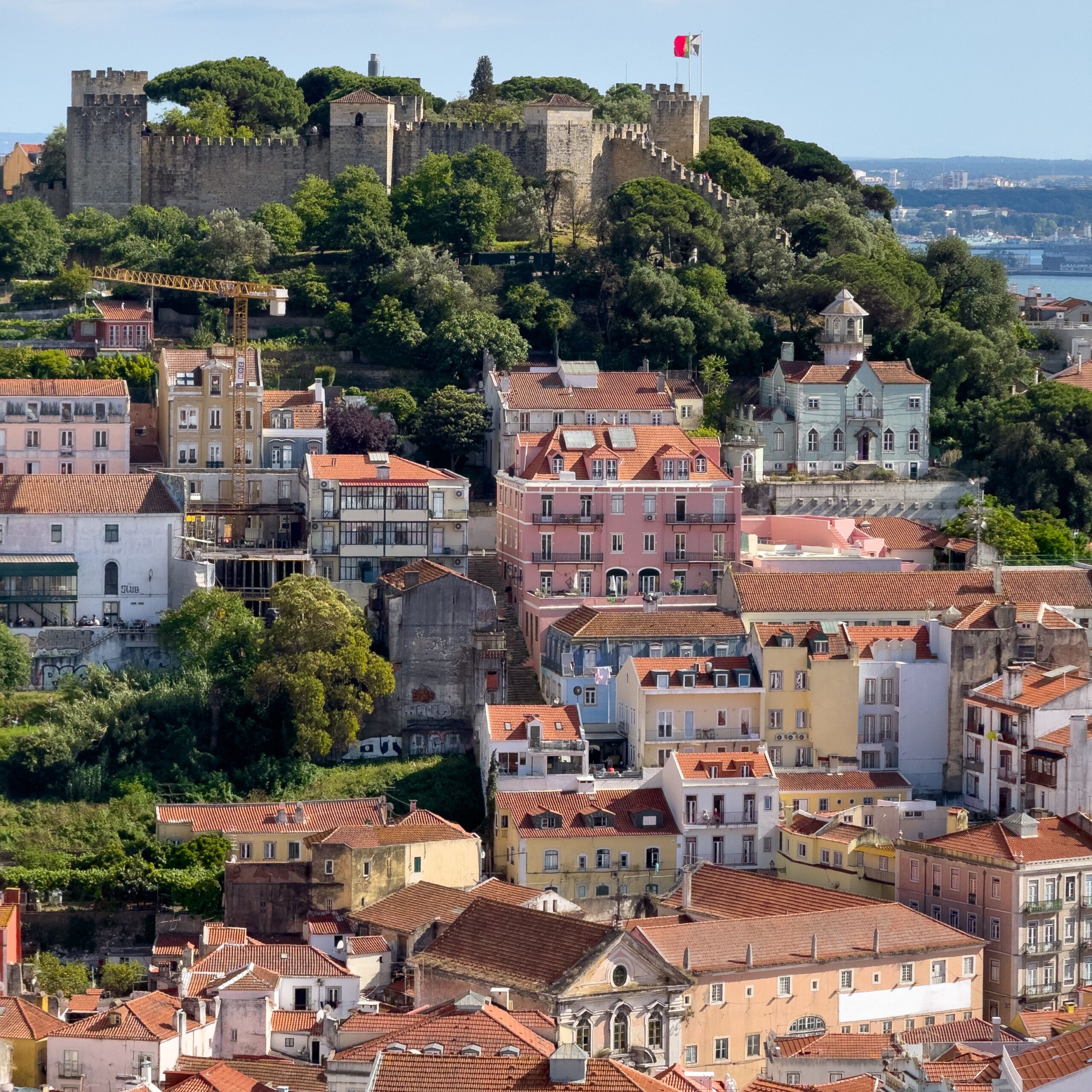
Lisbon isn’t just the capital of Portugal — it’s a city that has shaped the course of history. Sitting at the crossroads of Europe, Africa, and the Atlantic Ocean, Lisbon became the heartbeat of the Age of Discovery, a stage for explorers who redrew the world map.
But Lisbon’s importance isn’t confined to the past. It’s a city that knows how to reinvent itself while staying true to its roots — a city of cobbled streets, soulful music, tiled façades, and lively neighborhoods. From its strategic geography to its architectural treasures, Lisbon is a story of endurance and influence that continues to this day.
👉 Explore the complete story in my Lisbon History & Culture Guide.

Why Lisbon Has Always Been Such An Important City
1. The Most Western Capital City in Europe
Natural geography shaped development. Perched at the edge of the Atlantic, Lisbon holds the unique title of being the most western capital city in Europe. This meant that while other European cities looked inward, Lisbon always looked outward — to the horizon.
During the Age of Discovery, explorers set sail from Lisbon’s harbors to chart unknown seas. Their voyages carried them to Africa, India, Brazil, and beyond, making Lisbon a gateway between continents.
Today, you can still feel this spirit of exploration in places like Belém, where monuments honor Portugal’s seafaring heroes. Strolling by the Monument to the Discoveries or the Belém Tower, you can sense why Lisbon’s geographic position made it the launchpad of globalization.
2. Strategic Location at the Mouth of the Tagus River
Lisbon’s importance is inseparable from the Tagus River, the longest river on the Iberian Peninsula. Flowing into the Atlantic, it created the perfect natural harbor — deep, wide, and accessible.
From this riverbank, Vasco da Gama set sail to India, opening a sea route that changed world trade forever. Today, the Tagus remains the lifeblood of Lisbon. Locals and visitors alike gather at the riverfront to watch ferries, sailboats, and cruise ships glide past.
For travelers, the best way to connect with this heritage is directly on the water. Whether it’s a sunset cruise with wine tasting or a daytime sailing tour, seeing Lisbon from the river offers a perspective that ties the modern city back to its maritime heart.
👉 Experience a Tagus River sunset cruise with Viator for magical views of Lisbon’s skyline.
3. A Historic Hub for Trade and Commerce
Lisbon’s harbor made it a global trading hub centuries before globalization was a concept. Spices from India, gold from Brazil, ivory from Africa, and silks from Asia all passed through Lisbon. The city became one of Europe’s wealthiest and most cosmopolitan capitals in the 16th century.
This wealth left behind enduring landmarks:
The Praça do Comércio, once the royal palace courtyard, where merchants and traders gathered.
The Baixa district, rebuilt after the 1755 earthquake as one of Europe’s first grid-planned neighborhoods.
The Mercado da Ribeira (Time Out Market), now a foodie heaven, but historically a bustling hub for produce and fish.
Today, Lisbon continues to thrive as a place of commerce, though its exports are more likely to be tech startups, fashion, and tourism than spices or gold. History feels present rather than distant.
4. A Melting Pot of Cultures and Beliefs
Few European cities showcase as much cultural layering as Lisbon. Romans built its first roads and theaters. The Moors, who ruled for centuries, left behind the twisting lanes of Alfama and their knowledge of irrigation and architecture. The Jewish community contributed to Lisbon’s intellectual and financial life, particularly during the Middle Ages.
Even Lisbon’s music reflects this fusion. The haunting notes of fado, now protected by UNESCO, are said to carry Moorish melodies, African rhythms, and Portuguese poetry all at once.
Walking Lisbon’s neighborhoods is like peeling back layers of history:
Alfama: Moorish alleys and fado houses.
Mouraria: the birthplace of fado and a modern hub of immigrant communities.
Chiado: Lisbon’s bohemian quarter of writers, cafés, and theaters.
This cultural mix gives Lisbon its reputation as one of Europe’s most vibrant, cosmopolitan cities.
5. Lisbon’s Resilience After the 1755 Earthquake
Understanding this changed how I see the city. One of Lisbon’s defining moments came on November 1, 1755, when a massive earthquake, followed by a tsunami and fires, destroyed much of the city. Tens of thousands perished, and Lisbon lay in ruins.
But out of tragedy came resilience. Under the direction of the Marquis of Pombal, Lisbon was rebuilt with revolutionary urban planning. The new Baixa Pombalina featured wide boulevards, grid-like streets, and earthquake-resistant buildings — centuries ahead of its time.
This reconstruction not only saved Lisbon but also influenced urban planning worldwide, making Lisbon a symbol of resilience and innovation. Still visible in today’s layout. These changes influenced later growth.
6. Lisbon Today: A Thriving Cultural and Economic Hub
Fast forward to today, and Lisbon remains a city of importance. It has evolved into:
A tech hotspot, hosting the Web Summit, one of the world’s largest tech conferences.
A culinary capital, where Michelin-starred restaurants sit alongside family-run tascas.
A university city, producing some of Portugal’s brightest minds.
Tourism now plays a huge role in Lisbon’s economy, but the city has managed to balance growth with authenticity. Visitors find a capital that’s both modern and rooted in tradition — a rare mix in Europe.
7. The Architectural Marvels of Lisbon
Architecture in Lisbon is like opening a history book:
Roman ruins like the Teatro Romano.
Gothic masterpieces such as the Carmo Convent (roofless since the 1755 earthquake, now hauntingly beautiful).
Manueline style at the Jerónimos Monastery, celebrating Portugal’s golden age.
Art Nouveau and modernist buildings, which show Lisbon’s turn-of-the-century elegance.
The famous azulejos tiles, which decorate everything from palaces to train stations.
Every neighborhood tells a different story: Belém for grandeur, Bairro Alto for charm, Parque das Nações for futuristic design.
8. Lisbon’s Food, Wine, and Nightlife Scene
Lisbon’s culinary scene is one of its greatest treasures. From grilled sardines at summer festivals to the iconic pastel de nata at Pastéis de Belém, food here is both history and pleasure.
Don’t miss:
Bacalhau à Brás (a salted cod dish beloved by locals).
Petiscos, Portugal’s version of tapas.
Vinho Verde and port wine, which showcase Portugal’s wine-making traditions.
When the sun sets, Lisbon comes alive. The Bairro Alto fills with music and laughter, while Cais do Sodré has reinvented itself from a sailors’ district to one of Europe’s coolest nightlife spots. Rooftop bars overlooking the river offer unforgettable evenings.
9. Must-Visit Neighborhoods and Day Trips
Part of Lisbon’s charm is its variety. Each neighborhood has its own atmosphere:
Alfama: the oldest district, with winding alleys and fado houses.
Baixa: the grand downtown rebuilt after 1755.
Chiado: historic cafés and bookshops.
LX Factory: a creative hub of art, design, and food in a converted factory.
Beyond Lisbon, you’ll find easy day trips:
Sintra: fairy-tale palaces and lush gardens.
Cascais: a seaside town with beaches and charm.
Évora: a UNESCO World Heritage town with Roman ruins.

Final Thoughts: Lisbon, A City of Endless Importance
So, why has Lisbon always been such an important city? Because it has never stopped reinventing itself. From its role in the Age of Discovery to its resilience after disaster, and from its diverse culture to its modern renaissance, Lisbon embodies the story of Portugal itself.
Lisbon’s importance comes from a long series of decisions, advantages, and turning points rather than a single defining moment. Seeing the city in this wider context helps explain why it has remained relevant for so many centuries.
Whether you come for the history, the food, the music, or the views, Lisbon promises more than a trip — it offers a connection to centuries of global heritage. Few cities can claim such importance, and fewer still make it feel so alive.
About the author
I’m Duncan, a Lisbon-based guide and writer who’s lived here for 11 years and taken hundreds of visitors around the city. I created Lisbon Listicles to share everything you need to know about Lisbon in clear, practical lists — from iconic sights to hidden gems — so you can plan your trip easily and make the most of your time here.
All recommendations are based on personal experience and the questions I hear most often from visitors.
Leave a Reply