Disclosure: Some links in this article are affiliate links. If you book through them, I may earn a small commission at no extra cost to you. I only recommend places and experiences I genuinely think are worth it.
Mouraria is one of those neighborhoods I find myself talking about a lot — partly because I pass through it often while working around the city, and partly because visitors are usually surprised by how layered and authentic it feels. Over time I’ve picked up bits of its story through exploring it myself, answering questions on the go, and digging deeper into its background out of curiosity. This guide is really just me sharing some of those discoveries in a straightforward way.
Mouraria
Mouraria, one of Lisbon’s most historic neighborhoods, is a district where time seems to fold over itself. From its Moorish origins to its modern-day creative scene, this neighborhood is a living reflection of Lisbon’s evolution—rich with music, immigration, street art, food, and surprising calm corners steps away from the busiest tourist streets.
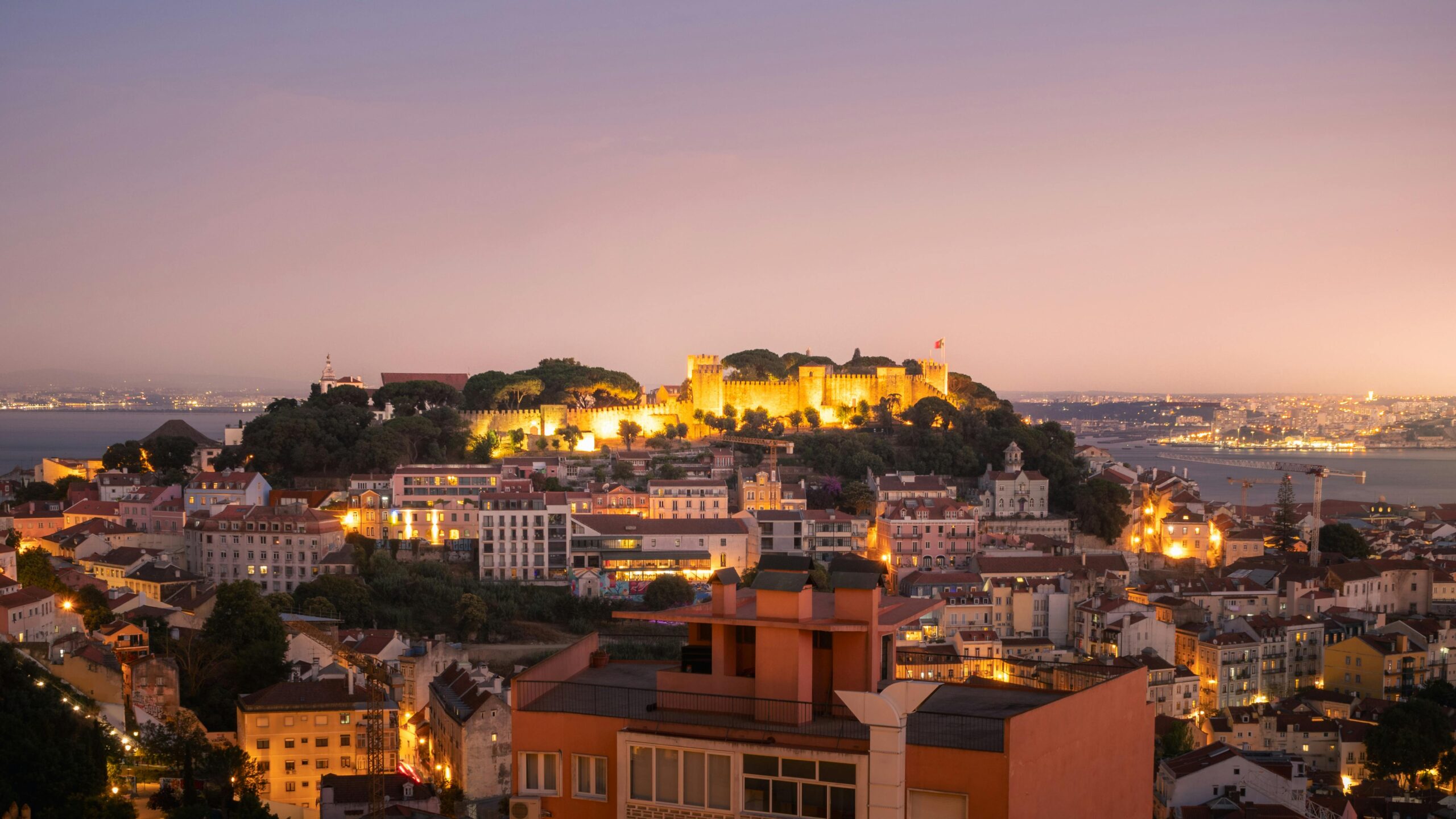
Tucked beneath the iconic Castelo de São Jorge, Mouraria was born after the Christian conquest of Lisbon in 1147, when the Moors who remained were relocated across the hill—giving the area its name, derived from “Mouros” (Moors). Today, the neighborhood remains one of Lisbon’s most authentic places to walk, dine, photograph, explore, and experience local Lisbon life.
Let’s dive into Discovering Mouraria: 10 Fascinating Facts + Bonus Travel Secrets to inspire your Lisbon itinerary.

Discovering Mouraria: 10 Fascinating Facts
1. The Birthplace of Fado
Mouraria is the undisputed home of Fado, Lisbon’s emotional and poetic musical genre. It was here that Maria Severa, the first legendary Fado singer, performed in the 19th century—and ever since, the sound of singing and Portuguese guitar has remained part of the soul of the neighborhood.
Today you can still hear Fado in atmospheric taverns and tiny venues lit by candlelight, where both locals and visitors gather for unforgettable performances.
2. A Multicultural Tapestry
Mouraria is one of Lisbon’s most diverse neighborhoods, home to residents from more than 50 nationalities. Around every corner, you’ll hear different languages, see global groceries and bakeries, and pass eateries from Portugal, India, Bangladesh, Nepal, Cape Verde, China, Mozambique, Brazil, and beyond.
This blend of cultures gives Mouraria a global energy that still feels intensely local—a place that changes not because of tourism, but because of the people who live here.
3. Winding Medieval Streets
Some streets in Mouraria are more than 800 years old, and wandering them feels like stepping through Lisbon’s architectural timeline. Look for:
-
Traditional azulejos
-
Hidden courtyards
-
Narrow staircases
-
Small community plazas
-
Iron-balconied apartments
This is one of the best places in Lisbon to explore with no map at all—because the joy is not in where you end up, but in how you get there.
4. A Living Street Art Gallery
Mouraria is an open-air art museum—its walls alive with street art murals, stencil portraits, typography, tribute pieces, and urban installations.
One of the most famous is the Fado Vadio mural, featuring musical icons and poetic quotes.
Street art tours help you understand the artists’ stories, themes, political commentary, and creative techniques—ideal for photographers and art lovers.
5. A Culinary Haven
Mouraria is the foodie district locals whisper about. You’ll find:
Petiscos (Portuguese tapas)
Bacalhau à Brás
Nepalese momos
Cape Verdean stews
Mozambican curries
Traditional “tascas” that haven’t changed in 40 years
It’s one of the best areas of Lisbon to escape standardized menus and actually discover what people here really eat.
👉 A neighborhood food tour can help unlock authentic, family-run kitchens you’d never know existed.
6. Hidden Viewpoints
Lisbon is famous for its viewpoints—but Mouraria has some of the most atmospheric spots, including Miradouro da Graça, where golden sunlight hits the rooftops and the Tagus River in the most magical way.
If you’re traveling with a tripod or planning Instagram-worthy shots, this is your golden-hour location.
7. Rich Historical Landmarks
History isn’t something you “look at” in Mouraria—it’s embedded in the streets. Highlights include:
-
Church of São Cristóvão, a Baroque gem filled with 18th-century oil paintings
-
Fragments of the old Mouraria Wall, remaining from Lisbon’s Moorish defenses
Guided tours help bring these to life with stories, legends, and local folklore.
8. Lively Festivals and Traditions
If you visit Lisbon in June, you’ll experience the explosion of color and celebration that is Festa de Santo António, and Mouraria is the best district in the city to join the party. Expect:
🎶 Live music
🍻 Street parties
🔥 Dancing
🐟 Charcoal-sizzling sardines
🎉 Decorations everywhere
But even beyond summer, Mouraria hosts events, cultural celebrations, and community festivals year-round.
9. Largo da Achada – A Local Gathering Spot
This charming plaza is the heart of Mouraria’s relaxed social scene. Surrounded by cafés, it often hosts:
-
Film screenings
-
Book readings
-
Live music
-
Neighborhood gatherings
Grab a bica (espresso), sit outside, and watch Mouraria live its life around you.
10. A Neighborhood in Creative Transformation
Mouraria has changed dramatically in recent years—but importantly, not in a way that erases its soul. Co-working studios, workshop spaces, indie galleries, and places like Casa Independente have attracted musicians, designers, and entrepreneurs.
This is the Lisbon neighborhood for travelers who love places with authentic grit, real creativity, and living culture—not Instagram façades.

Stay Overnight in Mouraria
If you want to experience Mouraria fully, don’t just visit—stay here. The neighborhood has small hotels, boutique apartments, and family-run guesthouses that offer:
Local prices
Authentic charm
Easy access to historic Lisbon
👉 Want to compare the best hotel deals? Check availability and book with Booking.com for competitive rates and flexible choices.
Experience a Fado + History Night Tour
Combine walking, storytelling, and live performances in the birthplace of Fado. Many tours include:
Wine or traditional Portuguese snacks
Visits to historical cafés and tavernas
Atmospheric live Fado performances
👉 Reserve your Mouraria Fado evening experience with Viator to secure your spot during busy months.
Combine Mouraria With Other Historic Districts
From here, everything is close:
-
Martim Moniz
Some walking tours connect multiple districts—perfect if you want to understand how Lisbon grew across its hills.
Take a Photo or Street Art Tour
Because Mouraria has such raw, expressive, and emotional street art, guided photo tours are ideal for:
Travel photographers
Street art lovers
Solo travelers who want expert local insight
👉 Book with GetYourGuide or Viator for small-group or private options.
Sample Multicultural Cuisine With a Local Guide
If you’ve ever wanted to dive into immigrant food communities in Lisbon, Mouraria is the place. Joining a guided experience lets you taste dishes you’d never find without local guidance.
Expect:
Street snacks
Market stalls
Home-style restaurants
Rare drinks
Cape Verdean, Nepalese, Mozambican specialties
👉 Book a multicultural food tour to unlock Mouraria through its flavors.
Tips for Exploring Mouraria
👉 Join a Walking Tour
Local guides are the best way to uncover hidden alleys, stories, and lesser-known corners.
👉 Eat in Small Family Restaurants
This is where Mouraria’s heart beats—skip chain eateries and embrace the unknown.
👉 Wander Without a Plan
Mouraria rewards curiosity—its best corners are unintentional discoveries.
👉 Stay in the Neighborhood
If you stay nearby, you experience Mouraria morning, afternoon, and night.
👉 Book Experiences Ahead
Fado experiences, food tours, and guided walks often sell out—especially in summer.
Final Thoughts
Mouraria isn’t always polished or obvious at first glance, but that’s exactly what makes it interesting. I hope these facts help you notice the character behind the streets and give you a richer sense of how it fits into Lisbon’s wider identity.
Mouraria is the Lisbon that Lisbonites still recognize—historic, multicultural, creative, and endlessly soulful. It’s where music, immigration, history, and reinvention live side-by-side in a single district.
Whether you’re:
A foodie
A photographer
A street art lover
A culture traveler
A history buff
Someone who wants to experience Lisbon beyond the obvious
Mouraria offers a deeper, more intimate, and more authentic experience than many tourist zones.
On your next trip, go beyond the postcard version of the city—and walk into the Lisbon that locals love.
About the author
I’m Duncan, a Lisbon-based guide and writer who’s lived here for 11 years and taken hundreds of visitors around the city. I created Lisbon Listicles to share everything you need to know about Lisbon in clear, practical lists — from iconic sights to hidden gems — so you can plan your trip easily and make the most of your time here.
All recommendations are based on personal experience and the questions I hear most often from visitors.
Leave a Reply