Disclosure: Some links in this article are affiliate links. If you book through them, I may earn a small commission at no extra cost to you. I only recommend places and experiences I genuinely think are worth it.
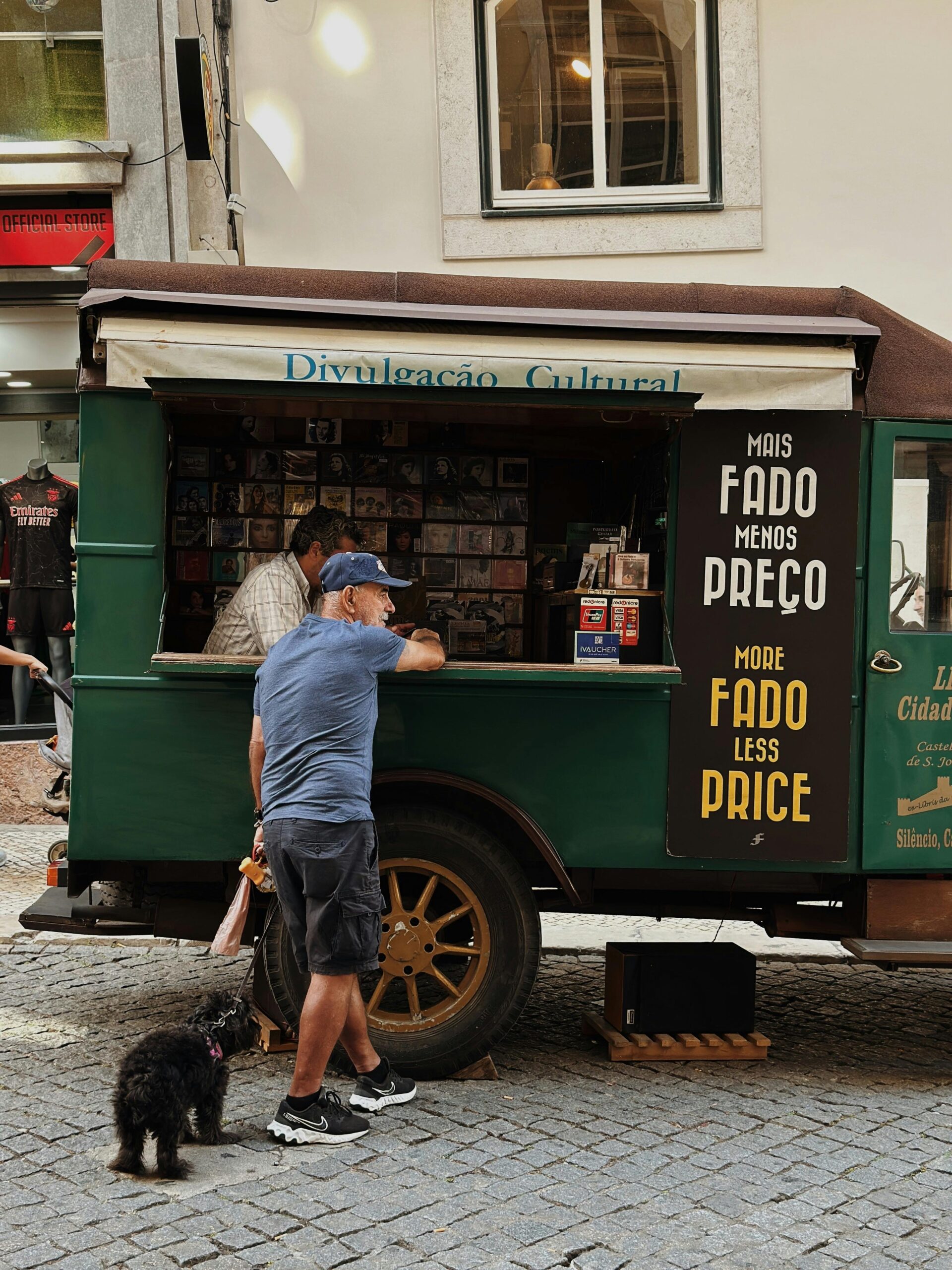
Fado grows on you. I have to admit. Don’t feel bad if you hear it but don’t like it. When i fiorst heard fado I thought the same thing. It’s just too darn depressing. Why on earth would anyone listen to that? But there is much mre too fado than that and it is a very important part of Portuguese cultural and the way the Portuguese people are. Going to a fado restraunt while you are in Lisbon is also something I really recommend doing.
Set aside whatever you think you know about Fado and just enjoy the experience.
Fado music is one of Portugal’s most iconic cultural treasures, renowned for its soulful melodies and emotional depth. While it is often associated with Lisbon’s Alfama neighborhood, its roots trace back to Mouraria, on the hill behind the famous Castelo de São Jorge. But what makes fado music so famous, and why do locals and visitors alike fall in love with it?
In this post, we’ll explore 10 key reasons why fado continues to captivate hearts worldwide and share practical tips for experiencing it firsthand.
What is Fado?
The name “Fado” comes from the Latin word fatum, meaning fate or destiny. Traditionally, fado was the music of sailors’ wives, who sang to express their longing and sorrow as their husbands sailed away for months—or even years. Fado is deeply emotional, often exploring themes of saudade (a uniquely Portuguese sense of longing), love, and loss.
The Meaning of Saudade
One of the most important concepts connected to fado is saudade.
It’s a Portuguese word that doesn’t have a perfect English translation, which is part of what makes it so special. Saudade is often described as a deep emotional feeling of longing, nostalgia, melancholy, or yearning for something that may never return.
It can refer to:
- missing a person
- longing for the past
- remembering a place
- feeling emotionally connected to something lost or distant
Saudade sits at the very heart of fado music.
Many fado songs revolve around:
- impossible love
- heartbreak
- memory
- fate
- separation
- nostalgia for old Lisbon
Even if listeners don’t understand the Portuguese lyrics, they can often still feel the emotion behind the performance. That emotional intensity is one of the reasons fado leaves such a strong impression on visitors experiencing it for the first time.
Where Did Fado Originate?
Fado originated in Lisbon during the early 19th century, although historians still debate the exact origins of the genre.
Most researchers believe fado emerged from a mixture of influences connected to Lisbon’s port neighborhoods and working-class communities. Sailors, dock workers, tavern singers, migrants, and laborers all helped shape the music over time.
Possible influences include:
- African rhythms
- Brazilian musical traditions
- Moorish influences
- Portuguese folk music
- maritime culture
The neighborhoods most closely associated with the birth of fado are:
- Mouraria
- Alfama
- Bairro Alto
In its earliest days, fado was often performed informally in taverns and small gathering places rather than concert halls or theaters. The music reflected the struggles and emotional realities of ordinary people living in Lisbon.
Over time, fado evolved from local street music into one of Portugal’s most respected cultural traditions.
Why Is Fado Important in Portugal?
Fado is far more than just a music genre in Portugal.
For many Portuguese people, it represents national identity, emotional expression, history, and cultural memory. The themes explored in fado — longing, destiny, saudade, heartbreak, and nostalgia — are deeply intertwined with Portuguese culture itself.
The music also reflects important parts of Portugal’s history, including:
- maritime exploration
- migration
- separation from loved ones
- urban life in Lisbon
- social struggles
Over the decades, fado became one of Portugal’s greatest cultural exports and is now recognized internationally as a defining symbol of the country.
Even today, fado remains an important part of Portuguese life and culture, especially in Lisbon.
Many visitors come to Portugal specifically hoping to experience live fado because it offers something that feels deeply authentic and uniquely Portuguese.
If you’re interested in hearing songs specifically connected to Lisbon and its atmosphere, check out:
👉 10 Beautiful Fado Songs That Capture the Soul of Lisbon
The History of Fado in Lisbon
Lisbon and fado are inseparable.
The genre was born in the city’s oldest and most historic neighborhoods, particularly among working-class communities living near the port areas of Lisbon during the 19th century.
Early fado was associated with:
- sailors
- taverns
- nightlife
- laborers
- marginalized communities
The music initially carried a rough reputation and was often connected to the poorer side of Lisbon society. However, over time, fado gradually became more accepted and respected throughout Portugal.
During the 20th century, artists like Amália Rodrigues helped elevate fado into an internationally respected art form.
Today, Lisbon remains the spiritual home of fado. Neighborhoods like Alfama and Mouraria still host traditional performances nightly, and the music continues to shape the atmosphere and cultural identity of the city.
After living in Lisbon for years and attending countless performances, I genuinely believe there’s no better place in the world to experience fado than in the old neighborhoods where it was born.
If you’re planning to experience live fado in Lisbon, read my full guide here:
👉 Fado in Lisbon: Best Restaurants, History & Where to Experience It
Traditional Fado Instruments
Fado music is known for its distinctive sound, which is largely created through its traditional instruments.
The most iconic instrument associated with fado is the Portuguese guitar.
Portuguese Guitar
The Portuguese guitar has:
- a pear-shaped body
- twelve steel strings
- a bright, emotional sound
Its haunting melodies are one of the defining characteristics of fado music.
Classical Guitar
Most performances also include a traditional classical guitar, often referred to in Portugal as the viola.
This instrument provides rhythm and harmonic support for both the singer and Portuguese guitar.
Bass Guitar
Some modern performances also include an acoustic bass guitar to create a fuller sound.
Despite occasional modern influences, traditional fado performances usually remain relatively simple and intimate musically.
Types of Fado
Although many visitors think of fado as a single style of music, there are actually different forms of the genre throughout Portugal.
The two most famous styles are:
- Lisbon fado
- Coimbra fado
Lisbon Fado
Lisbon fado is the most internationally recognized style.
It developed in the taverns and historic neighborhoods of Lisbon and is generally:
- emotional
- dramatic
- expressive
- deeply connected to saudade
Performances often take place in intimate restaurants and music houses where audiences sit quietly and focus intensely on the singer.
Most tourists experience Lisbon fado when visiting the city’s traditional neighborhoods like:
- Alfama
- Mouraria
- Bairro Alto
Coimbra Fado
Coimbra fado developed in the university city of Coimbra and has a very different atmosphere from Lisbon fado.
Traditionally performed by male university students, Coimbra fado is:
- more formal
- more academic
- more poetic
Performers often wear black academic capes, and performances historically took place beneath windows or in public squares.
Unlike Lisbon fado, Coimbra fado is generally less associated with tavern culture and emotional nightlife settings.

Why Fado Music Is So Famous: 10 Reasons You Should Know
1. UNESCO World Heritage Status
In 2011, UNESCO officially added fado to its list of:
Intangible Cultural Heritage of Humanity
The recognition acknowledged fado’s:
- cultural importance
- historical value
- emotional depth
- role in Portuguese identity
UNESCO also recognized the importance of preserving the traditions, music, performance styles, and community culture surrounding fado.
The decision helped strengthen international interest in Portuguese music and further established fado as one of the world’s great cultural traditions.
2. A Representation of Portuguese Culture
Fado has become a symbol of Portuguese identity. Its lyrics and melodies reflect the nation’s complex history, weaving together nostalgia, longing, and pride. For many visitors, experiencing fado in Lisbon is an essential cultural moment.
3. Deep Historical Roots
Fado blends multiple cultural influences. Its 19th-century origins combine African, Moorish, and Portuguese folk traditions, creating a melancholic sound that resonates emotionally with listeners. Its history gives it a timeless, universal appeal.
4. A Unique Sound That Moves the Soul
Fado’s unique sound comes from the Portuguese guitar, a 12-string instrument with a haunting tone, paired with expressive, heartfelt vocals. This combination creates an intimate, immersive musical experience unlike any other.
5. Storytelling Through Song
Fado songs are more than just music; they are stories of love, loss, and fate. The lyrics often focus on life’s most poignant emotions, with stories of unrequited love, betrayal, and the melancholy of longing. This deeply personal storytelling creates a strong emotional connection with listeners.
6. Worldwide Recognition
Although fado originated in Portugal, its appeal has spread globally. Fado festivals and performances are now held worldwide, attracting audiences who appreciate its raw emotion.
👉 You can book a guided fado tour in Lisbon with Viator to experience the best live performances.
7. Unmatched Passion and Emotion
One of the defining qualities of fado is its intense passion and emotion. The music is never just performed; it is felt deeply by the singers and audience alike. This heartfelt delivery is one of the reasons why fado continues to captivate listeners of all backgrounds.
That’s why I always tell people, don’t worry if you don’t understand Portuguese. You can feel what they are saying.
8. Famous Fado Singers
Over the years, many legendary artists have helped shape the history of fado.
Some performers preserved traditional styles, while others modernized the genre and introduced it to international audiences.
Amália Rodrigues
Amália Rodrigues is widely considered the greatest and most influential fado singer of all time.
Known as:
“The Queen of Fado”
she transformed fado from a local Lisbon tradition into an internationally respected art form.
Her emotional voice, dramatic performances, and poetic interpretations helped define Portuguese music during the 20th century.
Even today, many people consider her the face of fado itself.
If you want to learn more about her connection to Lisbon, read:
👉 Discovering Amália Rodrigues’ Lisbon
Carlos do Carmo
Carlos do Carmo played a huge role in modernizing fado while still respecting its traditions.
His music helped introduce fado to new international audiences, and he became one of Portugal’s most beloved cultural figures.
He also played an important role in preserving fado’s cultural importance within Portugal itself.
Read more here:
👉 10 Facts About Carlos do Carmo
Mariza
Mariza is one of the most internationally successful modern fado singers.
While deeply influenced by traditional fado, she also introduced contemporary elements that helped attract younger and international audiences to the genre.
Her performances helped bring global attention back to fado during the 21st century.
Today, she remains one of Portugal’s most recognizable musical artists.
9. Happy Fado Exists Too!
While fado is often associated with sadness and nostalgia, there’s also a lively side to the genre. Upbeat fado songs exist, showcasing joy, celebration, and even humor. These songs offer a contrast to the more melancholic tunes, showing the full spectrum of Portuguese emotion.
Yes, most of it is “cry in your pillow”t type of music, but there are a lot of joyful songs too. It’s not all bad.
10. A lasting Legacy
Fado’s significance in Portuguese culture cannot be overstated. Its legacy has survived for centuries and continues to be passed down from generation to generation. Fado remains a pillar of Portugal’s cultural identity and is a testament to the enduring power of music to express the human experience.

What to Expect at a Live Fado Performance
Attending a live fado performance in Lisbon is very different from attending a typical concert.
Most performances happen in:
- restaurants
- taverns
- intimate music houses
The atmosphere is usually quiet, emotional, and respectful.
Silence Is Important
During performances, conversations stop almost entirely.
Many venues dim the lights, and audiences focus completely on the singer.
Performances Happen Throughout Dinner
Rather than one continuous concert, most fado restaurants alternate between:
- food service
- short musical sets
- pauses between performances
A typical evening often lasts several hours.
The Atmosphere Can Vary
Some venues feel:
- deeply traditional
- emotional
- intimate
Others are:
- more theatrical
- tourist-oriented
- modernized
Both types of experiences can be enjoyable depending on what you’re looking for.
Top Fado Restaurants in Lisbon
Enjoying fado in a traditional restaurant enhances the experience. Popular venues include:
Clube de Fado
Parreirinha de Alfama
👉 You can book a Fado dinner with GetYourGuide to reserve a table and skip the lines.
Fado Festivals & Events
Lisbon hosts several fado festivals throughout the year, bringing together renowned performers and rising stars. The Fado na Baixa Festival and the Lisbon Fado Festival are must-see events for music lovers.
Fado Instrument Shops & Workshops
For visitors interested in the instruments themselves, Lisbon offers workshops where you can learn about the Portuguese guitar and even try playing. These hands-on experiences give a deeper appreciation for the craftsmanship behind fado music.
Is Fado Still Popular Today?
Absolutely.
Although fado is deeply rooted in tradition, it remains very popular in modern Portugal.
In Lisbon especially, live performances happen every night throughout neighborhoods like:
- Alfama
- Mouraria
- Bairro Alto
Modern artists continue introducing new audiences to the genre, while traditional performers help preserve its historic roots.
Fado has also become increasingly popular with international visitors seeking authentic cultural experiences in Portugal.
After spending years living in Lisbon, one thing I’ve noticed is that fado still feels genuinely alive here. It isn’t simply performed for tourists — it remains an important emotional and cultural tradition for many Portuguese people today.
That continued connection between the music and everyday life is part of what makes experiencing fado in Lisbon feel so special.
Ready to Experience Fado?
If you’re eager to hear fado live, Lisbon is your destination. From the historic Alfama neighborhood to intimate restaurants and grand theaters, there are countless opportunities to enjoy the music.
-
Stay in central Lisbon with Booking.com to be within walking distance of top fado venues.
-
Book a Fado dinner show with Viator for an unforgettable evening.
-
Explore guided fado walking tours on GetYourGuide to uncover the stories behind this soulful music.
Let the passion of fado transport you, whether you’re savoring the haunting lyrics in a candlelit restaurant or exploring the streets where it all began.
Amalia Rodrigues – The Queen of Fado
About the author
I’m Duncan, a Lisbon-based guide and writer who’s lived here for 11 years and taken hundreds of visitors around the city. I created Lisbon Listicles to share everything you need to know about Lisbon in clear, practical lists — from iconic sights to hidden gems — so you can plan your trip easily and make the most of your time here.
All recommendations are based on personal experience and the questions I hear most often from visitors.
Leave a Reply