Disclosure: Some links in this article are affiliate links. If you book through them, I may earn a small commission at no extra cost to you. I only recommend places and experiences I genuinely think are worth it.
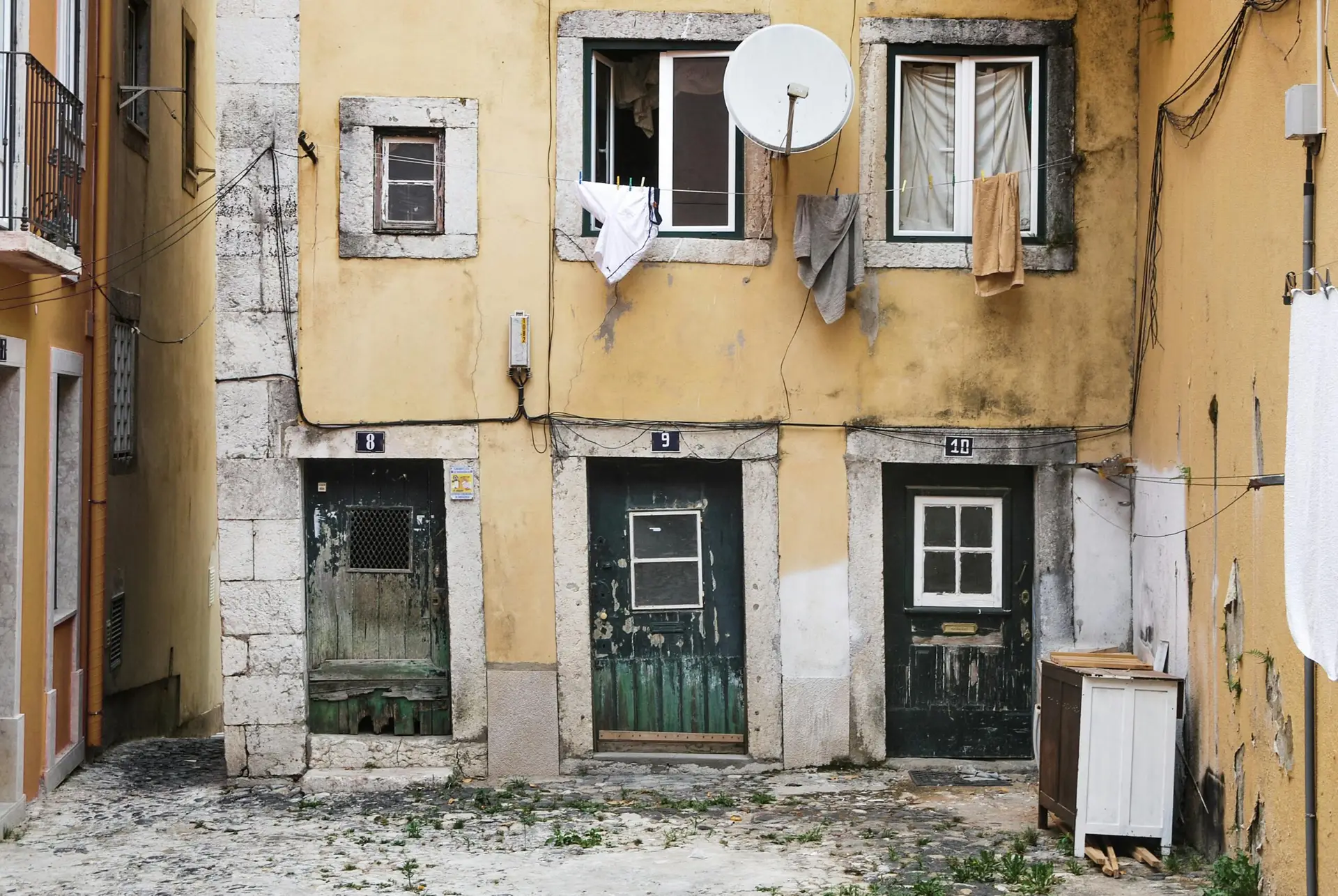
I moved to Lisbon in January 2015. I have to admit, Lisbon was or at least felt like it was, very rundown. Lot’s of buildings in and around the centre badly in need of some TLC. Since then, a lot of those same building have been given a new life.
I’ve heard this question more times than I can count while showing visitors around Lisbon: “Why do some parts of the city look so run down?” It’s an understandable observation, especially if it’s your first visit. You’ll often see beautiful old buildings sitting beside abandoned properties, faded façades next to freshly restored ones, and streets that look like they’ve barely changed in decades.
After living in Lisbon for years, I’ve come to realise that the answer is far more interesting than it first appears. What many visitors see as neglect is often the result of centuries of history, economic challenges, strict preservation laws and a city that’s undergoing one of the biggest transformations in its modern history. Once you understand the reasons behind it, you begin to see Lisbon in a completely different light.
Rundown Lisbon
For many first-time visitors, Lisbon can be a city of striking contrasts. One moment you’re admiring beautifully restored palaces, elegant plazas and colourful tiled buildings, and the next you’re walking past abandoned houses with peeling paint, cracked façades and boarded-up windows. It’s a question that naturally comes up: Why does Lisbon sometimes look rundown?
The answer isn’t simple, but it has very little to do with the city being neglected. Lisbon is one of Europe’s oldest capitals, with a history stretching back more than two millennia. Many of its buildings are several hundred years old, and preserving them isn’t always straightforward. Add in the effects of the devastating 1755 earthquake, decades of economic hardship, changing housing policies and the challenges of balancing tourism with local communities, and it’s easy to see why parts of the city have developed at different speeds.
Today, Lisbon is changing rapidly. Across neighbourhoods like Baixa, Mouraria, Marvila and Alcântara, restoration projects, new businesses and urban regeneration schemes are breathing fresh life into historic buildings while trying to preserve the city’s unique character. It’s an ongoing process, and one that’s reshaping Lisbon without erasing the history that makes it so distinctive.
Having lived here for years, I’ve watched many areas transform dramatically while others have retained the wonderfully weathered appearance that gives Lisbon much of its charm. Understanding that contrast is one of the keys to appreciating the city as locals do.

Why Does Lisbon Appear Rundown?
1. Historical Challenges and Economic Inequality
Lisbon’s appearance has been shaped by centuries of history, including devastating earthquakes, political upheavals, and periods of economic instability. These events caused uneven development, leaving some neighborhoods underfunded and neglected. Many older buildings show signs of wear simply because decades passed without adequate investment in repairs.
2. Outdated Infrastructure
Parts of Lisbon still rely on old infrastructure. Aging roads, historic buildings, and older public transportation systems give certain areas a run-down feel, even though these streets are rich in character. Some neighborhoods haven’t seen modern upgrades, which can make them seem less inviting at first sight.
3. Neglected Heritage
The city is home to countless historic buildings, monuments, and landmarks, many of which are centuries old. Limited funding and prioritization mean that some sites fall into disrepair. This is especially true for areas outside the main tourist districts. While efforts are underway to preserve these gems, many are still waiting for restoration.
4. Urban Decay and Gentrification
Some Lisbon neighborhoods have experienced urban decay, while others are undergoing gentrification. This creates stark contrasts: older, neglected streets sit alongside trendy cafés and boutique hotels. While gentrification brings investment and improved amenities, it can also displace long-time residents, changing the local character of these districts.
What Is Being Done to Revive Lisbon?
Despite these challenges, Lisbon is actively revitalizing itself through infrastructure projects, urban renewal, and cultural preservation. Here are some of the key efforts transforming the city today:
1. The Baixa Rehabilitation Project
One of the most notable projects is the Baixa district rehabilitation, where downtown streets are being transformed with new public spaces, updated roads, and better services. This initiative aims to create a more vibrant, livable, and sustainable urban environment. Visitors can already see improvements in architecture, plazas, and pedestrian areas.
2. Focus on Sustainable Urban Development
Many projects in Lisbon now prioritize sustainability. This includes the creation of green spaces, energy-efficient buildings, and eco-friendly transport initiatives. By focusing on environmentally conscious urban planning, Lisbon not only improves aesthetics but also creates a healthier and more enjoyable experience for residents and visitors alike.
3. Preserving Lisbon’s Cultural Heritage
Historic preservation is central to the city’s revival. Initiatives are underway to restore iconic landmarks such as the Alfama district and ancient churches. These projects ensure cultural heritage remains intact while blending harmoniously with modern developments.
4. Investment in Infrastructure and Public Services
The city is improving public transport, roads, bike lanes, and pedestrian areas. The Lisbon Metro has been upgraded, new tram routes are being added, and pedestrian zones are expanding. These enhancements make the city more accessible and enjoyable for tourists, while also boosting the local economy.

Neighbourhoods That Have Changed the Most
This fits the article perfectly and gives you another opportunity to naturally include internal links.
You could briefly mention:
- LX Factory – from abandoned industrial complex to creative hub.
- Marvila – Lisbon’s emerging arts, brewery and creative district.
- Mouraria – historic neighbourhood benefiting from restoration while retaining its multicultural character.
- Baixa – continuous restoration of historic buildings and public squares.
- Cais do Sodré – transformed from a gritty docklands district into one of Lisbon’s most vibrant nightlife and dining areas.
- Parque das Nações – an example of complete urban regeneration following Expo ’98.
Understanding Lisbon’s Charm
One thing that’s worth remembering is that old doesn’t necessarily mean neglected.
Unlike many modern cities, Lisbon hasn’t been polished into perfection. Its worn cobblestones, faded pastel buildings, traditional shopfronts and centuries-old façades tell the story of a city that has evolved gradually rather than being rebuilt from scratch.
Many locals actually value this character. If every historic building were replaced with modern apartments or glass office blocks, Lisbon would lose much of the authenticity that attracts millions of visitors every year.
That’s not to say restoration isn’t important—it absolutely is—but most people would agree that preserving Lisbon’s identity matters just as much as modernising it.
One of the things I’ve grown to appreciate most after living here is that Lisbon feels lived-in rather than manufactured. It isn’t a city that has been designed purely for tourists, and I think that’s part of what makes it so special.
Local Experiences in Revitalized Areas
Lisbon’s transformation offers more than sightseeing—it gives visitors unique hands-on experiences in neighborhoods that blend old-world charm with modern vibrancy. Here are a few to try:
1. Fado Nights in Alfama
Experience the soul of Lisbon with a Fado music night in Alfama. These intimate performances capture the city’s history and emotion. If you are looking for an amazing cultural experience, go to a fado restaurant.
Now, there a lot of “scammy” fado restraunts in town. Avoid them and go to a proper one.
👉 Check out our post on the best fado restaurants.
👉 Book a Fado evening with Viator to reserve a seat in advance.
2. Tile-Painting Workshops
Learn the art of azulejo painting, Lisbon’s iconic ceramic tiles. Workshops often include historical context and take-home souvenirs.
I love these tile-painting workshops. Imagine taking home with you a tile that you painted in Lisbon.
👉 Secure a spot through GetYourGuide for an immersive experience.
3. Guided Tram 28 Tours
Hop on the famous Tram 28 to explore Lisbon’s steep streets, historic neighborhoods, and hidden viewpoints.
👉 Skip the wait and book a guided tour via Viator for insider tips and photography stops.
4. Alfama Walking Tours
Discover Alfama’s winding streets, street art, and local markets with a guided walking tour.
Alfama is Lisbon’s oldest neighbourhood. No trip to Lisbon is complete without a trip to Alfama – trust me!
5. Rooftop Views and Sunset Experiences
Some revitalized areas offer rooftop bars and viewpoints with panoramic views of the city and Tagus River. In fact, rooftop bars and boat parties and river cruises are all the rage in Lisbon. Definitely woth adding to your itinerary.
👉 Pre-book a sunset tour or rooftop experience on Viator to enjoy the best photo opportunities.
These experiences not only support local businesses but also enhance your visit, offering authentic memories beyond the usual tourist spots.
❓Frequently Asked Questions
❓Why do some buildings in Lisbon look abandoned?
Many older buildings have complicated ownership histories, require expensive restoration work or are protected by heritage laws that make renovations slower and more costly. In recent years, more of these buildings have begun to be restored as investment in the city has increased.
❓Is Lisbon a poor city?
No. Lisbon is Portugal’s capital and economic centre. However, like many historic European cities, it has experienced periods of economic difficulty, housing shortages and uneven investment, which have affected different neighbourhoods in different ways.
❓Is Lisbon becoming more modern?
Yes. Over the past decade, Lisbon has seen significant investment in infrastructure, hotels, restaurants, public spaces and historic buildings. While some neighbourhoods have changed rapidly, others are developing at a slower pace to help preserve their historic character.
❓Why aren’t all the old buildings renovated?
Restoring historic buildings is often expensive and subject to strict planning regulations designed to protect Lisbon’s architectural heritage. In many cases, renovation projects can take several years to complete.
❓Does Lisbon have unsafe neighbourhoods?
Like any major city, Lisbon has areas that are quieter or less affluent than others. However, the vast majority of neighbourhoods visited by tourists are perfectly safe, especially during the day. Basic travel awareness is usually all that’s needed.
❓Is gentrification changing Lisbon?
Yes. Rising tourism and international investment have transformed many parts of Lisbon over the past decade. While this has helped restore historic buildings and create new businesses, it has also contributed to higher housing costs and sparked ongoing discussions about affordability for local residents.
❓Will Lisbon lose its historic character?
Most people would say that’s unlikely. The city places a strong emphasis on preserving its architectural heritage, traditional neighbourhoods and historic landmarks while continuing to invest in careful regeneration projects.
Final Thoughts: A City in Transformation
Lisbon is constantly evolving. While some areas may look rundown at first glance, they are teeming with history, character, and potential. With ongoing revitalization efforts, sustainable urban projects, and careful preservation of cultural heritage, Lisbon is poised to shine even brighter in the years to come.
Next time you visit, explore both well-preserved neighborhoods and lesser-known, rugged streets. Lisbon’s charm lies not just in its beauty, but in its ability to embrace change while honoring its roots.
One of the reasons I enjoy living in Lisbon is that it’s a city that wears its history proudly. It’s not perfect, and it doesn’t try to be. Instead of hiding every imperfection behind shiny new developments, Lisbon allows much of its past to remain visible. That mix of beautifully restored buildings, weathered façades and centuries-old streets gives the city a character that’s increasingly rare in Europe.
Over the years, I’ve watched neighbourhoods gradually transform as restoration projects have brought new life to old buildings, cafés, markets and public spaces. At the same time, I’ve also seen how important it is to preserve the history and personality that make Lisbon unique. Finding that balance is one of the city’s biggest challenges—and, in many ways, one of its greatest strengths.
If parts of Lisbon appear a little rough around the edges, try looking beyond the peeling paint or faded walls. Often, those buildings have fascinating stories stretching back hundreds of years. They’re reminders that Lisbon is a living city, shaped by earthquakes, economic change, political history and generations of people who’ve called it home.
For me, that’s part of Lisbon’s appeal. Its beauty doesn’t come from being flawless—it comes from being authentic. And once you understand the reasons behind its appearance, you may find yourself appreciating the city even more than you did when you first arrived.
👉 Pro Tip: Plan your visit using Booking.com for accommodations, and combine your stay with curated experiences via Viator or GetYourGuide to see both classic sights and hidden gems.
About the author
I’m Duncan, a Lisbon-based guide and writer who’s lived here for 11 years and taken hundreds of visitors around the city. I created Lisbon Listicles to share everything you need to know about Lisbon in clear, practical lists — from iconic sights to hidden gems — so you can plan your trip easily and make the most of your time here.
All recommendations are based on personal experience and the questions I hear most often from visitors.
Leave a Reply