Disclosure: Some links in this article are affiliate links. If you book through them, I may earn a small commission at no extra cost to you. I only recommend places and experiences I genuinely think are worth it.
I’ve been living in Lisbon for several years now, and over time I’ve ended up showing friends, visitors, and small tour groups around the city quite regularly.
What I’ve noticed is that most people arrive with a similar set of expectations — and Lisbon usually surprises them. Not in a dramatic way, but in small, practical details that don’t always show up in standard travel guides.
Things like how much the hills affect your day, how different each neighbourhood feels, or how easy it is to accidentally over-plan your time here.
This guide is basically a collection of the travel tips I find myself repeating most often. It’s not meant to be an exhaustive history or a list of attractions — just the practical things that tend to make the biggest difference once you’re actually on the ground in the city.
Lisbon Travel Tips
Lisbon is one of Europe’s most rewarding city break destinations — but also one of the easiest to underestimate before arriving.
On paper, it looks compact: a historic centre, a few famous viewpoints, a riverfront, and a handful of iconic trams. In reality, Lisbon is a layered, vertical city made up of distinct neighbourhoods, steep hills, and very different travel experiences depending on how you structure your trip.
Most first-time visitors only see a small portion of it. They stay in the central districts, visit the same viewpoints, ride Tram 28, and leave thinking they “saw Lisbon.”
But Lisbon is not a checklist city. It is a neighbourhood city, and once you understand that structure, your entire experience changes.
This guide is your complete Lisbon travel hub — a high-level, practical breakdown of everything you need to know before visiting, with deeper guides linked throughout.
👉 Want to avoid making the same mistakes as everyone else? Read my post.
📌 Table of Contents
- Before You Visit Lisbon
- Where to Stay in Lisbon
- Getting Around Lisbon
- Safety, Scams & Tourist Mistakes
- Food, Culture & Local Life
- What Most Tourists Get Wrong
- Insider Travel Tips
- Tours, Experiences & Affiliate Resources
- FAQ

Lisbon Travel Tips: Everything Tourists Need to Know Before Visiting
1. Before You Visit Lisbon
Lisbon is more fragmented than most visitors expect
Unlike cities with a single dominant centre, Lisbon is spread across multiple distinct districts, each with its own personality, rhythm, and geography.
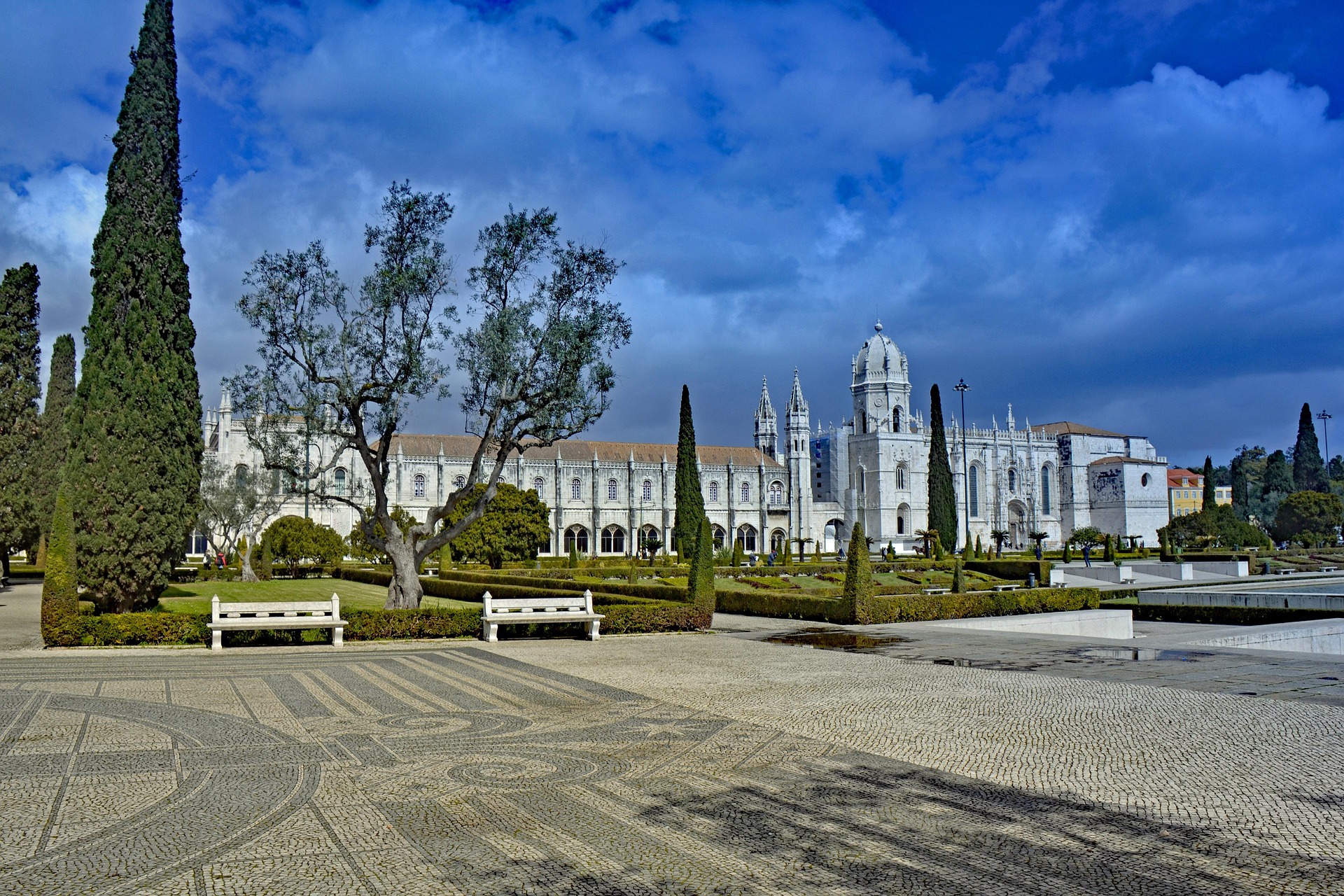
Alfama feels like a medieval village trapped in time. Baixa feels structured and geometric, rebuilt after the 1755 earthquake. Bairro Alto transforms completely at night. Príncipe Real feels modern and residential. Belém feels open, monumental, and separate from the city core.
Because of this, “Lisbon” is not one consistent experience — it is several micro-cities stitched together across hills and valleys.
Understanding this helps you plan smarter. Instead of trying to “see Lisbon,” you should think in terms of exploring 2–3 neighbourhoods per day.
👉 Learn more: Things Lisbon Is Famous For
The hills define everything you do in Lisbon
Lisbon’s geography is not a detail — it is the structure of the entire city experience.
The city is built across seven major hills, which means elevation changes are constant. What looks like a 10-minute walk on a map can easily turn into a 20–30 minute journey depending on direction and incline.
This affects:
- how you choose accommodation
- how you plan sightseeing routes
- how quickly you get tired
- how often you rely on transport
Many first-time visitors underestimate this and spend their first day exhausted. The solution is not to walk less — but to plan smarter routes, often prioritising downhill walks and mixing transport with walking instead of relying on foot travel alone.
Once you accept the hills as part of the experience rather than an obstacle, Lisbon becomes significantly more enjoyable.
The best time to visit depends on what you want
Lisbon is a year-round destination, but each season creates a different version of the city.
Spring is one of the most balanced times to visit. Temperatures are warm but not overwhelming, flowers are blooming, and tourist density is manageable.
Summer brings long days and a vibrant atmosphere, but also intense heat and heavy crowds in central areas, especially around sunset viewpoints and major attractions.
Autumn is often considered the “sweet spot,” with warm sea temperatures, fewer crowds, and more relaxed sightseeing conditions.
Winter is quieter and more local, offering lower prices and a slower pace, though weather can be unpredictable.
👉 Find out more: Why Has Lisbon Become So Popular?
Lisbon has grown rapidly in popularity
Over the past decade, Lisbon has become one of Europe’s fastest-growing tourism cities.
This growth has had clear effects:
- more international restaurants and cafés
- improved transport and infrastructure
- a stronger tourism economy
But also:
- rising hotel prices
- crowded historic districts
- more commercialised central zones
This is important because it changes how you should plan your trip. Central Lisbon is still beautiful, but it is no longer “undiscovered.”
Don’t try to see everything
One of the most common mistakes visitors make is overplanning.
Lisbon rewards slower travel. The city is not about ticking off landmarks — it is about experiencing neighbourhoods, viewpoints, cafés, and small moments between attractions.
A packed itinerary often leads to:
- exhaustion from hills
- rushed sightseeing
- missing the atmosphere of the city
A better strategy is to structure your days around neighbourhoods instead of attractions.
👉 Wondering wether Lisbon is safe or not? Read my post: Is Lisbon Safe for Tourists? (Complete Safety Guide)
2. Where to Stay in Lisbon
Choosing the right area matters more than choosing the right hotel
Accommodation in Lisbon is less about luxury level and more about location strategy.
Because the city is spread across hills, staying in the wrong area can mean unnecessary transport time and fatigue.
Baixa & Chiado: best for first-time visitors
These central districts are the most convenient base for short stays.
They offer:
- flat, walkable streets (rare in Lisbon)
- direct metro access
- proximity to major attractions
- easy orientation for first-time visitors
The downside is that these areas can feel busy and heavily touristic, especially in peak season.
Alfama: atmosphere over convenience
Alfama is Lisbon’s oldest district, full of narrow alleys, viewpoints, and traditional architecture.
It is one of the most atmospheric areas in the city, but also:
- very steep
- harder to navigate with luggage
- less connected to metro lines
It suits travellers who prioritise experience over convenience.
Bairro Alto: nightlife and energy
Bairro Alto is quiet during the day but becomes one of Lisbon’s main nightlife hubs after dark.
Expect:
- bars opening into the streets
- loud social energy at night
- quieter mornings
It is ideal for younger travellers or those prioritising nightlife.
Príncipe Real: balanced and local feel
Príncipe Real is increasingly popular with longer-stay visitors and digital nomads.
It offers:
- cafés and boutique shops
- residential calm
- good access to central Lisbon
- a more authentic daily rhythm
Booking strategy
In Lisbon, location often matters more than hotel category. A well-located mid-range hotel usually delivers a better experience than a luxury hotel in a poorly connected area.
3. Getting Around Lisbon
Transport in Lisbon is simple — once you understand the layers
Lisbon’s transport system looks complex at first, but it is actually built around a few core elements: metro, trams, buses, trains, and ride apps.
The challenge is not complexity — it is fragmentation.
Metro: fastest and most reliable option
The metro is the backbone of Lisbon transport.
It is:
- fast
- inexpensive
- easy to navigate
- ideal for airport transfers
However, it does not reach all historic neighbourhoods directly, which is why it must be combined with walking or other transport.
Trams: iconic but not essential
Lisbon’s trams are one of the city’s most recognisable features, but they are not always practical for daily transport.
Tram 28 is particularly famous, but it is also:
- extremely crowded
- slow in peak hours
- often used more as an attraction than transport
It is worth experiencing once, but not relying on for mobility.
Train stations: essential for day trips
One of the most confusing aspects for visitors is that Lisbon has multiple train stations instead of one central hub.
Each station serves different destinations:
- Rossio → Sintra
- Cais do Sodré → Cascais
- Oriente → long-distance routes
- Santa Apolónia → northern Portugal
Understanding this avoids major confusion when planning day trips.
👉 Explore further: Lisbon’s Train Stations and Where They Go
Ride apps are extremely practical
Uber and Bolt are widely used in Lisbon and are often cheaper and more predictable than traditional taxis.
They are especially useful for:
- airport transfers
- late-night returns
- steep uphill journeys
Walking is essential — but must be strategic
Walking is one of the best ways to experience Lisbon, but it must be planned carefully due to elevation.
Key principle:
The shortest route is not always the easiest route.
Sometimes a longer flat walk is significantly easier than a shorter steep climb.
👉 Thinking of renting a car? Check out my guide.
4. Safety, Scams & Tourist Mistakes
Lisbon is safe — but not risk-free
Lisbon is considered one of Europe’s safer capitals. Serious crime is rare, but minor opportunistic issues can occur in tourist-heavy areas.
Pickpocketing in crowded zones
The most common issue is opportunistic theft in:
- crowded trams
- viewpoints at sunset
- busy pedestrian streets
Basic awareness is usually enough to avoid problems.
Tourist traps exist in predictable areas
Some of Lisbon’s most visited locations are also the most commercialised.
This doesn’t mean they are bad — but expectations should be adjusted accordingly.
👉 Discover more: Navigating Lisbon’s Tourist Traps
👉 Still not sure? Read: Things to Be Careful of in Lisbon: A Guide for Tourists
Restaurant location matters more than menus
A key rule in Lisbon:
If a restaurant is directly next to a major tourist landmark, it is often not the best quality option.
Walking a few streets away usually leads to better food and better prices.
Neighbourhood awareness is helpful, not restrictive
Most of Lisbon is safe to visit at all times, but like any major city, conditions vary depending on time of day and area density.
👉 One of the questions I hear most often is answered here: Neighbourhoods to Avoid in Lisbon
5. Food, Culture & Local Life
Lisbon is a city of contrasts
One of the most defining characteristics of Lisbon is contrast.
You will see:
- modern architecture next to historic ruins
- luxury cafés beside traditional bakeries
- renovated streets next to weathered façades
This contrast is not a flaw — it is part of the city’s identity.
👉 I’ve written a dedicated guide on this here: Why Lisbon Appears Run Down
Street art is part of the city identity
Lisbon has a strong street art culture that reflects social, political, and artistic expression.
👉 This tends to surprise first-time visitors: Why Is There So Much Graffiti in Lisbon?
Food is deeply localised
Some of the best food in Lisbon is not in central areas, but in neighbourhood cafés and small local restaurants.
Lisbon’s cultural rhythm is slower
Meals are social events, cafés are gathering places, and daily life moves at a more relaxed pace than many major European cities.
What Lisbon is known for
Lisbon’s identity combines history, food, architecture, and cultural traditions.
👉 Dive deeper: Things Lisbon Is Famous For
6. What Most Tourists Get Wrong
Trying to see too much in too little time
One of the most common mistakes visitors make in Lisbon is treating the city like a checklist destination. They arrive with a tight itinerary: Alfama in the morning, Belém after lunch, Bairro Alto at night, plus viewpoints in between. On paper, this looks efficient. In reality, it leads to exhaustion.
Lisbon is not designed for high-speed sightseeing. The combination of hills, cobblestones, and fragmented neighbourhoods means travel time is often longer than expected. Even more importantly, the city’s charm is not concentrated in landmarks — it exists in transitions between places, in small streets, cafés, and viewpoints you stumble across.
A slower approach almost always results in a better trip: fewer attractions per day, more time in each neighbourhood, and built-in pauses for food, rest, and observation.
Staying in only one neighbourhood
Many first-time visitors choose one base (often Baixa or Chiado) and stay there exclusively for their entire trip. While this is convenient, it limits your understanding of the city.
Lisbon changes dramatically from one district to another. Alfama feels medieval and chaotic. Príncipe Real feels residential and modern. Belém feels spacious and monument-focused. Bairro Alto shifts completely between day and night.
If you only stay in one area, you experience Lisbon through a narrow lens. Even simple changes — like having dinner in a different neighbourhood or walking home via a different route — can completely reshape your perception of the city.
Underestimating the effect of hills
Many visitors understand that Lisbon is “hilly,” but few understand how deeply this affects daily movement.
It is not just about fitness — it affects planning. A 400-metre walk can involve multiple staircases, steep inclines, and uneven pavements. This means energy management becomes part of your itinerary.
Experienced travellers in Lisbon naturally:
- choose downhill routes where possible
- combine walking with metro segments
- avoid unnecessary back-and-forth movement
Ignoring elevation leads to fatigue. Accounting for it makes the city significantly more enjoyable.
Over-relying on Tram 28
Tram 28 has become one of Lisbon’s most famous symbols, but its popularity has also changed its function. It is no longer primarily a transport route — it is a tourist experience.
The result is predictable:
- long queues
- packed carriages
- slow movement through narrow streets
Many visitors spend more time waiting for Tram 28 than actually enjoying the ride.
A better approach is to treat it as an optional experience rather than a core transport tool. Lisbon’s metro and walking routes are far more efficient for getting around.
Eating only in central tourist zones
Lisbon’s central squares — particularly around Baixa and major viewpoints — are filled with restaurants designed for convenience rather than quality.
This doesn’t mean they are all bad, but it does mean they are rarely the best representation of local food culture.
One of the simplest ways to improve your experience is to walk just 5–10 minutes away from major landmarks before choosing a restaurant. Prices drop, quality increases, and the atmosphere becomes noticeably more local.
This small adjustment often has one of the biggest impacts on trip satisfaction.
👉 Check out my 10 Essential Tips for First-Time Visitors to Lisbon

Insider Travel Tips
Start early to experience a different city
Lisbon changes dramatically depending on the time of day. Early mornings are often the most peaceful and atmospheric version of the city. Streets are quiet, light is softer, and major viewpoints are nearly empty.
Starting your sightseeing early allows you to experience iconic locations before crowds arrive. It also gives you flexibility later in the day when the city becomes busier and warmer.
Many experienced travellers use mornings for major sights and afternoons for slower neighbourhood exploration.
Plan around heat, not just distance
During warmer months, especially summer, heat becomes a major factor in how you experience Lisbon.
Midday temperatures can make walking between neighbourhoods tiring, particularly in areas with limited shade. Instead of treating the day as one continuous block of sightseeing, it is more effective to structure it in phases:
- morning exploration
- midday rest (cafés, museums, shaded areas)
- late afternoon and evening wandering
This rhythm aligns with how locals naturally move through the city in summer.
Use viewpoints strategically, not randomly
Lisbon’s viewpoints (miradouros) are among its most iconic features, but timing matters more than quantity.
Sunset viewpoints are often crowded and competitive, while early morning viewpoints are peaceful and far more immersive. Visiting the same viewpoint at different times of day can also create completely different experiences due to lighting and atmosphere.
Instead of trying to visit all viewpoints, it is better to choose a few and experience them properly.
Explore neighbourhood life, not just landmarks
Lisbon’s real character is not limited to monuments or famous streets. It is found in residential neighbourhood life — cafés where locals meet, small grocery shops, corner bakeries, and everyday routines.
Spending time in these areas gives a much more accurate sense of the city than moving only between tourist attractions. Even a simple activity like sitting in a neighbourhood café for an hour can become one of the most memorable parts of your trip.
Use pools, shade, and “pause points” in summer
In hot months, successful Lisbon trips are not just about what you see — but how well you manage recovery time.
Swimming pools, shaded parks, and air-conditioned cafés become essential parts of the travel experience. Planning intentional breaks prevents fatigue and makes sightseeing more enjoyable overall.
👉 Read the full guide: Best Swimming Pools in Lisbon
👉 Helpful resource: Cool Things to Do in Lisbon When It’s Too Hot
Expect the city to feel different at night
Lisbon has a strong day/night transformation. Some areas that feel quiet and residential during the day become lively at night, particularly Bairro Alto and parts of Cais do Sodré.
Understanding this helps you plan energy levels. A neighbourhood that feels underwhelming in the morning may become one of the most energetic parts of your evening.
Don’t rely only on guidebook highlights
Lisbon rewards curiosity. Some of the best experiences come from simple wandering rather than structured sightseeing.
Side streets, small viewpoints, local markets, and residential districts often provide more memorable experiences than major attractions alone.
👉 How to Experience Lisbon Like a Local (The Ultimate Insider Guide)
Tours & Experiences
Structured experiences can add depth to your trip, especially if your time in Lisbon is limited.
They also help you access experiences that are harder to organise independently.
Day trips and cultural tours
Lisbon is surrounded by highly accessible destinations, and organised tours make them easy to reach without planning logistics.
Popular options include:
- Sintra palaces and forest tours
- Cascais coastal excursions
- wine and food tasting tours
- historical walking tours through central districts
👉 See top-rated Lisbon experiences
Evening experiences
Lisbon’s evenings are as important as its daytime sightseeing.
Cultural experiences like Fado performances or sunset river cruises offer a different perspective of the city and are often highlights of a trip.
These experiences also help balance active sightseeing days with more relaxed evenings.
Food-focused experiences
Food tours are particularly useful in Lisbon because they provide context for local cuisine, introduce lesser-known dishes, and guide you to areas you might not explore independently.
They also help travellers avoid tourist-heavy dining zones while still experiencing authentic food culture.
❓FAQs
❓How many days do you need in Lisbon?
Most travellers benefit from 3–5 days in Lisbon itself. This allows enough time to explore multiple neighbourhoods, visit key viewpoints, and take at least one day trip. Shorter stays are possible but often feel rushed due to the city’s spread-out structure and hills.
❓Is Lisbon walkable?
Yes, Lisbon is very walkable — but it is not flat. The city’s hills significantly affect walking speed and effort. Many visitors underestimate how physically demanding it can be. The best approach is to combine walking with metro or tram segments and plan routes carefully rather than relying on direct point-to-point walking.
❓Do you need a car in Lisbon?
No. A car is unnecessary for most visitors and can actually make travel more difficult due to narrow streets, limited parking, and traffic restrictions in central areas. Public transport, ride apps, and walking are more efficient for city exploration.
❓Is Lisbon expensive?
Lisbon is no longer a “budget capital,” but it remains more affordable than many Western European cities. Accommodation prices have risen significantly in popular areas, while food and transport remain relatively moderate if you avoid tourist-heavy zones.
❓What is Lisbon famous for?
Lisbon is known for its trams, viewpoints, historic neighbourhoods, tiled architecture, seafood culture, and Fado music. However, its true identity is broader — it is a city defined by contrasts between old and new, local and tourist, traditional and modern.
❓What is the best area to stay in Lisbon?
For first-time visitors, Baixa or Chiado are the most practical choices due to central location and transport access. For atmosphere, Alfama is popular, while Príncipe Real offers a more balanced and local-feeling alternative.
Final Thoughts
Lisbon is not a city that reveals itself immediately. It is layered, uneven, and shaped as much by geography as by history or culture.
Once you understand its structure — neighbourhoods instead of a single centre, hills instead of flat distance, and rhythm instead of rigid scheduling — the entire city becomes easier to navigate and significantly more enjoyable.
This guide is designed to give you that foundation.
From here, the real value comes from exploring the deeper guides linked throughout this page — each one focusing on a specific part of Lisbon in more detail.
Used together, they turn a simple trip into a far more informed and rewarding experience of the city.
If there’s one thing I’d leave you with, it’s this: Lisbon tends to reward people who slow down a bit.
Most of the visitors I’ve spent time with here don’t end up loving the city because they ticked off every landmark — they enjoy it because they gave themselves time to wander, sit in neighbourhood cafés, take unexpected detours, and let the city feel a bit more natural rather than structured.
You don’t need a perfect itinerary here. In fact, Lisbon is usually better when it’s slightly flexible.
If you use this guide as your starting point and then dive into the more detailed articles linked throughout, you’ll get a much clearer sense of how the city fits together — and hopefully avoid a few of the common frustrations people run into on their first visit.
And if you’re planning your trip, I genuinely hope you enjoy it. It’s a city that has a way of growing on people once you’ve spent a bit of real time in it.
About the author
I’m Duncan, a Lisbon-based guide and writer who’s lived here for 11 years and taken hundreds of visitors around the city. I created Lisbon Listicles to share everything you need to know about Lisbon in clear, practical lists — from iconic sights to hidden gems — so you can plan your trip easily and make the most of your time here.
All recommendations are based on personal experience and the questions I hear most often from visitors.
Leave a Reply