Disclosure: Some links in this article are affiliate links. If you book through them, I may earn a small commission at no extra cost to you. I only recommend places and experiences I genuinely think are worth it.
Walking through Lisbon, it’s hard to miss the graffiti—from colorful murals in quiet neighborhoods to tags along busy streets. Over time, I started noticing patterns, styles, and areas where street art really tells a story about the city. This post looks at why Lisbon has so much graffiti, what it reflects about local culture, and how it has become part of the city’s identity.
Graffiti In Lisbon
Graffiti in Lisbon is impossible to ignore. Wander through almost any neighborhood, and you’ll find walls bursting with color, bold murals tucked into narrow alleys, and messages spray-painted on hidden corners. For some, it’s art. For others, it’s vandalism. But there’s no denying that graffiti has become part of Lisbon’s identity.
In this ultimate guide, we’ll explore why Lisbon has so much graffiti, the difference between vandalism and street art, the political role behind it, and the best places to see it. We’ll also share tours, neighborhoods, and tips so you can experience this creative side of the city for yourself.
The Roots of Graffiti in Lisbon
Lisbon’s graffiti culture didn’t appear overnight. Its rise is connected to the city’s history, politics, and economic changes.
In the 1970s, after Portugal’s Carnation Revolution, walls became canvases for political slogans and protest art.
By the 1990s, international street art influences had spread to Lisbon, with local artists experimenting with murals and tags.
In the 2000s, Lisbon authorities began inviting artists to decorate walls, turning a once-controversial practice into a celebrated form of public art.
This blend of grassroots rebellion and city-backed projects has shaped Lisbon into one of the street art capitals of Europe.

Why Is There So Much Graffiti In Lisbon?
1. Urban Art: Lisbon’s Open-Air Gallery
Unlike many cities, Lisbon embraces urban art. Some walls are officially commissioned projects, designed to beautify old or abandoned buildings. These murals are often massive in scale, covering entire façades.
Famous examples include:
Bordalo II – Known for his “Big Trash Animals,” sculptures made from recycled materials that highlight sustainability.
Vhils – A Portuguese artist who carves portraits into walls, creating striking, textured murals.
Underdogs Gallery Projects – Supporting both local and international artists who transform Lisbon’s streets.
These works have helped transform neglected neighborhoods into destinations for art lovers. Lisbon is now seen as an open-air museum of street art. I’ve noticed murals pop up in different neighborhoods.
👉 Fans of urban art can also visit the Underdogs Gallery, a hub for Lisbon’s contemporary artists.
2. Political Expression: Walls with a Message
Many murals go beyond aesthetics—they are social and political commentaries.
Some highlight Lisbon’s housing crisis and gentrification, criticizing rising rents.
Others promote environmental awareness, urging sustainability.
Political protests often leave their mark through graffiti, echoing the struggles of everyday residents.
This makes Lisbon’s graffiti more than decoration; it’s a living diary of the city’s challenges and hopes.
3. Vandalism vs. Street Art
Of course, not all graffiti is art. Lisbon still struggles with tags, scribbles, and vandalism in public spaces. Metro stations and monuments are frequent targets, frustrating residents who want cleaner urban spaces.
The city has adopted a middle-ground strategy:
Supporting large-scale murals by recognized artists.
Cleaning up low-value vandalism that damages heritage areas.
This balance is part of why Lisbon stands out: it manages to celebrate creativity while keeping its historic charm.
4. Where to See the Best Graffiti in Lisbon
If you’re visiting, here’s a breakdown of the top neighborhoods and spots for graffiti and street art:
🎨 Alfama
Lisbon’s oldest neighborhood, full of winding alleys where small-scale political graffiti blends with traditional azulejos (tiles).
Known for nightlife, it also boasts bold murals and edgy underground graffiti.
🎨 Mouraria
Culturally diverse and historic, where street art often tells stories of immigration and Fado traditions.
🎨 Marvila
An up-and-coming district with huge commissioned works and warehouse murals.
A hotspot where local artists display their best work—like an evolving outdoor gallery.
🎨 Graça
Graça is full of vibrant murals and hidden graffiti gems, making it a must-visit neighborhood for street art lovers. The style ranges from small tags to commissioned murals.
The ultimate creative hub, filled with murals, galleries, cafés, and boutique shops.
5. LX Factory: Lisbon’s Street Art Playground
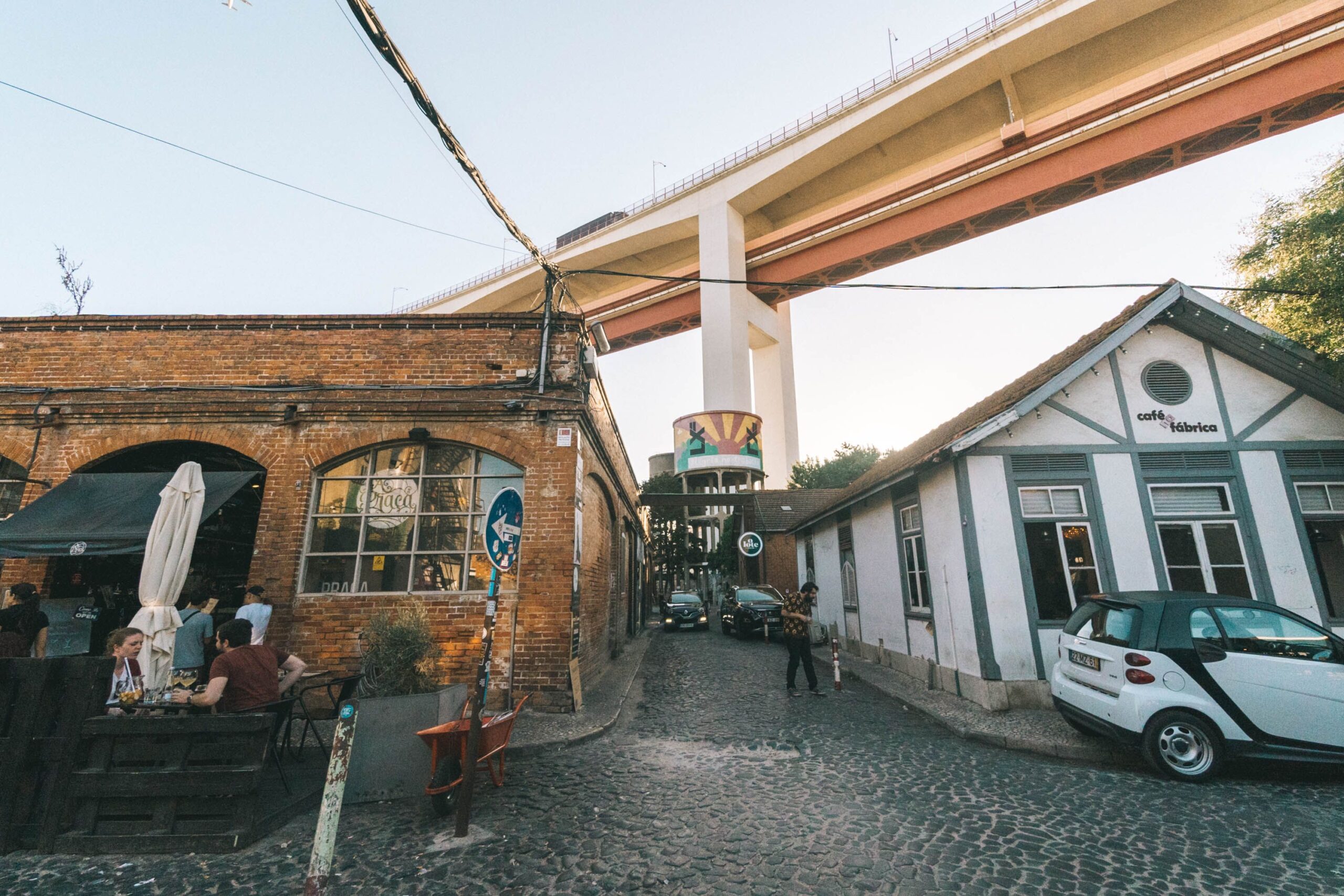
No article about Lisbon graffiti would be complete without LX Factory. Located in Alcântara, this former industrial space is now one of the city’s trendiest cultural hubs.
Here you’ll find:
Towering murals by international artists.
Quirky cafés surrounded by colorful walls.
Live events, pop-ups, and creative studios.
The LX Factory is perfect for those who want to enjoy street art while shopping, dining, or just hanging out.
6. Beyond Graffiti: Street Art Tours & Experiences
If you’re serious about experiencing Lisbon’s graffiti, joining a guided tour is the best way to understand the meaning behind the murals. Some popular options include:
👉 Walking Street Art Tour – Explore hidden alleys and learn from locals.
👉 Street Art Tour – Perfect for creatives who want to improve photography while discovering murals.
👉 Bike or Tuk-Tuk Street Art Tour – A unique, faster way to see more in less time.
👉 Graffiti Workshops – Some tours even let you try spray-painting yourself, guided by local artists.
👉 You can find and book these experiences easily on Viator or GetYourGuide.
7. Is Graffiti Art or Vandalism?
Not all graffiti is considered art by everyone. The debate will always exist. But in Lisbon, graffiti has shifted from being seen as nuisance to being recognized as cultural heritage. The fact that tourists flock to see murals, and that artists like Bordalo II and Vhils are internationally renowned, shows just how far Lisbon has come.
Street art here is not static—it evolves constantly, reflecting the city’s pulse. Every time you visit Lisbon, you’ll likely see something new.
8. Practical Tips for Exploring Lisbon Graffiti
Best time of day: Morning or late afternoon for good light (great for photos).
What to wear: Comfortable shoes—many areas are steep and cobblestoned.
Combine activities: Explore street art alongside food tours or Fado nights for a richer cultural experience.
Stay central: Book a hotel in Bairro Alto or Alfama for easy access to both graffiti hotspots and historic sites.

❓ FAQ: Lisbon Graffiti
❓1: Is graffiti legal in Lisbon?
Answer: Only officially commissioned murals or street art in designated areas are legal. Unauthorized tags are considered vandalism. Guided tours often focus on legal and notable pieces.
❓2: Where is the most famous graffiti in Lisbon?
Answer: Popular spots include LX Factory, Marvila, and the Amoreiras Wall of Fame. Street art tours will also show hidden gems you won’t find on your own.
❓3: Can I join a graffiti workshop in Lisbon?
Answer: Yes! Some tours on Viator or GetYourGuide offer hands-on workshops where you can learn spray-paint techniques from local artists.
❓4: How do I find street art tours in Lisbon?
Answer: The easiest way is to book through Viator or GetYourGuide, offering walking, bike, and photography-focused tours.
❓5: What neighborhoods are best for graffiti photography?
Answer: Alfama and Bairro Alto for alleyway murals, Marvila for large-scale industrial works, and LX Factory for vibrant and colorful backdrops.
❓6: Can I combine street art with sightseeing?
Answer: Absolutely! Many tours include local cafés, historical streets, and cultural experiences like Fado music or Portuguese cuisine.
Final Thoughts
Graffiti in Lisbon is more than spray paint—it’s history, activism, and creativity written across the city’s walls. Whether you’re wandering Alfama’s alleys, snapping murals in Mouraria, or exploring LX Factory, every piece tells part of Lisbon’s story. Observing it closely reveals the layers of creativity, commentary, and local identity that make Lisbon feel so unique.
To truly understand this art form, don’t just admire it from afar—join a street art tour, talk to guides, and immerse yourself in Lisbon’s urban culture. You’ll leave with photos, insights, and maybe even a new perspective on what graffiti really means.
👉 Ready to experience it?
About the author
I’m Duncan, a Lisbon-based guide and writer who’s lived here for 11 years and taken hundreds of visitors around the city. I created Lisbon Listicles to share everything you need to know about Lisbon in clear, practical lists — from iconic sights to hidden gems — so you can plan your trip easily and make the most of your time here.
All recommendations are based on personal experience and the questions I hear most often from visitors.
Leave a Reply