Disclosure: Some links in this article are affiliate links. If you book through them, I may earn a small commission at no extra cost to you. I only recommend places and experiences I genuinely think are worth it.
리스본 자유여행 가이드: 2026년 한국인 관광객이 리스본에서 꼭 알아야 할 25가지
If you’re planning your first trip to Portugal, there’s a good chance Lisbon will be one of the places you’re most excited about.
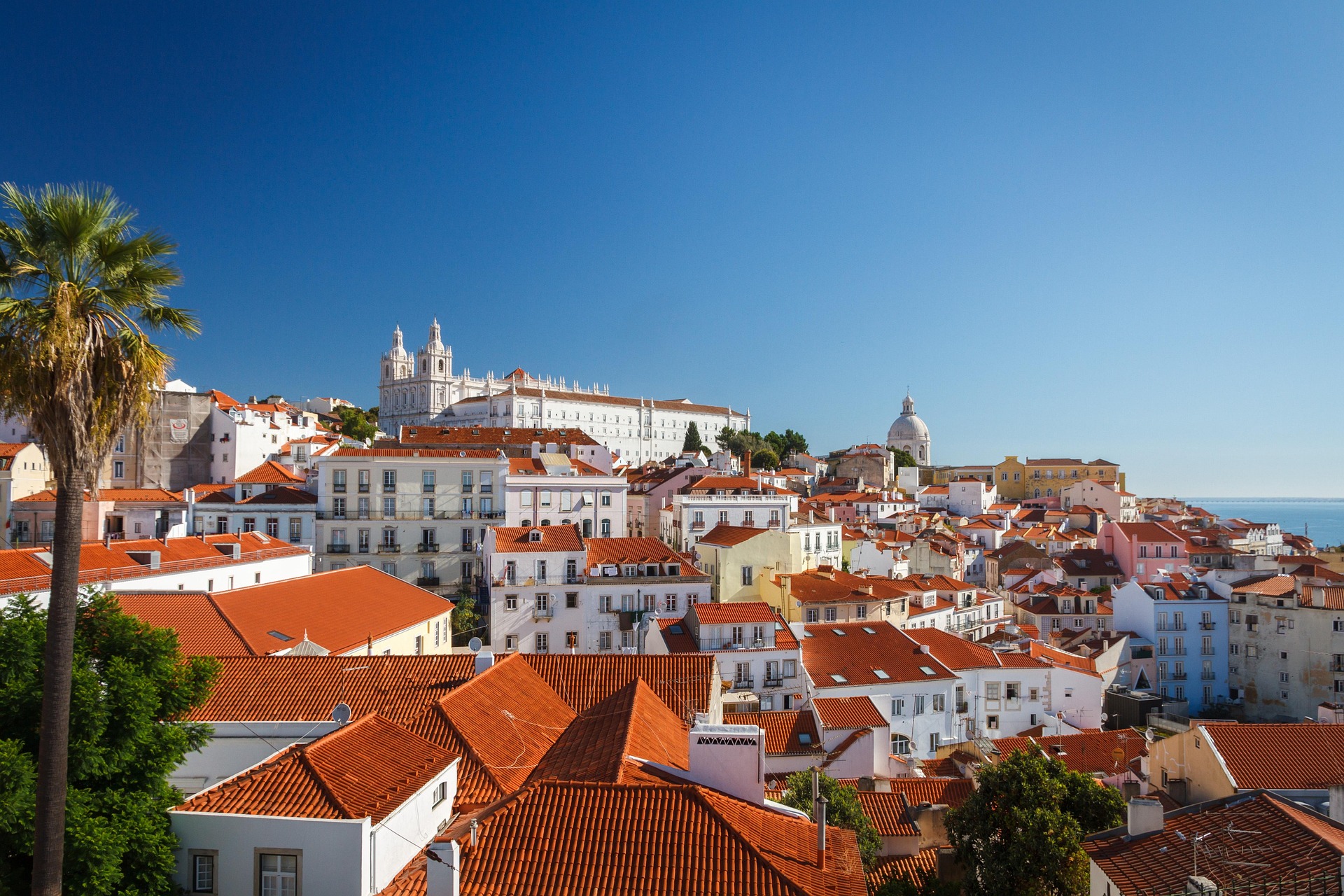
With its colourful tiled buildings, historic trams, beautiful viewpoints, Atlantic light, excellent food and slightly faded old-world charm, Lisbon is unlike almost anywhere else in Europe.
But if you’re travelling from South Korea, there are also a few things about Lisbon that are useful to know before you arrive.
The transport system is different from Seoul. Portuguese meal times can take some getting used to. Lisbon is considerably hillier than photographs make it appear. Some of the things that look straightforward on Google Maps can involve steep streets, cobblestones and stairs.
And then there are the things you don’t necessarily discover until you’re already here.
I’ve lived in Lisbon for several years and also worked as a tour guide, so I’ve spent a lot of time helping visitors understand how the city actually works rather than simply pointing them towards the famous sights.
That’s what I want this guide to do.
This isn’t intended to be another generic list of “things to do in Lisbon.”
Instead, I’ve put together 20 practical things Korean travellers should know before visiting Lisbon, including where to stay, how to get from Lisbon Airport, how to visit Sintra, what Portuguese food is really like, how to use public transport, where to find the best views and what I would personally prioritise if this were my first trip.
I’ve also included Korean search terms throughout the guide — including 리스본 여행, 리스본 자유여행, 리스본 관광지, 리스본 숙소 and 리스본 맛집 — so Korean readers can easily identify the information most relevant to them.
So, let’s get started.
👉 For more tips and travel hacks in Lisbon, see my full post.

Lisbon for Korean Travellers: 20 Things to Know Before Visiting (2026 Guide)
1. Lisbon Is Absolutely Worth Visiting 🇵🇹 | 리스본 여행
Let’s begin with the obvious question:
Is Lisbon worth travelling all the way from South Korea to visit?
My answer is a very enthusiastic yes.
Lisbon has something that is becoming increasingly difficult to find in Europe’s most famous capitals: it still feels like a real city rather than one enormous tourist attraction.
You can spend the morning exploring centuries-old streets in Alfama, have lunch in a tiny neighbourhood restaurant, ride a historic tram, admire the Tagus from a hilltop viewpoint and then spend your evening listening to fado.
And you can do all of that without needing to travel huge distances between attractions.
For Korean travellers, Lisbon also works particularly well as part of a wider Portugal 여행 or European itinerary.
You can combine it with Porto, Sintra, Cascais and other Portuguese destinations, or use Lisbon as your base for exploring the surrounding area.
One thing I particularly love about Lisbon is that it rewards curiosity.
The famous attractions are worth seeing, but some of my favourite moments in the city have involved simply turning down a street because the buildings looked interesting.
🇰🇷 한국인 여행자를 위한 팁
If this is your first 리스본 여행, don’t try to compare Lisbon directly with Seoul.
Seoul is fast, efficient, modern and enormous.
Lisbon is slower, older, smaller and considerably less predictable.
That’s not a criticism.
It’s part of the experience.
Give yourself permission to slow down a little.
2. Lisbon Is Much Hillier Than You Think | 리스본 관광 팁
If you take only one piece of advice from this article, let it be this:
Bring comfortable shoes.
Seriously.
Lisbon looks relatively compact on a map, and distances between attractions can sometimes appear very short.
But the city is built across several hills.
You may walk down one street and suddenly find yourself climbing another.
Then there are the famous Portuguese calçada pavements — small pieces of stone arranged into decorative patterns.
They’re beautiful.
They’re also not always the easiest surface to walk on.
This becomes particularly noticeable in Alfama, Bairro Alto and around some of Lisbon’s viewpoints.
And if you’re visiting during summer, walking uphill under the sun can become surprisingly tiring.
This is one reason I don’t recommend planning a Lisbon itinerary that has you crossing the city every hour.
Group attractions together geographically.
For example:
Baixa + Chiado + Alfama work well together.
Belém deserves its own section of the day.
And Sintra deserves an entire day if you can spare it.
🇰🇷 한국인 여행자를 위한 팁
If you’re travelling with parents, young children or anyone who has difficulty walking, take Lisbon’s hills seriously when choosing your 리스본 숙소.
A hotel with a slightly less spectacular view but an easier location can make a huge difference.
I’d much rather walk five minutes on a relatively flat street than drag a suitcase up a steep cobbled hill.
3. Choose Your Lisbon Neighbourhood Carefully | 리스본 숙소 추천
Where you stay can completely change your experience of Lisbon.
And this is one area where I wouldn’t simply choose the cheapest hotel you can find.
For a first visit, I’d particularly look at:
The historic central district.
Excellent for first-time visitors who want to be close to major attractions and public transport.
Central, elegant and packed with cafés, shops and restaurants.
A great all-round choice.
One of Lisbon’s grandest boulevards.
Particularly good if you’re looking for upmarket hotels and luxury accommodation.
A little more residential and fashionable, with independent shops, restaurants and a nice atmosphere.
Beautiful and historic, but considerably hillier.
Wonderful for atmosphere, less convenient if you have heavy luggage.
Excellent for nightlife, but potentially noisy.
This is important.
A hotel might have fantastic reviews for its location, but if you’re staying directly above a bar and you’re a light sleeper, you might not feel quite as enthusiastic at 2 a.m.
For most first-time Korean visitors, I’d personally start by looking at Baixa or Chiado.
👉 Compare Lisbon hotels by neighbourhood before booking, rather than simply sorting by the lowest price.
4. Lisbon Airport Is Convenient — But Plan Your Arrival | 리스본 공항
Your first experience of Lisbon will probably be Lisbon Airport (Aeroporto Humberto Delgado).
The airport is relatively close to the city centre, which is a major advantage.
You have several options for getting into Lisbon, including:
- Metro
- Taxi
- Ride-hailing services
- Private airport transfers
- Other public transport options
For independent travellers travelling light, the Metro can be a very practical choice.
If you’re arriving after a long flight from South Korea, however, don’t feel guilty about choosing convenience.
If you’re exhausted, carrying multiple suitcases and travelling with family, a pre-arranged transfer can be worth the additional cost.
There’s nothing particularly heroic about dragging three suitcases through unfamiliar public transport because you wanted to save a few euros.
🇰🇷 한국인 여행자를 위한 팁
Before leaving Korea, make sure you know:
Where your hotel is
Which neighbourhood it is in
How you’ll get there from the airport
Whether your accommodation has late check-in
Save the hotel address somewhere you can access without an internet connection.
You may have Wi-Fi or mobile data, but having the address available offline is a simple backup.
And don’t assume that the hotel entrance will always be obvious from the street.
Some Lisbon buildings are old, narrow and surprisingly easy to walk past.
5. Portuguese Time Is a Little Different | 포르투갈 여행 팁
One of the cultural adjustments you may notice during 포르투갈 리스본 여행 is the timing of meals.
Portuguese people often eat later than many Korean visitors might expect.
Lunch is commonly around midday to early afternoon, while dinner can easily begin at 7:30, 8:00 or later.
That doesn’t mean you can’t eat earlier.
Tourist-heavy areas have restaurants catering to international visitors.
But if you want to experience Lisbon more like a local, don’t be surprised if the restaurant you’re interested in is much busier at 8:30 p.m. than at 6 p.m.
There’s also a broader difference in pace.
A Portuguese meal isn’t necessarily something to rush through.
You may sit at the table longer.
Coffee can be a short ritual rather than a huge drink.
And service can feel slower than what you may be accustomed to in South Korea.
Don’t automatically interpret this as bad service.
Sometimes the meal simply isn’t supposed to be rushed.
🇰🇷 한국인 여행자를 위한 팁
If you have tickets for an evening activity such as fado, leave enough time between dinner and the performance.
Lisbon restaurants don’t always operate at the speed of a fast-paced city.
Give yourself a little breathing room.
6. Learn a Few Portuguese Words | 리스본 자유여행 필수 팁
You absolutely don’t need to speak Portuguese to enjoy Lisbon.
English is widely spoken in tourist areas, hotels, restaurants and attractions.
But learning a few words can make interactions warmer.
Try:
Olá — Hello
Bom dia — Good morning
Boa tarde — Good afternoon
Obrigado — Thank you (said by a man)
Obrigada — Thank you (said by a woman)
Por favor — Please
Desculpe — Sorry / Excuse me
Sim — Yes
Não — No
You don’t need perfect pronunciation.
Even attempting a little Portuguese is usually appreciated.
And there’s a fun difference between knowing what something means and actually hearing Portuguese spoken.
It has a distinctive rhythm that you’ll quickly start recognising once you’re here.
🇰🇷 한국인 여행자를 위한 팁
Don’t worry if your Portuguese pronunciation isn’t perfect.
A simple “Bom dia” when entering a small café or “Obrigado/Obrigada” when leaving is enough.
You don’t need to become fluent for a four-day holiday.
7. Public Transport Is Useful — But Don’t Expect Seoul | 리스본 교통
If you’re coming from Seoul, Lisbon’s public transport system may initially feel… different.
And that’s putting it politely.
😂
Seoul has one of the world’s great urban transport networks.
Lisbon’s system is much smaller and older.
But it works.
You’ll find:
- Metro
- Buses
- Trams
- Trains
- Elevators and funiculars
- Ferries across the Tagus
The Metro is particularly useful for longer journeys around the city.
The historic trams are also part of the Lisbon experience.
But here’s the important distinction:
A tram can be both public transport and a tourist attraction.
The most famous example is Tram 28.
And that’s where things get interesting.
8. Tram 28 Is Famous for a Reason — But It Isn’t a Theme Park | 28번 트램
You’ve probably seen photographs of Lisbon’s famous yellow Tram 28.
It winds through some of the city’s most atmospheric historic neighbourhoods and has become one of the symbols of Lisbon.
Yes, you should experience it.
But don’t make the mistake of thinking it’s essentially a sightseeing bus.
It’s still public transport.
That means locals use it to get around.
It can also become extremely crowded.
Pickpocketing can be an issue on crowded tourist transport, so keep your phone and valuables secure.
If you’re hoping to photograph the tram, remember that you’re in a functioning city.
Don’t stand in the road to get the perfect photograph.
And don’t block the tram tracks.
Lisbon’s trams are charming.
They’re also large, heavy vehicles.
🇰🇷 한국인 여행자를 위한 팁
If Tram 28 is packed, don’t feel that your Lisbon trip is ruined.
There are other ways to explore Alfama and Lisbon’s historic centre.
Sometimes walking a little further and taking a less crowded route will give you a much better experience.
9. Alfama Is the Lisbon You Probably Imagined | 알파마 / 리스본 관광지
If you have seen photographs of Lisbon before travelling, there’s a good chance many of them were taken in Alfama.
This is the city’s oldest and one of its most atmospheric neighbourhoods.
You’ll find:
- Narrow lanes
- Stone staircases
- Traditional houses
- Colourful tiles
- Laundry hanging from balconies
- Small squares
- Churches
- Viewpoints overlooking the Tagus
This is where I recommend putting your map away occasionally.
Yes, you’ll get lost.
That’s okay.
In fact, getting slightly lost in Alfama is part of the fun.
Just remember that “slightly lost” and “completely lost at midnight with 2% phone battery” are two different things.
Explore during the day, keep your bearings and remember that the neighbourhood is extremely hilly.
Alfama is also closely associated with fado, so it’s a natural place to experience the music in the evening.
🇰🇷 한국인 여행자를 위한 팁
If you’re looking for beautiful photographs, Alfama is one of the best places in Lisbon.
But don’t photograph people without permission, particularly residents going about their everyday lives.
Remember that these streets aren’t an open-air film set.
People actually live here.
10. The Best Lisbon Views Are Free | 리스본 가볼만한곳
One of the things I love most about Lisbon is that some of its best attractions cost absolutely nothing.
The city’s miradouros, or viewpoints, are a perfect example.
Because Lisbon is built across hills, you repeatedly reach places where the city suddenly opens up beneath you.
You’ll see red rooftops, church towers, narrow streets and the enormous expanse of the Tagus.
Some viewpoints worth knowing include:
Miradouro da Senhora do Monte
One of the best panoramic views across Lisbon.
Miradouro de São Pedro de Alcântara
Conveniently positioned near Bairro Alto.
Miradouro de Santa Catarina
A popular place for sunset and river views.
Miradouro das Portas do Sol
One of Alfama’s classic viewpoints.
Miradouro de Santa Luzia
A particularly photogenic viewpoint with traditional Portuguese tiles.
You don’t need to visit every single one.
Choose a couple that fit naturally into your itinerary.
🇰🇷 한국인 여행자를 위한 팁
If you’re interested in photography, consider visiting one viewpoint early in the morning and another around sunset.
The light can completely change the appearance of the city.
And if you’re using a smartphone, you’ll find that Lisbon’s rooftops, trams and tiled façades make surprisingly good subjects without needing professional equipment.
11. Belém Is One of the Most Important Places to Understand Lisbon | 벨렝 / 리스본 관광지
If you’re researching 리스본 관광지 before your trip, you’ll almost certainly come across Belém.
And yes — you should go.
Belém sits west of central Lisbon along the Tagus and contains some of the monuments most closely associated with Portugal’s maritime history.
The main sights include:
- Jerónimos Monastery
- Belém Tower
- Monument to the Discoveries
- Maritime Museum
- MAAT
- Pastéis de Belém
The Jerónimos Monastery is particularly impressive. Even if you’re not normally someone who spends hours looking at architecture, the intricate stonework is worth seeing.
Then there’s Belém Tower, sitting beside the river.
It’s one of those Lisbon landmarks that looks almost too perfect in photographs.
But there’s more to Belém than taking photographs.
This is where I’d encourage Korean visitors to think about Portugal’s history on a much larger scale.
Portugal’s maritime expansion eventually connected the country with Africa, India, Southeast Asia and China.
That makes Belém particularly interesting for visitors from Asia.
🇰🇷 한국인 여행자를 위한 팁
Don’t make Belém a quick “take a photo and leave” stop.
If history interests you, allow enough time to actually explore one of the museums or monuments.
And remember that Belém is west of the main historic centre, so don’t try to squeeze it between several attractions on the other side of Lisbon.
Give yourself a proper half-day.
12. Portugal Has a Fascinating Connection With Asia | 포르투갈과 아시아의 역사
This is something I think deserves more attention in guides aimed at 한국인 여행자.
Portugal may look like a small European country at the western edge of the continent, but historically its connections stretched extraordinarily far.
Portuguese ships travelled along the African coast and into the Indian Ocean before reaching parts of Asia.
Portuguese merchants eventually became involved in trade with China, and Macau became one of the most significant places in the long history of Portuguese-Chinese relations.
You don’t need to turn your Lisbon holiday into a history degree.
But understanding this background can completely change how you see places such as Belém.
The monuments aren’t simply beautiful old buildings.
They represent a period when Portuguese ships were travelling enormous distances and creating new — and often complicated — connections between Europe, Africa and Asia.
It’s important to remember that this history isn’t simply a heroic story of exploration.
Portugal’s maritime expansion also involved colonialism, slavery, exploitation and profound cultural change.
A good understanding of Lisbon’s history should acknowledge both sides.
For Korean visitors interested in world history, this is one of the city’s more fascinating layers.
🇰🇷 한국인 여행자를 위한 팁
If you have extra time in Lisbon, consider visiting a museum rather than simply photographing the major monuments.
You’ll get much more from Belém if you understand why these places were built and what Portugal’s maritime expansion actually meant.
13. Sintra Is the Day Trip I Wouldn’t Skip | 리스본에서 신트라 가는 법
If you’re staying in Lisbon for at least three days, I’d seriously consider visiting Sintra.
In Korean searches, you’ll commonly find this as:
리스본에서 신트라
or:
리스본에서 신트라 가는 법
Sintra is close to Lisbon but feels like a completely different world.
The landscape becomes greener and more mountainous, with forests surrounding spectacular palaces and historic estates.
The most famous attraction is Pena Palace, with its colourful walls and dramatic hilltop location.
But Sintra also has:
- Quinta da Regaleira
- Moorish Castle
- Sintra National Palace
- Monserrate Palace
- Historic streets and gardens
And here’s my most important Sintra advice:
Don’t try to see everything.
I’ve seen visitors attempt to squeeze four or five major attractions into a single day.
Technically, perhaps you can.
But you’ll spend your day worrying about buses, queues and opening times rather than enjoying the place.
For a first visit, I’d choose one major palace plus one additional attraction, depending on your interests.
If you don’t want to deal with the logistics yourself, an organised day trip can be a very convenient option.
👉 Compare Lisbon-to-Sintra tours on GetYourGuide before travelling, especially if you’re visiting during a busy period.
🇰🇷 한국인 여행자를 위한 팁
Start early.
Sintra can become extremely busy, particularly around the most popular attractions.
And wear proper walking shoes.
The romantic photographs don’t show you all the uphill walking.
14. Portuguese Food Is Different — and That’s the Fun | 리스본 맛집 & 음식
One of the biggest pleasures of travelling is discovering food that you don’t normally eat at home.
And Portuguese cuisine has plenty to offer.
If you’re researching 리스본 맛집, you’ll probably encounter an enormous number of restaurant recommendations.
But before choosing a restaurant, I’d first learn a little about what you actually want to try.
Some Lisbon classics include:
Salt cod.
Portugal has an almost legendary relationship with bacalhau, and you’ll encounter it prepared in numerous ways.
A simple pork sandwich that’s particularly good for a quick and inexpensive meal.
The famous Portuguese custard tart.
Warm, flaky pastry with a creamy custard filling and caramelised top.
Caldo verde
A traditional soup made with potatoes and finely sliced greens.
Octopus, prepared in various ways.
Arroz de marisco
A rich, seafood-filled rice dish.
Don’t worry if you don’t recognise everything on a Portuguese menu.
That’s part of the adventure.
🇰🇷 한국인 여행자를 위한 팁
If you’re travelling with several people, order different dishes and share.
Portuguese portions can be generous, and sharing allows you to try much more.
Also, don’t be surprised if a restaurant automatically brings bread, olives or other small items to your table.
Check whether they’re charged before assuming they’re free.
15. Pastel de Nata Is Not Just a Souvenir | 에그타르트 / 파스텔 드 나타c
Let’s give Portugal’s most famous pastry its own section.
The pastel de nata is essentially a small Portuguese custard tart made with flaky pastry and baked until the top develops those characteristic darker patches.
You’ll find them everywhere.
Cafés.
Bakeries.
Restaurants.
Train stations.
Airports.
And, naturally, tourist areas.
You may also see people adding cinnamon or icing sugar.
Try it both ways and decide which you prefer.
One of the most famous places to try one is Pastéis de Belém, which claims a particularly strong historical connection to the original recipe.
But here’s my advice:
Don’t assume the most famous shop automatically means the best pastel de nata you’ll ever eat.
Lisbon has plenty of excellent bakeries.
If you see a busy neighbourhood bakery full of locals, it’s worth investigating.
And honestly, having a pastel de nata with a small Portuguese coffee in a local café is one of those simple experiences that can become a favourite memory.
🇰🇷 한국인 여행자를 위한 팁
If you love Korean 에그타르트, you may find the Portuguese version familiar but noticeably different.
The pastry is generally much flakier and the custard has its own distinctive flavour.
Try one fresh and warm if you can.
16. Lisbon’s Coffee Culture Is Simple but Excellent | 리스본 카페
If you’re coming from South Korea, there’s a good chance you already appreciate café culture.
Lisbon’s café culture is quite different from Seoul’s.
You won’t necessarily find enormous cafés designed for spending three hours working on a laptop.
Instead, Portuguese coffee can be a quick daily ritual.
A small espresso is often simply ordered, enjoyed and finished.
You may hear:
“Um café, por favor.”
And receive a tiny but strong espresso.
If you want something with milk, there are other options, including galão, which is served in a larger glass.
Then there’s bica, a Lisbon term commonly associated with espresso.
Don’t worry about mastering the terminology immediately.
Just walk into a café and observe what everyone else is ordering.
That’s often the easiest way to learn.
🇰🇷 한국인 여행자를 위한 팁
If you’re searching for 리스본 카페, don’t only look for highly photographed speciality coffee shops.
Try at least one traditional Portuguese café.
The experience is part of the culture.
And if you want a larger drink, don’t be surprised when a standard Portuguese espresso looks much smaller than the coffee you’re used to ordering in Korea.
17. Fado Is One of Lisbon’s Essential Experiences | 리스본 파두
If there’s one cultural experience I’d encourage almost every first-time visitor to try, it’s fado.
Fado is closely associated with Lisbon and is characterised by its emotional singing, Portuguese guitar and intimate atmosphere.
You don’t need to understand Portuguese to appreciate it.
In fact, not understanding every word can make the experience rather interesting.
You’re listening to the emotion and musical performance rather than following the lyrics.
There are many different ways to experience fado.
You can find small traditional venues, dinner-and-fado experiences and more formal performances.
For a first visit, a small traditional venue can be particularly memorable.
But remember that fado isn’t background music.
In many traditional venues, people become quiet while the singer performs.
So don’t treat the performance like a noisy dinner show.
👉 Compare Lisbon fado experiences on Viator if you’d like to arrange something before arriving.
🇰🇷 한국인 여행자를 위한 팁
If you’re unfamiliar with fado, don’t worry about choosing the “perfect” venue.
Choose somewhere with good recent reviews and a reputation for authentic performances, rather than simply choosing the cheapest option.
18. Is Lisbon Safe for Korean Travellers? | 리스본 여행 안전
This is another question worth answering honestly.
Lisbon is generally a safe city for tourists.
But “safe” doesn’t mean “leave your belongings anywhere and forget about them.”
The main tourist problem you’re likely to encounter is pickpocketing, particularly in crowded places.
Be especially careful around:
- Tram 28
- Busy Metro trains
- Rossio
- Baixa
- Major viewpoints
- Queues outside attractions
- Crowded tourist streets
Keep your phone somewhere secure.
Don’t put your wallet in an easily accessible back pocket.
And avoid leaving your passport, phone or camera sitting unattended on a restaurant table.
This isn’t meant to scare you.
I’ve spent years in Lisbon, and I wouldn’t tell visitors to be afraid of the city.
It’s simply sensible big-city behaviour.
🇰🇷 한국인 여행자를 위한 팁
If you’re travelling with family or friends, don’t keep everyone’s passports, cards and cash in one bag.
Spread important items between people where practical.
And keep a digital copy of your passport somewhere secure.
It’s a boring piece of preparation that you’ll be extremely grateful for if something goes wrong.
19. Don’t Expect Everything to Be Open All Day | 포르투갈 여행 팁
Another small cultural difference you’ll notice during 포르투갈 여행 is opening times.
Some Portuguese businesses don’t operate on the same continuous schedule you might be used to in South Korea.
A restaurant may serve lunch, close for a period and reopen for dinner.
Small independent shops may also have different hours from larger businesses.
Museums and attractions can have:
- Weekly closing days
- Seasonal schedules
- Public holiday closures
- Different summer/winter hours
So don’t build an itinerary based entirely on information from an old blog post.
Before visiting a major attraction, check the official website.
This is particularly important if you’re visiting Lisbon for only two or three days.
There’s nothing worse than crossing the city only to discover that the museum you wanted to visit is closed.
🇰🇷 한국인 여행자를 위한 팁
When planning your 리스본 여행 코스, leave a little flexibility.
Don’t book an attraction every 60 minutes from morning until night.
Lisbon is much more enjoyable when you have room to adjust your plans.
20. Shopping in Lisbon Can Be Surprisingly Good | 리스본 쇼핑
If you want to bring something home from your 리스본 여행, skip the generic airport souvenirs if you can.
Portugal produces some genuinely interesting products.
Look for:
Portugal is one of the world’s major cork-producing countries.
You’ll find wallets, bags, jewellery, accessories and homeware.
Portugal has a fantastic ceramic tradition.
If you love Lisbon’s famous tiles, you’ll find countless tile-inspired souvenirs.
Portuguese soaps
Beautifully packaged and easy to transport.
Portuguese canned seafood has become something of a design object in its own right.
Food products
Olive oil, conserves and other packaged Portuguese foods can make excellent gifts.
🇰🇷 한국인 여행자를 위한 팁
If you’re buying ceramics, remember that you’ll eventually have to get them home.
A beautiful but enormous piece may be less practical than a smaller locally made item.
And if you’re buying anything that looks genuinely antique or historically significant, ask questions about its origin and whether it can legally be exported.

Lisbon Is Not Seoul — and That’s Exactly Why You Should Enjoy It
This might be the most important cultural tip in the entire article.
If you’re coming from South Korea, you’re travelling from one of the world’s most technologically advanced, connected and fast-moving countries to a city with centuries-old buildings, narrow streets and a much slower rhythm.
You may occasionally think:
“Why is this taking so long?”
😂
Try not to let it frustrate you.
A Portuguese lunch isn’t necessarily something to finish as quickly as possible.
A coffee might be tiny.
A shop may close when you least expect it.
A bus may not feel quite as predictable as the Seoul Metro.
A restaurant might take longer to bring your food.
And that’s okay.
You’re travelling.
The purpose isn’t to recreate Seoul in Portugal.
It’s to experience Lisbon.
🇰🇷 한국인 여행자를 위한 팁
Don’t judge every difference as an inconvenience.
Some of the things that initially feel slow or inefficient are exactly the things that make a Lisbon holiday feel like a holiday.
Slow down.
Have coffee.
Sit in the sunshine.
Watch people.
Look at the buildings.
Let Lisbon be Lisbon.
How Many Days Do You Need in Lisbon? | 리스본 여행 일정
So, how long should you actually stay?
2 Days
Possible, but rushed.
I’d concentrate on the historic centre and Belém.
3 Days
A very good introduction to Lisbon.
You can explore the historic centre properly, visit Belém and still have time for a cultural experience such as fado.
4 Days
My personal sweet spot for a first visit.
Four days gives you breathing room.
You can explore Lisbon without spending the entire trip checking the time.
5 Days or More
Now you can comfortably add:
- Sintra
- Cascais
- Additional museums
- Food experiences
- Shopping
- More neighbourhoods
- A slower pace
If you’re travelling all the way from Korea, I would personally try to give Lisbon at least three full days if your wider itinerary allows it.
My Ideal 4-Day Lisbon Itinerary for Korean Travellers | 리스본 여행 코스
If I were designing a first-time 리스본 자유여행 for a Korean visitor, I’d structure it something like this.
Day 1 — Historic Lisbon
Start in Praça do Comércio.
Walk through:
Baixa → Rossio → Chiado
Have lunch in the centre.
Then continue towards Alfama.
Explore the narrow streets and visit one of the viewpoints.
In the evening, have a Portuguese dinner and experience fado.
Day 2 — Belém
Spend the day exploring:
Jerónimos Monastery
Monument to the Discoveries
Belém Tower
Then have a pastel de nata.
If history interests you, visit one of the museums.
This is also the day I’d recommend paying particular attention to Portugal’s relationship with Asia.
Day 3 — Sintra
Make an early start.
Travel from Lisbon to Sintra — 리스본에서 신트라.
Choose one or two major attractions.
Return to Lisbon in the evening.
Keep the evening relaxed.
Day 4 — Lisbon Like a Local
This is where I’d slow things down.
Explore Príncipe Real.
Stop at a café.
Walk along Avenida da Liberdade.
Browse independent shops.
Find another viewpoint.
Have a long Portuguese lunch.
Then revisit whichever Lisbon neighbourhood you enjoyed most.
This final day is deliberately less structured.
Because by now, you should have discovered something important:
Lisbon is more than its attractions.
What Should Korean Travellers Book Before Arriving? | 리스본 여행 준비
You don’t need to book your entire holiday months in advance.
But there are some things I’d consider arranging before leaving South Korea.
Particularly during peak travel periods.
A tour can simplify the logistics if you don’t want to navigate everything independently.
Popular performances can fill up.
Particularly useful after a long-haul flight.
Check whether timed tickets are required or recommended.
A great way to get your bearings on your first day.
👉 Compare Lisbon tours and experiences on GetYourGuide and Viator before your trip.
For hotels:
👉 Compare Lisbon accommodation on Booking.com, paying close attention to the neighbourhood rather than simply the star rating.
But don’t book every minute.
Leave space for discovering Lisbon yourself.
The Ultimate Lisbon Cheat Sheet for Korean Travellers | 한국인 리스본 여행 완벽 정리
Save this section before your trip.
🇵🇹 Country
Portugal / 포르투갈
Capital
Lisbon / Lisboa / 리스본
Currency
Euro / 유로 (€)
Language
Portuguese / 포르투갈어
Airport
Lisbon Airport / 리스본 공항
Emergency number
112
Recommended first visit
3–4 days
Best areas for first-time visitors
Baixa / Chiado
Luxury accommodation
Avenida da Liberdade
Boutique atmosphere
Príncipe Real
Historic atmosphere
Alfama
Best day trip
Sintra / 신트라
Must-see attractions
Belém, Alfama, Praça do Comércio, Jerónimos Monastery and Lisbon’s viewpoints
Must-try food
Pastel de nata
Traditional dishes
Bacalhau, bifana, caldo verde and seafood
Classic cultural experience
Fado / 파두
Famous tram
Tram 28 / 28번 트램
Main tourist concern
Pickpocketing in crowded areas
Biggest practical warning
Lisbon is very hilly
Best advice
Don’t try to see everything.
🇰🇷 Korean Traveller Quick Reference
If you’re searching for Lisbon information in Korean, these are some of the most useful terms to know:
리스본 여행 — Lisbon travel
리스본 자유여행 — independent Lisbon travel
리스본 여행 가이드 — Lisbon travel guide
리스본 관광 — Lisbon sightseeing/tourism
리스본 관광지 — Lisbon attractions
리스본 가볼만한곳 — places worth visiting in Lisbon
리스본 숙소 — Lisbon accommodation
리스본 맛집 — Lisbon restaurants/food
리스본 공항 — Lisbon Airport
리스본에서 신트라 — Lisbon to Sintra
리스본 여행 코스 — Lisbon itinerary
리스본 교통 — Lisbon transportation
포르투갈 리스본 여행 — Lisbon Portugal travel
포르투갈 여행 — Portugal travel
한국인 리스본 여행 — Korean travellers visiting Lisbon
If you’re searching in Korean before your trip, these terms can help you find more specific information.
And hopefully, this guide has saved you from having to search through dozens of generic European travel articles to answer questions that are particularly relevant to 한국인 여행자.
❓Frequently Asked Questions | 한국인 여행자를 위한 리스본 FAQ
❓Is Lisbon worth visiting for Korean travellers?
Absolutely.
Lisbon offers a combination of history, architecture, food, photography, cafés, viewpoints and day trips that makes it an excellent European destination.
It also provides a very different experience from South Korea, which is part of the appeal.
❓Is Lisbon good for independent travel? | 리스본 자유여행이 가능한가요?
Yes.
Lisbon is a good destination for 리스본 자유여행.
The main tourist areas are relatively compact, public transport is useful and English is widely spoken in tourist-facing businesses.
The biggest challenges are the hills, cobblestones and occasionally confusing public transport.
Once you understand the layout of the city, getting around becomes much easier.
❓How many days should I spend in Lisbon? | 리스본 여행 며칠?
I’d recommend three to four days for a first visit.
Two days is possible but rushed.
Five days gives you enough time to add Sintra, Cascais and more relaxed exploration.
❓Where should Korean travellers stay? | 리스본 숙소 추천
For most first-time visitors, I’d look at Baixa or Chiado.
Avenida da Liberdade is excellent for luxury hotels, while Príncipe Real offers a more fashionable boutique atmosphere.
Alfama is beautiful but very hilly.
Bairro Alto is fun if nightlife is your priority but can be noisy.
❓How do I get from Lisbon Airport to the city centre? | 리스본 공항에서 시내 가는 법
The Metro is generally a convenient and affordable option.
Taxis and private transfers can be more comfortable if you’re carrying lots of luggage or travelling with family.
After a long flight from South Korea, paying a little extra for convenience can be worthwhile.
❓Can I use Korean credit cards in Lisbon?
International Visa and Mastercard cards are widely accepted in Lisbon.
However, don’t rely on a single card.
I’d recommend travelling with at least one backup payment method and keeping some euros available for emergencies or smaller purchases.
❓Is Lisbon safe for Korean tourists? | 리스본 여행 안전한가요?
Lisbon is generally safe for tourists.
The main issue to be aware of is pickpocketing, particularly around crowded public transport and major tourist attractions.
Use normal precautions and keep your valuables secure.
❓What Portuguese food should Koreans try? | 리스본 맛집 추천
I’d start with:
Pastel de nata
Bacalhau
Bifana
Caldo verde
Polvo
Arroz de marisco
Don’t be afraid to share dishes so that you can try several things.
❓Is Sintra worth visiting from Lisbon? | 리스본에서 신트라 가볼 만한가요?
Definitely.
Sintra is one of Portugal’s most spectacular destinations and is easily reachable from Lisbon.
Allow a full day if possible.
❓Should I visit Sintra independently or take a tour?
Both options work.
Independent travel is perfectly possible if you’re comfortable navigating public transport and planning your day.
A guided tour can be much easier if you want transportation, tickets and the day’s logistics handled for you.
👉 Compare Lisbon-to-Sintra tours on GetYourGuide and Viator before deciding.
❓Do I need to speak Portuguese?
No.
English is widely spoken in tourist areas.
Learning a few Portuguese expressions such as Olá, Bom dia and Obrigado/Obrigada is nevertheless a lovely way to interact with locals.
❓What should I buy in Lisbon? | 리스본 쇼핑 추천
Good Portuguese souvenirs include:
Cork products
Ceramics
Azulejo-inspired items
Portuguese soaps
Tinned fish
Olive oil
and other locally produced food products.
Choose things that are authentic, practical and easy to transport.
Final Thoughts: Give Lisbon a Chance to Surprise You
After living in Lisbon for several years and working as a tour guide, I’ve come to realise that the visitors who enjoy this city most aren’t necessarily the ones who see the greatest number of attractions.
They’re usually the ones who give themselves enough time to experience the city between the attractions.
Yes, you should visit Belém.
You should explore Alfama.
You should ride a tram.
You should try pastel de nata.
You should see at least one of Lisbon’s incredible viewpoints.
And if you have the time, you should absolutely consider 리스본에서 신트라.
But don’t turn your 리스본 자유여행 into a competition.
You haven’t travelled all the way from South Korea to spend four days running from one attraction to another while constantly checking Google Maps.
Sit down in a café.
Have a long lunch.
Walk somewhere simply because it looks interesting.
Watch the sunset over the Tagus.
Try something you’ve never eaten before.
Listen to fado.
And look up.
Some of Lisbon’s most beautiful details are above your head.
For 한국인 여행자, I think there’s also something particularly interesting about discovering Portugal’s place in a much bigger world.
Lisbon sits on the western edge of Europe, but its history reaches far beyond Europe.
Portuguese ships travelled towards Africa and Asia.
Portugal developed centuries of connections with parts of the Asian world.
And the legacy of those connections can still be seen in Lisbon today.
That makes this city much more than a collection of pretty streets and yellow trams.
It’s a city shaped by trade, migration, exploration, empire, culture and centuries of interaction between different parts of the world.
So plan your 리스본 여행.
Choose your 리스본 숙소 carefully.
Work out your journey from 리스본 공항.
Make a list of your favourite 리스본 관광지.
Try the 리스본 맛집 you’ve been researching.
Decide whether you’ll take the train or a tour to 신트라.
But then leave a little room for the unexpected.
Because after all those years of living here, I still think one of the best things about Lisbon is that you can turn down a street you’ve never walked along before and suddenly discover something wonderful.
Boa viagem — 좋은 여행 되세요! 🇵🇹🇰🇷
Welcome to Lisbon.
About the author
I’m Duncan, a Lisbon-based guide and writer who’s lived here for 11 years and taken hundreds of visitors around the city. I created Lisbon Listicles to share everything you need to know about Lisbon in clear, practical lists — from iconic sights to hidden gems — so you can plan your trip easily and make the most of your time here.
All recommendations are based on personal experience and the questions I hear most often from visitors.
Leave a Reply