Disclosure: Some links in this article are affiliate links. If you book through them, I may earn a small commission at no extra cost to you. I only recommend places and experiences I genuinely think are worth it.
Lisbon is a city shaped by the sea, so it’s no surprise that its story stretches far beyond Portugal’s shores. One of the most fascinating connections I’ve come across while exploring the city’s history is its long relationship with Macau — a place on the other side of the world that still carries echoes of Portuguese culture today.
Living in Lisbon, you start to notice small reminders of that connection: traces in the food, architecture, language, and the stories tied to Portugal’s maritime past. Over time, through museums, historical reading, and conversations with locals interested in the city’s global history, I’ve come to appreciate just how unique the Lisbon–Macau relationship really is.
This guide explores how these two distant cities became intertwined, and why their shared story still matters today.
👉 Read the guide that ties all of Lisbon’s history together.
The Lisbon – Macau Connection
Lisbon and Macau share a centuries-old story of exploration, trade, and cultural exchange. From Portuguese explorers navigating Asia to Macau becoming the gateway to China, the connections between these two cities are embedded in art, architecture, cuisine, and local traditions. You don’t have to leave Lisbon to get a taste of Macau — here’s a comprehensive guide to experiencing this unique link.
Before we explore the ways Lisbon and Macau intertwine today, it’s worth stepping back to understand how this unique relationship began. The connection isn’t just colonial history — it’s a living cultural dialogue that has lasted more than four centuries.
A Brief History of the Lisbon–Macau Connection
In the 16th century, Portuguese explorers were at the forefront of the Age of Discovery, sailing from Lisbon in search of new routes to Asia. After reaching Goa and later Malacca, they established a permanent settlement in Macau in 1557, with permission from Chinese authorities — marking the first European foothold in East Asia.
From then on, Macau became Portugal’s bridge to China and Japan, while Lisbon served as the command center of a far-reaching maritime network that linked Europe, Africa, and Asia.
Key milestones in this connection:
1557 – Macau founded as a Portuguese trading post under Chinese jurisdiction.
1580–1640 – Iberian Union period, when trade between Lisbon and Macau intensified under Spanish-Portuguese rule.
17th–18th centuries – Global trade peak, as Lisbon merchants imported tea, silk, porcelain, and spices from Macau through Goa.
19th century – Lisbon missionaries and scholars helped translate Chinese texts and fostered cultural exchange through art and education.
1974–1999 – The modern era, as Portugal’s decolonization and Macau’s handover to China in 1999 transformed this relationship into one of friendship, heritage, and tourism.
Today, Lisbon and Macau share more than a past — they share architecture, cuisine, faith, and an enduring sense of cultural hybridity. Walk through Lisbon’s Belém, and you’ll find echoes of the same maritime ambition that once reached Macau’s harbors. Visit Macau’s Senado Square, and you’ll see the tiled patterns of Lisbon’s Rossio mirrored halfway across the world.
👉 Fun fact: The Portuguese language is still one of Macau’s official tongues, and several streets, schools, and festivals there still bear names and traditions that trace directly back to Lisbon’s explorers and merchants.

9 Fascinating Ways Lisbon Is Connected to Macau
1. The Macau Scientific and Cultural Centre (CCCM)
Lisbon’s CCCM is a treasure trove of Macanese heritage, preserving the cultural dialogue between Portugal and Macau.
What you can see:
Over 3,500 artifacts including ceramics, textiles, and traditional instruments.
Exhibits on Sino-Portuguese trade networks and diplomatic exchanges.
Temporary exhibitions showcasing contemporary Macanese art.
Tips for visitors:
Allow at least 1.5–2 hours for a full tour.
Check for guided tours for deeper historical insight.
Ideal for history buffs and families alike.
👉 Book a guided tour on Viator to ensure a comprehensive visit and skip potential lines.
2. Macau-themed exhibitions in Lisbon
Lisbon frequently hosts exhibitions highlighting its connection to Macau. Events like “Lisboa, Stories of Macau” bring this history to life with immersive installations.
What makes them special:
Historical maps tracing trade routes between Lisbon and Macau.
Artifacts demonstrating colonial-era craftsmanship.
Interactive displays showing how Macau influenced Portuguese design, fashion, and cuisine.
Visitor tips:
These exhibitions are often temporary, so check dates in advance.
Some exhibitions include virtual reality experiences replicating Macau’s streets.
👉 Reserve your tickets on GetYourGuide to secure entry and access guided experiences.
3. Portuguese Architecture Inspired by Macau
Macau’s colonial past left architectural traces in Lisbon, and vice versa. Walking through Lisbon neighborhoods, you’ll find:
Tile patterns similar to those in Macau’s Senado Square.
Facades reminiscent of Macau’s churches and colonial buildings.
Archways and decorative motifs reflecting Sino-Portuguese fusion.
Pro tip:
Explore Alfama, Baixa, and Chiado for the most visually striking examples.
Look for subtle Manueline and Baroque motifs influenced by Macau.
👉 Book a Lisbon walking tour on Viator to discover these hidden gems with a knowledgeable guide.
4. Pastéis de Macau and Culinary Connections
Macanese cuisine is a delicious blend of Portuguese and Asian flavors. Lisbon cafés sometimes offer Macau-inspired pastries that echo this fusion.
Must-try items:
Egg tarts with hints of tropical spices.
Macanese almond and coconut pastries.
Fusion dishes in select Lisbon restaurants honoring Portuguese-Asian heritage.
Foodie tips:
Pair pastries with a traditional Portuguese coffee.
Ask locals where to find hidden Macau-style treats.
5. Rua do Alecrim and Macau-inspired Shops
Chiado’s boutique shops showcase Macau-inspired souvenirs:
Porcelain tea sets with Chinese and Portuguese designs.
Spices and teas reflecting historical trade routes.
Handcrafted Macanese decorations and art.
Insider tips:
Shop for gifts near Rua Garrett and Rua do Alecrim.
Combine with a leisurely stroll in Chiado to soak in Lisbon’s culture.
👉 Stay nearby at a central Lisbon hotel via Booking.com to easily access these cultural hotspots.
6. Festivals Celebrating Macau’s Heritage
Lisbon sometimes hosts Macau-themed cultural events, offering a sensory journey into history:
Traditional music and dance performances.
Culinary pop-ups highlighting Macanese flavors.
Craft workshops and storytelling sessions.
Visitor advice:
Check Lisbon’s event calendars for dates.
Plan your festival visit around Praça do Comércio for a central location.
Great for families and culture enthusiasts.
7. Historical Trade Routes Remembered in Lisbon
Macau was Portugal’s gateway to China, and this connection is visible in Lisbon’s landmarks:
Jerónimos Monastery: Built to honor explorers returning from Asia.
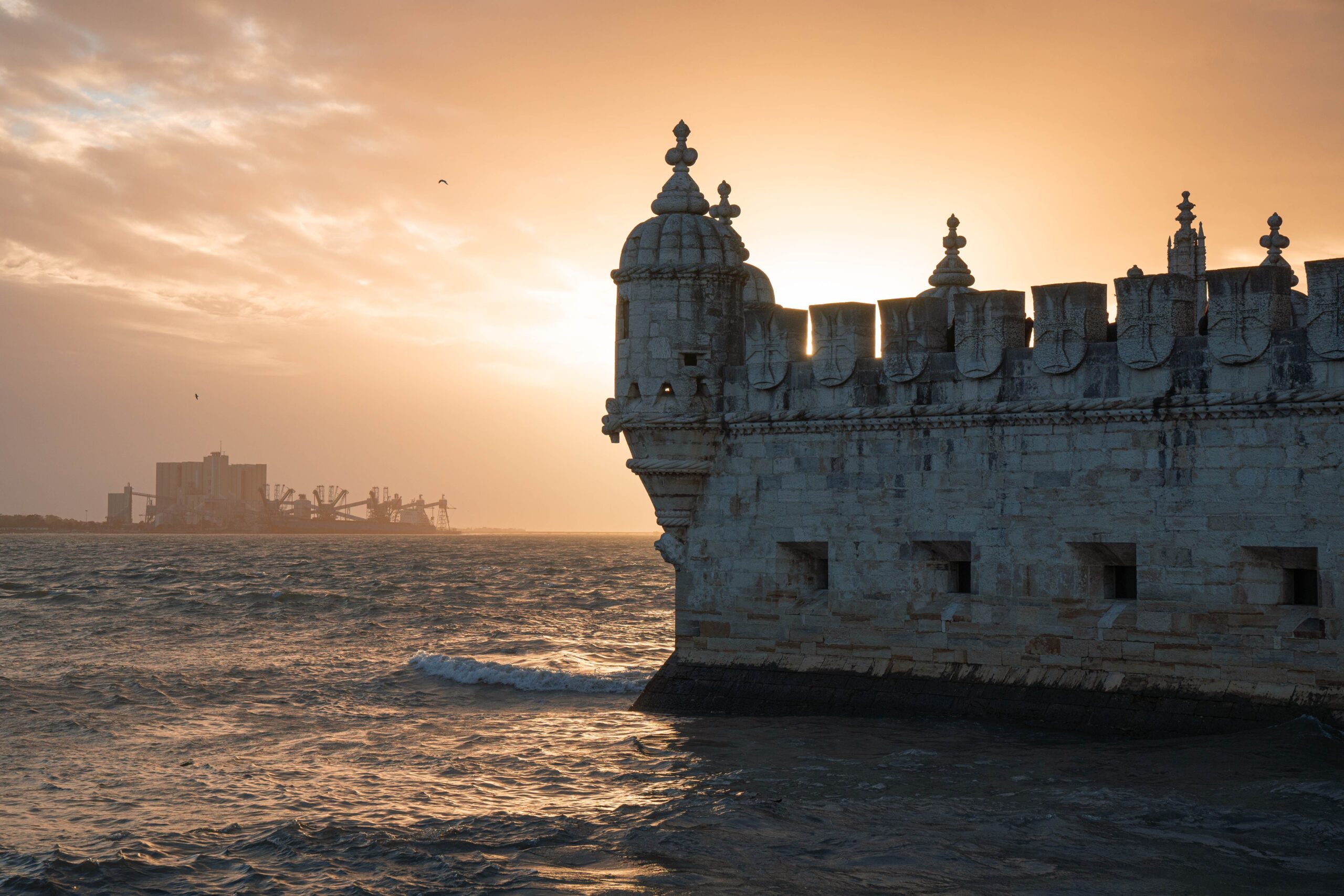
Belém Tower: A defensive outpost symbolizing Lisbon’s maritime power.
Navy Museum: Displays maps and ship models showing trade networks to Macau.
Tips for visitors:
Combine these sites into a full-day cultural tour.
Look for plaques and exhibits referencing Macau and China trade.
👉 Pre-book a Belém cultural tour on GetYourGuide to dive deep into Lisbon’s maritime legacy.
8. Art and Decorative Pieces in Museums
Lisbon museums display gifts, paintings, and artifacts from Macau:
Religious art commissioned in Macau.
Porcelain pieces reflecting trade and diplomacy.
Portraits and cartography from the Age of Discovery.
Pro tips:
Museums like Museu Nacional de Arte Antiga and Museu do Oriente have Macau collections.
A museum pass can help explore multiple locations efficiently.
9. Stay in Lisbon Where History Meets Comfort

Final Thoughts
Lisbon’s connection to Macau is a fascinating story of exploration, trade, and cultural exchange that still resonates today. From historic landmarks and museums to culinary delights and cultural festivals, the traces of Macau in Lisbon are all around you — waiting to be discovered.
Whether you’re wandering the streets of Alfama, savoring a Macau-inspired pastry, or exploring an exhibition celebrating centuries of shared history, Lisbon offers a unique window into a world that stretches across continents.
By planning your visit with guided tours, museum passes, and centrally located accommodations, you can immerse yourself fully in this cross-cultural journey, making your Lisbon experience both authentic and unforgettable.
👉 Tip: Don’t miss out on booking your Lisbon cultural tours, museum passes, and hotels in advance via Viator, GetYourGuide, or Booking.com to make the most of your trip.
For me, the connection between Lisbon and Macau is a reminder that this city has always looked outward. Its history isn’t just local — it’s global, shaped by centuries of exploration, trade, and cultural exchange.
Understanding that link adds another layer to Lisbon itself. Once you see it, the city feels a little bigger, its past stretching across oceans and continents in ways that still resonate today. 🌍
About the author
I’m Duncan, a Lisbon-based guide and writer who’s lived here for 11 years and taken hundreds of visitors around the city. I created Lisbon Listicles to share everything you need to know about Lisbon in clear, practical lists — from iconic sights to hidden gems — so you can plan your trip easily and make the most of your time here.
All recommendations are based on personal experience and the questions I hear most often from visitors.
Leave a Reply