Disclosure: Some links in this article are affiliate links. If you book through them, I may earn a small commission at no extra cost to you. I only recommend places and experiences I genuinely think are worth it.
I’ve lived in Lisbon for years now, and over that time I’ve explored countless fado restaurants, traditional taverns, and music houses across the city. I also regularly show visitors around Lisbon, which means I’ve had the chance to see firsthand which fado experiences people genuinely love — and which ones leave them disappointed.
One thing I’ve learned is that no two fado nights are ever quite the same.
Some evenings are lively and social, filled with wine, conversation, and applause. Others are deeply emotional and almost silent, where the entire room stops to listen as a singer pours raw feeling into every word. Both experiences can be unforgettable when you choose the right venue.
This guide is based not just on research, but on years of personally experiencing fado throughout Lisbon’s most historic neighborhoods — especially Alfama, Mouraria, and Bairro Alto. I’ve included the places, tips, neighborhoods, and cultural insights that I genuinely recommend to friends, family, and travelers visiting the city.
Whether it’s your first time hearing fado or you’re already fascinated by Portuguese culture, this guide will help you experience one of Lisbon’s most beautiful traditions in a more meaningful and authentic way.
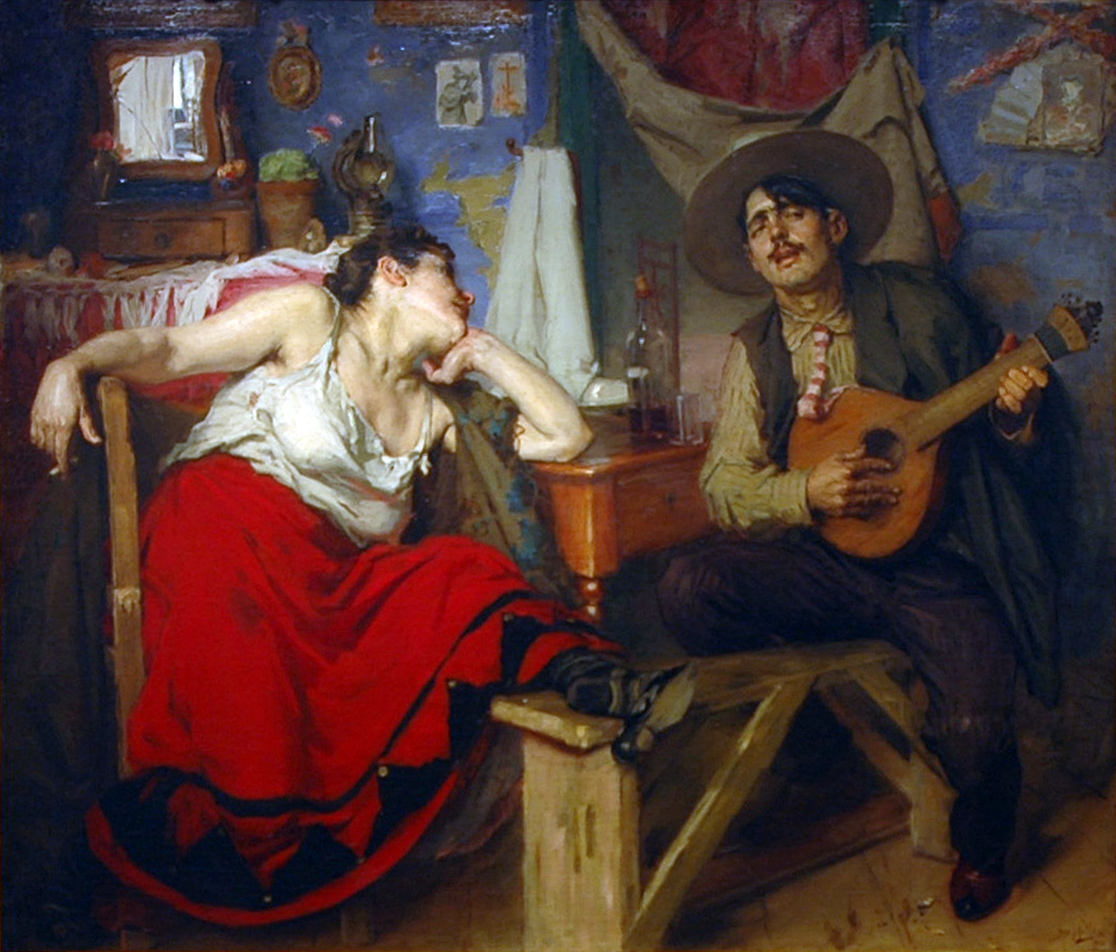
Fado in Lisbon
There are many incredible things to do in Lisbon, but few experiences capture the spirit of the city quite like an evening of fado.
Long before Lisbon became one of Europe’s trendiest city breaks, the sound of Portuguese guitars echoed through the narrow alleyways of Alfama and Mouraria. Sailors, workers, tavern singers, and poets gathered in dimly lit taverns to sing about love, heartbreak, longing, and saudade — that uniquely Portuguese feeling of nostalgia and emotional yearning that defines fado to this day.
Today, fado remains one of Lisbon’s most unforgettable cultural experiences.
Whether you’re looking for:
- traditional fado houses
- romantic dinner shows
- authentic local taverns
- famous singers
- historic neighborhoods
- emotional live performances
this complete guide will show you exactly where to experience the best fado in Lisbon.
You’ll also discover:
- the history of fado
- the best fado restaurants in Lisbon
- the most famous fado singers
- what to expect during a performance
- how to avoid tourist traps
- the best neighborhoods for fado
- where to book unforgettable experiences
If you only do one cultural activity in Lisbon, make it fado.
What Is Fado?
Fado is Portugal’s traditional music genre and one of the country’s greatest cultural treasures.
The music is emotional, poetic, and deeply connected to Portuguese identity. Most fado songs revolve around themes such as:
- longing
- heartbreak
- nostalgia
- destiny
- the sea
- Lisbon life
- impossible love
- memory and loss
The word “fado” comes from the Latin word fatum, meaning fate.
Traditionally, fado is performed by:
- a lead singer
- a Portuguese guitar player
- a classical guitar player
The Portuguese guitar — with its distinctive pear-shaped body and bright melancholic sound — is one of the defining elements of fado music.
Unlike many musical genres, fado is not just meant to entertain. It’s meant to make you feel something.
Even if you don’t understand Portuguese, the emotion often transcends language completely.
👉 For a much deeper look into the origins and evolution of the genre, read: What Is Fado Music? History, Meaning & Origins Explained
Why Fado Is So Important to Lisbon
To truly understand Lisbon, you need to understand fado.
This music was born from the city itself.
The narrow streets, taverns, ports, stairways, and working-class neighborhoods of Lisbon shaped the genre over centuries. Fado became the soundtrack of ordinary people navigating difficult lives, uncertain futures, and emotional struggles.
Unlike polished concert hall performances, traditional fado often feels intimate and deeply human.
Many performances still happen in small restaurants where:
- candles flicker against tiled walls
- wine glasses quietly clink
- conversations stop during performances
- singers stand only a few feet away
The atmosphere is unlike anything else in Europe.
In 2011, UNESCO officially recognized fado as:
Intangible Cultural Heritage of Humanity
Today, fado remains one of the most authentic experiences travelers can have in Lisbon.

Fado in Lisbon: Best Restaurants, History & Where to Experience It
1. Experience Traditional Fado in Alfama
If there is one neighborhood synonymous with fado, it’s Alfama.
This ancient district survived the devastating 1755 earthquake and still feels wonderfully timeless today. Its maze-like alleyways, hidden courtyards, hanging laundry, and tiny staircases create the perfect backdrop for a traditional fado evening.
Many of Lisbon’s most famous fado restaurants are located here.
Alfama is ideal for travelers seeking:
- romance
- authenticity
- old Lisbon atmosphere
- candlelit dinners
- classic fado houses
Walking through Alfama at night is an experience in itself. Music drifts through open windows while locals gather outside tiny bars and taverns.
Some venues are elegant and refined, while others are incredibly simple and intimate.
The best experiences usually happen in places where:
- the audience remains quiet
- performances feel emotional rather than theatrical
- the venue maintains traditional charm
👉 For the full guide, read: The 5 Best Fado Restaurants in Alfama
What Makes Alfama Special for Fado?
Alfama’s atmosphere is inseparable from the music itself.
The neighborhood’s:
- steep hills
- aging buildings
- river views
- hidden alleys
- old taverns
perfectly reflect the emotional depth associated with fado.
Many visitors say their favorite Lisbon memories come from simply wandering Alfama before dinner and hearing music echo through the streets.
It’s one of the few places in Europe where tourism still hasn’t entirely erased the neighborhood’s soul.
2. Discover Mouraria — The Birthplace of Fado
While Alfama gets most of the attention, Mouraria may actually be the most historically important neighborhood for fado.
This multicultural district is widely believed to be the birthplace of the genre.
Historically, Mouraria was home to:
- sailors
- laborers
- tavern culture
- marginalized communities
- early fado performers
It was also home to Maria Severa, the legendary singer often considered Portugal’s first great fadista.
Compared to Alfama, Mouraria generally feels:
- less polished
- less touristy
- more local
- more authentic
That authenticity is exactly why many locals prefer it.
Some of Lisbon’s rawest and most emotional performances still happen in small Mouraria taverns where tourists are often outnumbered by Portuguese guests.
If you want to experience a more traditional side of Lisbon’s music culture, Mouraria is essential.
👉 Read more here: The Best Fado Restaurants in Mouraria
Why Mouraria Matters Historically
Mouraria’s influence on fado cannot be overstated.
This neighborhood represented the rougher side of old Lisbon — a place associated with poverty, sailors, nightlife, and outsiders.
Fado emerged from precisely these kinds of environments.
Many early songs reflected:
- social struggles
- difficult romances
- fatalism
- urban life
- emotional suffering
Even today, Mouraria still retains traces of old Lisbon that have disappeared elsewhere in the city.
3. Experience Modern Fado in Bairro Alto
Not every fado experience needs to feel solemn and deeply traditional.
Bairro Alto offers something different.
By day, the neighborhood is relatively quiet. But at night, it transforms into one of Lisbon’s most energetic nightlife districts.
Here, you’ll find:
- lively bars
- younger crowds
- modern restaurants
- contemporary fado venues
Bairro Alto is perfect for travelers who want:
- dinner and drinks
- a social atmosphere
- less formal experiences
- nightlife after the show
Some venues blend traditional fado with contemporary influences, creating performances that feel more accessible to younger audiences and first-time visitors.
While purists sometimes prefer Alfama or Mouraria, Bairro Alto offers an excellent introduction to fado for many travelers.
👉 Explore the top venues: The 6 Best Fado Restaurants in Bairro Alto
4. Learn the Fascinating History of Fado
The history of fado is complex, emotional, and deeply intertwined with Lisbon’s identity.
Although historians still debate its exact origins, most agree that the genre developed during the early 19th century.
Possible influences include:
- African rhythms
- Brazilian musical traditions
- Moorish influences
- maritime culture
- traditional Portuguese folk music
Over time, fado evolved from informal street singing into a nationally recognized art form.
During the 20th century, the genre became increasingly professionalized and eventually spread internationally.
Today, fado is recognized around the world as one of Portugal’s greatest cultural exports.
👉 For a complete breakdown of its origins and evolution, read: What Is Fado Music? History, Meaning & Origins Explained
5. Discover the Legacy of Amália Rodrigues
No discussion about fado would be complete without Amália Rodrigues.
Known as:
“The Queen of Fado”
Amália transformed the genre forever.
Before her rise, fado was often viewed as local tavern music associated with Lisbon’s poorer neighborhoods.
Amália elevated it into a respected international art form.
Her influence can still be felt everywhere in Lisbon.
Visitors can explore:
- her former home
- museums
- neighborhoods associated with her
- historic performance locations
Many fado singers today still consider her the single most important figure in the genre’s history.
👉 If you’re interested in following her footsteps through Lisbon, read: Discovering Amália Rodrigues’ Lisbon
6. Listen to Famous Fado Songs Before Visiting Lisbon
Listening to fado before your trip dramatically enhances the experience.
Recognizing famous melodies and themes during live performances makes everything feel more immersive and meaningful.
Many songs focus on:
- Lisbon itself
- the Tagus River
- saudade
- nostalgia
- impossible love
- longing for the past
Some of the greatest fado songs have become deeply tied to Lisbon’s cultural identity.
Before your trip, it’s worth building a playlist featuring:
- Amália Rodrigues
- Carlos do Carmo
- Fernando Maurício
- Mariza
- Ana Moura
👉 Read the complete listening guide here: Famous Fado Songs You Should Listen to Before Visiting Lisbon
7. Visit Lisbon’s Most Important Fado Landmarks
Fado is not confined to restaurants alone.
Lisbon contains several fascinating landmarks connected to the genre’s history.
Museu do Fado
Located in Alfama, the Museu do Fado is one of the best cultural museums in Lisbon.
Visitors can explore:
- instruments
- historical recordings
- costumes
- archives
- photographs
- interactive exhibits
It provides excellent context before attending a live performance.
Largo da Severa
This historic square in Mouraria honors Maria Severa and the neighborhood’s role in fado history.
Many visitors overlook it entirely, but it’s one of the most symbolic places connected to the genre.
Traditional Taverns
Some of Lisbon’s most memorable experiences happen in tiny taverns hidden away in old neighborhoods.
These places often feel less commercial and more emotionally authentic than larger venues.
8. Learn About the Most Famous Fado Singers
Understanding the legends behind the music makes performances much more meaningful.
Maria Severa
Maria Severa remains one of the most legendary figures in Portuguese music history.
Although much of her life has become mythologized over time, she helped define the image and emotional identity of early fado.
👉 Read more: 10 Facts About Maria Severa
Carlos do Carmo
Carlos do Carmo modernized fado and introduced it to wider international audiences while still respecting its traditions.
He remains one of Portugal’s most beloved performers.
👉 Read more: 10 Facts About Carlos do Carmo
Fernando Maurício
Known as:
“The King of Mouraria”
Fernando Maurício became famous for his emotionally intense performances and strong ties to Lisbon’s traditional neighborhoods.
👉 Read more: 9 Facts About Fernando Maurício
9. What to Expect During a Fado Performance
If it’s your first fado experience, there are a few important things to know.
Silence Is Essential
During performances, conversations stop almost entirely.
Unlike background music in restaurants, fado demands attention and respect.
If you hear someone shout:
“Silêncio!”
it means the performance is beginning.
Performances Happen in Sets
Most restaurants alternate between:
- dining
- short fado sets
- breaks between performances
A typical evening lasts several hours.
Prices Can Be Higher Than Expected
Many venues charge:
- fixed menus
- minimum spending requirements
- performance fees
This is normal in Lisbon’s fado houses.
Tourist Venues Aren’t Always Bad
Some travelers become obsessed with finding only “authentic” places.
But the reality is that several tourist-oriented venues offer exceptional performances.
The key is understanding what kind of atmosphere you personally prefer.
10. How to Avoid Tourist Traps
Not every fado experience in Lisbon is equally memorable.
Some restaurants prioritize:
- large groups
- rushed dinners
- volume over intimacy
Here’s how to avoid disappointing experiences:
Avoid places with aggressive street promoters
The best venues rarely need people standing outside begging tourists to enter.
Read recent reviews carefully
Look for mentions of:
- emotional performances
- atmosphere
- sound quality
- respectful audiences
Prioritize atmosphere over luxury
Some of Lisbon’s best performances happen in tiny, simple venues.
Book ahead during peak season
The best restaurants often sell out days in advance.
11. Best Areas to Stay for Fado Lovers
If fado is a major priority for your Lisbon trip, choosing the right neighborhood matters.
Alfama
Best for:
- romantic atmosphere
- traditional Lisbon
- historic charm
Mouraria
Best for:
- authenticity
- local culture
- fewer tourists
Bairro Alto
Best for:
- nightlife
- bars
- younger atmosphere
Chiado
Best for:
- central location
- upscale stays
- easy access to performances
👉 Book Your Lisbon Hotel Near the Best Fado Venues
Want to stay within walking distance of Lisbon’s top fado neighborhoods?
👉 Book your hotel on Booking.com here
Perfect areas for fado lovers:
- Alfama
- Mouraria
- Bairro Alto
- Chiado
12. Best Guided Fado Experiences in Lisbon
For many travelers, booking a curated experience removes a lot of stress and uncertainty.
Guided experiences often include:
- dinner reservations
- local guides
- cultural explanations
- walking tours
- priority seating
This is especially useful for first-time visitors unfamiliar with Lisbon.
👉 Browse the Best Lisbon Fado Experiences on Viator
Looking for:
- intimate fado dinners
- small-group tours
- cultural walking experiences
- authentic local performances?
13. Best Last-Minute Fado Tickets & Tours
If you prefer flexibility, GetYourGuide is excellent for:
- mobile tickets
- same-day bookings
- highly rated experiences
- skip-the-line options
It’s particularly useful during busy travel seasons when popular venues sell out quickly.
👉 Find Top-Rated Fado Shows on GetYourGuide
Want to compare:
- dinner shows
- concerts
- traditional taverns
- premium experiences?
👉 Browse Lisbon’s top-rated fado experiences on GetYourGuide

Is Fado Worth It in Lisbon?
Without question.
Even travelers who normally don’t enjoy traditional music often describe fado as one of the highlights of their trip to Portugal.
There’s something unforgettable about:
- wandering ancient Lisbon streets at night
- hearing Portuguese guitars echo through alleyways
- sitting in candlelit taverns
- listening to deeply emotional performances
Fado creates memories that stay with people long after they leave Lisbon.
It’s not just music.
It’s one of the purest expressions of the city’s identity.
Final Thoughts on Experiencing Fado in Lisbon
Fado is woven into the very fabric of Lisbon.
From the hidden taverns of Mouraria to the romantic streets of Alfama and the lively nightlife of Bairro Alto, the music continues to shape the emotional atmosphere of the city every single night.
Whether you’re seeking:
- authentic culture
- unforgettable music
- romantic evenings
- historic neighborhoods
- emotional performances
fado delivers an experience unlike anything else in Europe.
And once you hear those first haunting notes of the Portuguese guitar drifting through Lisbon’s old streets, you’ll understand exactly why this music has captivated people for generations.
Wrap-Up
After living in Lisbon for years and spending a huge amount of time exploring the city’s fado scene, I genuinely believe that experiencing live fado is one of the most memorable things you can do in Portugal.
It’s more than just dinner and music.
Fado tells the story of Lisbon itself — its history, struggles, romances, traditions, and emotions. And while the city has changed enormously over the years, fado still remains one of the rare experiences that can make Lisbon feel deeply authentic.
Some of my favorite evenings in the city have involved nothing more than wandering through Alfama at sunset, hearing Portuguese guitars echo through old alleyways, and ending up inside a tiny candlelit tavern listening to songs that have been sung here for generations.
That’s the magic of fado.
If you’re planning a trip to Lisbon, I highly recommend setting aside at least one evening for it. Choose the neighborhood that best fits your style, book ahead if you’re visiting during peak season, and go in with an open mind.
Even if you don’t speak Portuguese, chances are you’ll still feel exactly what the music is trying to say.
👉 Still not sure if it’s worth it or not? Check out my post: Is Fado in Lisbon Worth It? What to Expect Before You Go
About the author
I’m Duncan, a Lisbon-based guide and writer who’s lived here for 11 years and taken hundreds of visitors around the city. I created Lisbon Listicles to share everything you need to know about Lisbon in clear, practical lists — from iconic sights to hidden gems — so you can plan your trip easily and make the most of your time here.
All recommendations are based on personal experience and the questions I hear most often from visitors.
Leave a Reply