Disclosure: Some links in this article are affiliate links. If you book through them, I may earn a small commission at no extra cost to you. I only recommend places and experiences I genuinely think are worth it.
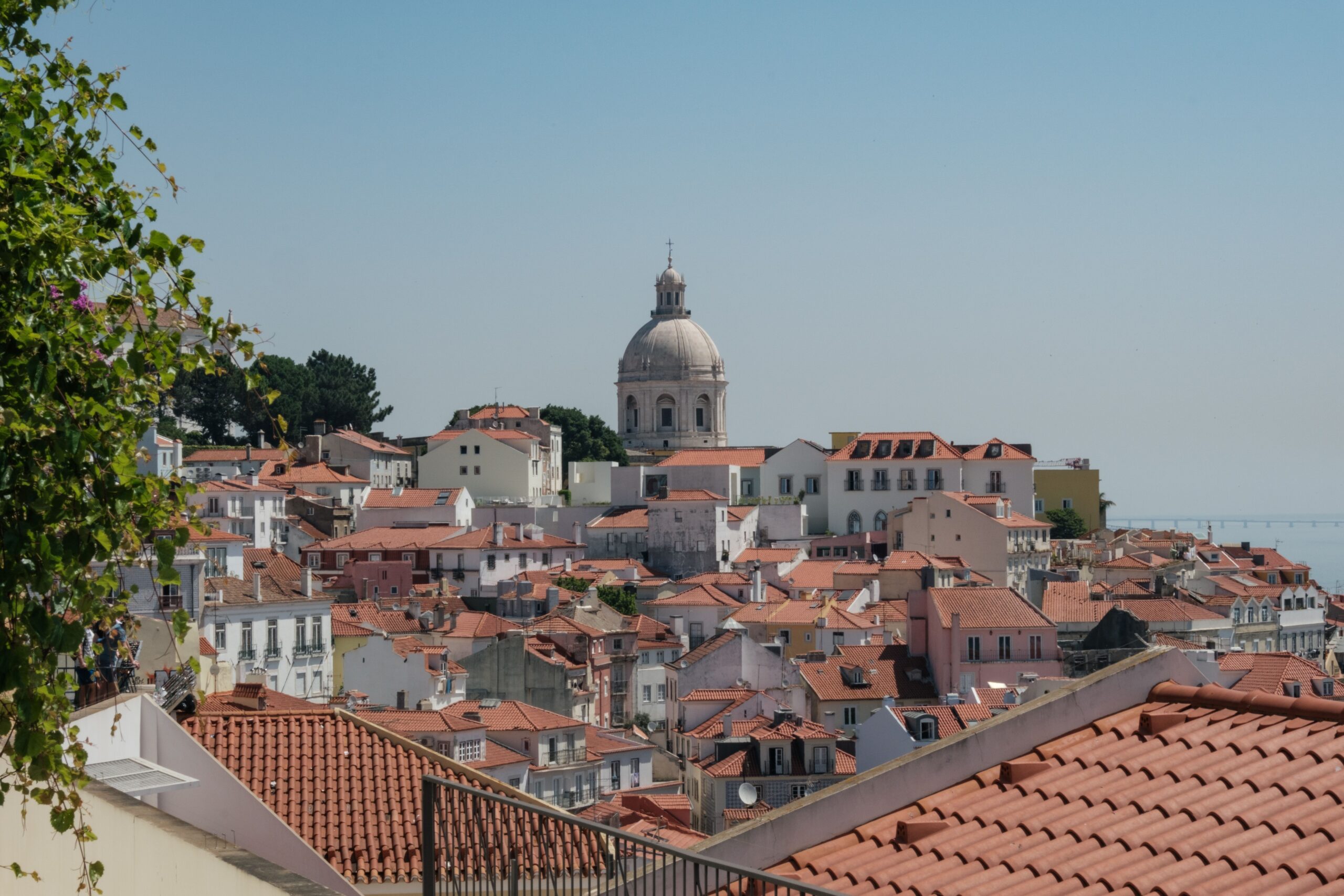
Walking through Lisbon for the first time, I couldn’t stop staring at the rooftops. The reds, oranges, and occasional golds stretch across the hills like a sea of warmth — so familiar in photos, yet somehow even more striking in person. Over time, I realized there’s more to those red roofs than just aesthetics: they’re tied to history, climate, economics, and even municipal regulations.
I’ve spent years observing them from viewpoints, researching building archives, and speaking with local architects and historians to understand why Lisbon developed its signature skyline. This guide uncovers 15 things you probably didn’t know about the city’s red roofs — insights grounded in history, practice, and firsthand exploration.
Lisbon’s Red Roofs: A View That Lives in Your Memory
Picture this.
You’re standing on a sun-warmed hilltop in Lisbon, Portugal, a soft Atlantic breeze drifting up from the Tagus River, and in front of you unfolds one of Europe’s most unforgettable cityscapes — a rolling ocean of glowing red rooftops, shimmering under honey-toned sunlight.
This isn’t just a view.
This is Lisbon’s skyline, its heartbeat, its signature.
But most travelers never ask the deeper questions:
-
Why are Lisbon’s roofs red?
-
Who decided this color would define the city?
-
And what do these rooftops reveal about Lisbon’s history, climate, and soul?
In this travel guide, we dive deeper than ever before into the real story behind Lisbon’s red roofs, including history, architecture, secret viewpoints, walking routes, rooftop bars, and how you can experience all of this in real life.

The Story of Lisbon’s Red Roofs: 15 Things You Didn’t Know
🔥 1. Lisbon’s Red Roofs Are Made From Fire and Earth
The famous red rooftops of Lisbon are made from terracotta roof tiles, a material whose name comes from the Latin terra cocta — literally meaning “baked earth.”
These tiles are formed by hand from clay and fired in traditional kilns. The magic happens when the tile’s natural iron oxide reacts to extreme heat, producing the deep, earthy red color Lisbon is famous for today.
What most people don’t realize:
Every single tile cools slightly differently. That means no two tiles reflect light in exactly the same way — which is why Lisbon’s rooftops seem alive, shifting color with every change of sun.
🏛️ 2. The Romans Started It. The Moors Perfected It.
The story of Lisbon’s red roofs goes back more than 2,000 years.
-
The Romans introduced early clay roofing systems.
-
Archaeological excavations beneath Lisbon still reveal these ancient tiles today.
-
The Moors (8th–12th centuries) perfected the curved, overlapping tile system known as “teja árabe.”
This is why neighborhoods like Alfama, Mouraria, and Graça feel so ancient: the rooftops above them are built using techniques refined over a millennium ago.
When you look out across Lisbon’s roofs, you’re literally seeing layers of living civilization.
🌊 3. The 1755 Earthquake: Disaster That Shaped the Skyline
In 1755, Lisbon suffered one of the most catastrophic earthquakes in European history.
Earthquake.
Firestorm.
Tsunami.
The city was almost erased.
During the rebuilding, the Marquis of Pombal enforced architectural laws that shaped modern Lisbon:
✅ Mandatory fire-resistant terracotta roofing
✅ Pitched roofs to handle Atlantic rain
✅ Standardized urban skyline
The iconic red rooftop skyline of Lisbon was born from this moment of rebuilding — a symbol of resilience and rebirth.
🌍 4. The Rooftops That Welcomed the Age of Discovery
During the Age of Exploration, Lisbon was one of the most important ports on Earth.
Explorers sailed out past the horizon toward Africa, India, Brazil — and when they returned, the first thing they searched for were the glowing red roofs of Lisbon rising above the harbor.
Imagine this moment:
You’ve been at sea for months.
The city appears in the distance.
Red tiles shimmer in the sun.
You’re home.
These rooftops aren’t just architecture — they’re emotional landmarks.
🧱 5. Why Terracotta Roofs Are Perfect for Lisbon’s Climate
Lisbon has a unique climate: hot, brilliant summers and surprisingly damp, breezy winters.
Terracotta roof tiles are almost perfectly engineered by nature for this:
-
Cooling effect in summer — They release heat slowly.
-
Rain protection in winter — Curved shapes guide water away.
-
Wind resistance — Their weight and overlap make them storm-friendly.
So yes, Lisbon’s red roofs are beautiful — but also brilliantly practical.
🎨 6. The Red Roofs That Hold Lisbon’s Color Palette Together
Lisbon is a city painted in layers:
-
Red rooftops
-
Blue azulejo tile façades
-
Butter-yellow and soft-pink houses
-
Pale limestone streets
-
Bright green vines and jacaranda trees
Without the rooftops, the city would feel scattered.
The red tile roofs of Lisbon anchor everything visually — like the bassline in a beautiful song.
Photography tip for travelers:
The best rooftop photos happen during golden hour, roughly one hour before sunset.
🏙️ 7. The Most Epic Places to See Lisbon’s Red Roofs
If you want truly unforgettable Lisbon rooftop views, these viewpoints are essential:
-
Miradouro da Senhora do Monte — Highest panoramic view
-
Castelo de São Jorge — Medieval walls + perfect angles
-
Miradouro das Portas do Sol — Classic Alfama rooftops
-
Topo Chiado Rooftop Bar — Drink + skyline combo
👣 8. Self-Guided Lisbon Rooftop Walking Route
This is one of the most scenic Lisbon walking routes you can do in about an hour:
Start at:
-
Praça do Comércio
-
Walk through Rua da Madalena
-
Enter the alleys of Alfama
-
Pass Rua dos Remédios
-
Climb to Santa Luzia Viewpoint
-
Cross Mouraria
-
Finish at Senhora do Monte
🎶 9. Fado, Saudade, and the Rooftops of Longing
Traditional Fado music is full of references to hills and rooftops.
Why?
Because people once waited on these rooftops for sailors who never returned.
Because these buildings witnessed heartbreak, reunion, and prayer.
That feeling has a name: saudade — a beautiful, aching longing.
When you stare over Lisbon’s red roofs, you’re not just seeing beauty — you’re touching a feeling.
👉 Book a Fado tour with dinner experiencde on Viator to learn more.
🌿 10. Eco-Friendly Before It Was Cool
Modern sustainability trends didn’t invent green architecture.
Lisbon did.
Terracotta roof tiles are:
-
Natural and non-toxic
-
Biodegradable
-
Frequently reused from older buildings
-
Durable for decades
Lisbon’s rooftops are both ancient and quietly eco-friendly.
🔐 11. Protected by Law: You Can’t Mess With the Red
In districts like Alfama, Bairro Alto, and Chiado, heritage laws protect the traditional red rooftops.
You cannot:
❌ Replace them with metal
❌ Install bright modern materials
❌ Alter the roof color
Even Airbnb renovations and boutique hotels must preserve this architectural DNA.
That’s why Lisbon’s skyline still feels untouched.
🧩 12. The Secret Language of Roof Tile Shapes
Look closely and you’ll spot three main styles of Lisbon roof tiles:
-
Canelada — Curved (Roman/Moorish heritage)
-
Marselha — Flat, interlocking (20th-century style)
-
Lusa — Wave-shaped (modern restorations)
Each style tells a story of the era it survived.
⭐ 13. Why Artists Say Lisbon Has “Living Light”
Sunlight hits the Tagus River, reflects upward, and explodes gently across the red rooftops.
This makes Lisbon famous for:
-
Golden mornings
-
Honey-colored afternoons
-
Burning-orange sunsets
For pure magic, visit Santa Catarina Viewpoint before dinner.
🍷 14. Experience the Rooftops, Don’t Just Look at Them
Lisbon isn’t just about looking — it’s about experiencing.
Some of the most unforgettable Lisbon rooftop bars and terraces:
Park Bar — Garden hidden above a parking garage
Lost In Esplanada — Bohemian terrace with views
Hotel Mundial Rooftop Bar — Romantic skyline sunsets
Santa Justa Lift Café — Coffee at elevation
👉 Travelers increasingly choose Lisbon rooftop bar tours and cocktail experiences on GetYourGuide or Viator so access is easy and stress-free.
📸 15. Capture It, Sketch It, Feel It
Before leaving Lisbon:
✅ Take a panoramic rooftop photo
✅ Sketch the skyline
✅ Or simply sit silently and watch the light change
Miradouro da Graça remains one of the most emotional places to experience Lisbon’s red roofs.

🌟 Final Words: Lisbon’s Red Roofs Are the City’s Soul
These rooftops aren’t decoration.
They are:
Survivors of earthquakes
Guardians of history
Witnesses of heartbreak and homecoming
Next time you stand on a Lisbon hill, slowly breathing in the warm Atlantic air…
You’re not just looking at rooftops.
You’re looking at Lisbon’s soul.
For me, Lisbon’s red roofs are more than a visual signature — they’re a story of the city’s resilience, style, and identity. Each tile carries a fragment of the past, a hint of local craftsmanship, and a sense of continuity across centuries.
I hope this guide gives you a fresh lens on the cityscape. Because once you start noticing the history behind the rooftops, Lisbon’s familiar hills take on an entirely new depth and character.
👉 Want to Experience It for Real? Don’t Just Read About It.
If you want the best rooftop views, guided city walks, hidden viewpoints, sunset experiences, and perfectly located hotels, it’s worth:
👉 Choosing curated Lisbon walking tours through GetYourGuide
👉 Booking immersive Lisbon experiences with Viator
👉 Reserving a rooftop hotel in Lisbon with Booking.com
These small upgrades transform a nice trip into a lifetime memory. ☝️
About the author
I’m Duncan, a Lisbon-based guide and writer who’s lived here for 11 years and taken hundreds of visitors around the city. I created Lisbon Listicles to share everything you need to know about Lisbon in clear, practical lists — from iconic sights to hidden gems — so you can plan your trip easily and make the most of your time here.
All recommendations are based on personal experience and the questions I hear most often from visitors.
Leave a Reply