Disclosure: Some links in this article are affiliate links. If you book through them, I may earn a small commission at no extra cost to you. I only recommend places and experiences I genuinely think are worth it.
Living in Lisbon, it doesn’t take long to realize that the Carnation Revolution isn’t just a chapter in a history book — it’s something people still speak about with pride, emotion, and vivid memory. Over time, I found myself wanting to understand more about what happened on April 25, 1974, beyond the headlines of a “peaceful coup.” I’ve visited the museums, stood in the squares where it unfolded, and listened carefully to the way locals describe that day.
In this guide, I’m exploring the story of the Carnation Revolution — how it began, why it mattered, and how it continues to shape Lisbon and Portugal today. It’s one of the most remarkable examples of peaceful political change in modern Europe, and understanding it adds an entirely new layer to walking through the city’s streets.
👉 Explore all the major chapters of Lisbon’s history in one place.
The Carnation Revolution: A Turning Point in Portuguese History
The Carnation Revolution is one of the most inspiring moments in modern European history—a day when Portugal changed its destiny without gunfire, brutality, or bloodshed. On April 25, 1974, a peaceful military coup brought down the Estado Novo dictatorship after nearly 48 years of censorship, war, and political repression. Civilians took to the streets of Lisbon, handing red carnations to soldiers, and by sunset…the dictatorship had collapsed.
What still amazes historians is this:
➡ The regime fell
➡ Freedom arrived
➡ Lives changed
➡ And not a single shot was fired
If you love European history, meaningful travel, and powerful real-world stories, Lisbon is a city where the memory of 1974 is still written into streets, monuments, squares, and buildings. Walking Lisbon is like stepping into a living museum of freedom.
Below is the ultimate expanded guide to the revolution, including:
Deep historical background
All the major revolution sites
New stops and experiences
Where to stay
Authentic local insights
Affiliate-friendly experiences and tours woven naturally into the story

The Carnation Revolution: Lisbon’s Peaceful Uprising that Changed History
🕰️ 1. The Story Behind the Carnation Revolution
The Estado Novo regime, founded by António de Oliveira Salazar in 1933, was one of the longest dictatorships in Europe. Under strict censorship, secret police surveillance, and aggressive colonial wars in Angola, Guinea-Bissau, and Mozambique, Portugal was being left behind while the rest of Europe modernized.
By the early 1970s:
Young soldiers were being sent to unwinnable wars
Families lived under constant political fear
Economic stagnation was widespread
Public dissatisfaction was reaching its limit
A group of military officers who were tired of watching their country decline founded the Movimento das Forças Armadas (MFA). Their plan was brilliant, simple, and coordinated.
At 12:20 AM on April 25, Rádio Renascença broadcast the banned song:
🎶 “Grândola, Vila Morena”
This was the secret signal.
Troops mobilized, tanks rolled into Lisbon, and the people joined them—not as protesters, but as partners. Women handed out carnations, children cheered soldiers, and shop owners brought food into the streets.
By the end of the day:
Marcelo Caetano had surrendered
The regime was over
Portugal stepped into democracy
🏛️ 2. Largo do Carmo – Where the Regime Finally Fell
This quiet, leafy square in Chiado is where Marcelo Caetano surrendered to MFA forces. It is, without exaggeration, the emotional epicenter of the Carnation Revolution.
Today, it’s peaceful and charming—stone façades, tall trees, and open terraces where locals sip coffee unaware that tanks once rolled here.
👉 What to See
The beautiful Carmo Convent ruins, left open-roofed after the 1755 earthquake
A plaque marking the fall of the regime
Occasional exhibitions about the revolution
👉 Tip: Many Lisbon history tours include Largo do Carmo, making it an ideal first stop.
If you visit only one revolution site, make it this one. Once a political prison, the Museu do Aljube is now a deeply moving tribute to resistance, journalism, banned literature, secret movements, and the people who refused to stay silent.
Inside, you’ll find:
Real prison cells
Testimonies from political prisoners
Films and propaganda from the dictatorship era
Documents that will give you chills
👉 Tip: A guided museum experience here adds emotional weight—local experts explain the exhibits through lived histories and personal stories.
🚶♂️ 4. Avenida da Liberdade – The Avenue of Freedom
One of Lisbon’s grandest boulevards, Avenida da Liberdade was where soldiers marched and civilians handed carnations to symbolize peace.
Today it is:
Lined with historic statues
Full of mosaics and patterned pavements
Home to luxury shops, cafés, and cultural landmarks
After the revolution, this neoclassical palace became the center of Portugal’s reborn democracy. Inside, officials drafted:
New democratic structures
Constitutional rights
The future of modern Portugal
Joining a tour here lets you see the seat of today’s open government.
🌺 6. Monument to the 25th of April
At the peak of Parque Eduardo VII, the stylized concrete carnation stands tall over Lisbon. It is a powerful visual symbol that the transition to democracy did not require bloodshed.
👉 Tip: Walk through the park before sunset for beautiful views of:
Praça Marquês de Pombal
Avenida da Liberdade
Downtown Lisbon
The glittering Tagus River
🌉 7. 25 de Abril Bridge – A Name Redefined
Big, bold, unmistakable—the iconic red suspension bridge was once the Salazar Bridge, named after the dictator. After the revolution, its renaming was symbolic:
Old regime out.
New future in.
🎉 8. Freedom Day – April 25
If you want to experience modern revolution magic, go to Lisbon on Dia da Liberdade.
Every April 25, the city fills with:
Street parades
Free concerts
Political speeches
Fireworks
People wearing red carnations
It is loud, joyful, and unforgettable.
🎭 9. Bairro Alto & Chiado – Where Lisbon Celebrated
When the dictatorship fell, these neighborhoods became celebration zones. People came out singing, drinking, laughing, and breaking decades of fear.
Today, they’re still the beating cultural heart of Lisbon.
👉 A guided walking tour through Chiado and Bairro Alto is perfect for:
History lovers
Nightlife travelers
Culture explorers
Grab a drink afterward—the revolution made this freedom possible.
🕯️ 10. Praça do Comércio – Lisbon’s Grand Stage
Facing the river beneath the yellow arcaded buildings, you’ll find a plaque commemorating the revolution. It’s a moment of stillness in one of Lisbon’s most majestic squares.
At sunset, this place is postcard perfect.
📻 11. Rádio Renascença – The Song That Started It All
This modest radio building changed history when it played “Grândola, Vila Morena” and kicked off the uprising. You can’t go inside, but you can stand outside and imagine the tension of that morning.
Pair it with the Museu da Rádio, just a short walk away.
🗺️ 12. MFA Headquarters – The Brains of the Operation
On Rua António Maria Cardoso, this building served as the command center for the revolution’s strategic decisions. You can’t enter, but the street itself holds weight and atmosphere.
Salazar feared words more than weapons—this street proves it.

Join a Carnation Revolution Tour
If you really want the revolution to come alive, a Carnation Revolution walking tour is the best investment in your experience.
☝️ Who it’s perfect for:
History lovers
Solo travelers
Culture-soakers
Students
Anyone who wants real context
🏨 Where to Stay for Easy Access to Revolution Sites
If you want to explore Lisbon’s revolutionary history on foot, the best neighborhoods are:
From here, you can reach most landmarks within minutes.
🥘 Restaurants & Cafés With Revolution History
To turn this into a deeper, more atmospheric trip, here are places where revolutionaries met, debated, or celebrated:
🇵🇹 Café A Brasileira (Chiado)
A historic meeting point for writers, activists, and intellectuals.
🇵🇹 Martinho da Arcada
One of Lisbon’s oldest cafés—beloved by political thinkers and poets.
🇵🇹 Taverna Imperial (near Baixa)
A traditional tavern where soldiers stopped for food on the morning of the revolution.
👉 Travel Tip: Add one of these to your walking route—you’ll eat well and sit on the same chairs where Portuguese history was shaped.
📚 Want to Deepen Your Knowledge?
If you want to learn more before (or after) visiting Lisbon, here are books and documentaries that tell the story beautifully:
📖 “Cadernos de Abril” – A stunning visual record
📖 “The Last Empire” by Freire d’Andrade – Colonial perspective
🎬 “Capitães de Abril” (2000) – Film dramatization of the uprising
🎧 Podcasts about Estado Novo and the revolution
✊ Why the Carnation Revolution Still Matters Today
The Carnation Revolution transformed:
Politics
Media freedoms
Civil liberties
Education
Portugal’s role in the world
It resulted in:
Free elections
Freedom of expression
The end of colonial wars
A modern constitution
All without a street of gunfire.
This is why Portugal still wears carnations proudly every April.
Final Thoughts: Live the Carnation Revolution in Lisbon
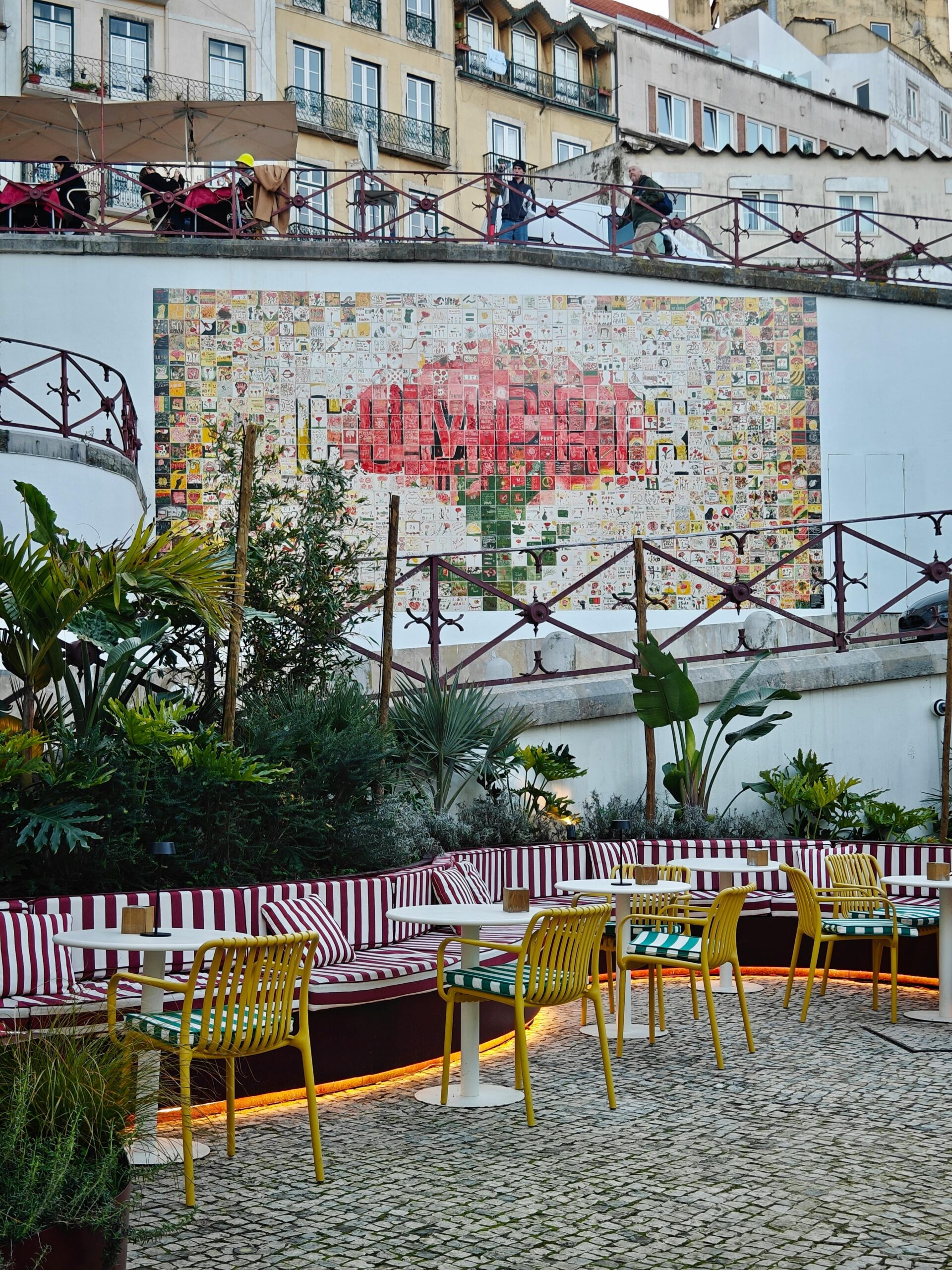
The revolution is not dusty history—it is a living part of Lisbon’s identity. Walk the streets long enough and you’ll see plaques, murals, graffiti art, and even the occasional older resident who was there that day.
To truly feel the moment:
Stand in Largo do Carmo
Visit the Museu do Aljube
Walk Avenida da Liberdade
Sail under the 25 de Abril Bridge
Celebrate Freedom Day if you can
The more I’ve learned about the Carnation Revolution, the more I’ve come to appreciate how deeply it defines modern Portugal. It’s not just history — it’s part of Lisbon’s identity, woven into conversations, commemorations, and even the atmosphere of the city itself.
I hope this guide gives you a clearer picture of what happened and encourages you to see Lisbon with fresh eyes. When you stand in these historic spaces, knowing the story behind them makes the experience feel far more meaningful — at least, it certainly has for me.
About the author
I’m Duncan, a Lisbon-based guide and writer who’s lived here for 11 years and taken hundreds of visitors around the city. I created Lisbon Listicles to share everything you need to know about Lisbon in clear, practical lists — from iconic sights to hidden gems — so you can plan your trip easily and make the most of your time here.
All recommendations are based on personal experience and the questions I hear most often from visitors.
Leave a Reply