Disclosure: Some links in this article are affiliate links. If you book through them, I may earn a small commission at no extra cost to you. I only recommend places and experiences I genuinely think are worth it.
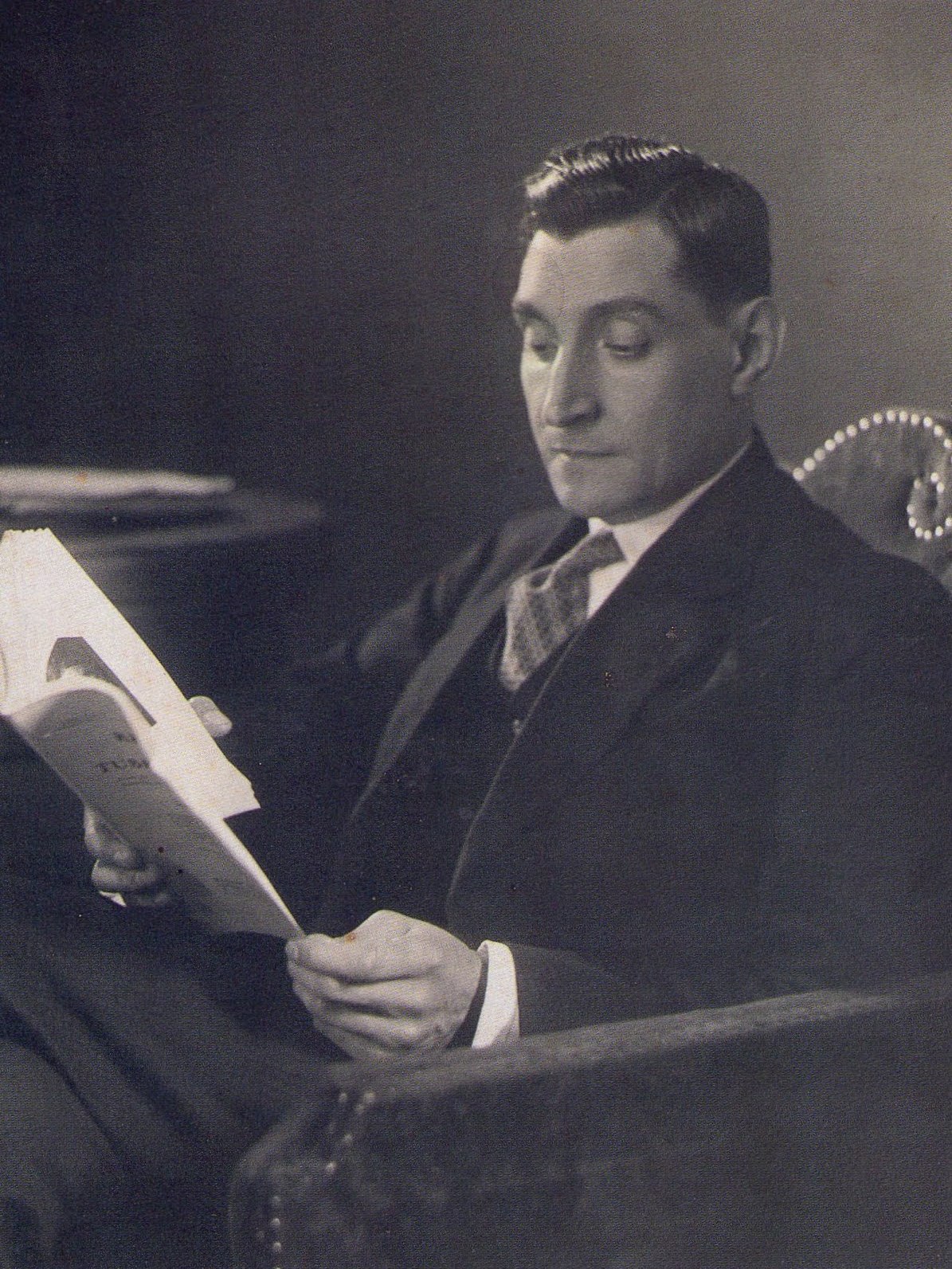
Living in Lisbon has made me increasingly aware of how recent some chapters of Portuguese history really are. It’s one thing to read about António de Oliveira Salazar’s dictatorship in a textbook — it’s another to speak with people whose families lived through it, or to visit museums and memorial sites that document that period in detail. Over time, I’ve felt it was important to understand this era more deeply, not just as history, but as something that still shapes conversations in Portugal today.
In this guide, I’m breaking down 10 key aspects of Salazar’s dictatorship — from censorship and political repression to economic policy and colonial wars — to offer clear context and a balanced overview. My aim is to present this period thoughtfully and factually, while helping readers understand how it influenced modern Portugal.
The Good, The Bad, and The Lasting Legacy
When you visit Lisbon, the charm is instant — golden rooftops, pastel buildings, trams rattling through cobbled streets. But behind the city’s elegance lies one of the most transformative — and controversial — chapters in Portuguese history: the Estado Novo, or “New State.”
This authoritarian regime, led by António de Oliveira Salazar, lasted from 1933 to 1974 and shaped nearly every aspect of Portuguese life — from its economy and architecture to education and freedom. The period ended with the peaceful Carnation Revolution, but the echoes of those decades still resonate through the capital.
Let’s uncover 10 key aspects of Salazar’s dictatorship in Portugal, mixing historical insight with tips on where travelers can explore this history today.

10 Key Aspects of Salazar’s Dictatorship in Portugal
1. Economic Stability and Fiscal Discipline
✅ Positive:
When Salazar became Finance Minister in 1928, Portugal was almost bankrupt. As a former economics professor at the University of Coimbra, he believed in strict fiscal control and balanced budgets. Under his leadership, the Portuguese escudo stabilized, national debt dropped, and financial credibility returned. This discipline made him a national hero — at first.
❌ Negative:
However, Salazar’s economic orthodoxy meant little investment in industry, innovation, or social welfare. Portugal’s modernization lagged decades behind Western Europe, keeping the population poor and rural. By the 1960s, the gap between Portugal and its European neighbors was painfully wide.
💡 Traveler tip: Want to see how Portugal slowly embraced modernity despite austerity? Visit the Calouste Gulbenkian Museum, a masterpiece of mid-century architecture that represents Lisbon’s cultural awakening.
👉 Book your visit with GetYourGuide for skip-the-line access and curated art tours.
2. Political Stability Through Authoritarian Rule
✅ Positive:
After years of coups and chaos, Salazar promised stability. Through the 1933 Constitution, he centralized power and created a single-party corporatist state — the Estado Novo. Portugal enjoyed decades without political upheaval, something many welcomed after instability.
❌ Negative:
That stability came through censorship, surveillance, and repression. The feared secret police, PIDE, monitored citizens, arrested opponents, and controlled the press. Speaking against the regime could mean exile or imprisonment.
💡 Traveler insight: Walk through Baixa and Chiado, where many administrative buildings from Salazar’s era still stand.
3. Catholic Values and National Identity
✅ Positive:
Salazar built his ideology around Catholicism, nationalism, and family values. The official slogan — “Deus, Pátria e Família” (God, Homeland, and Family) — reflected a deeply conservative moral order. This resonated with rural Portugal, where church and family were at the center of life.
❌ Negative:
The same values stifled individual freedom. Women were expected to remain homemakers, divorce was nearly impossible, and education promoted obedience over questioning. The church dominated culture, making the regime socially rigid.
💡 Cultural experience: Explore how religion shaped Portuguese identity at the Jerónimos Monastery in Belém and the nearby Monument to the Discoveries. These sites showcase the grandeur and ideology of empire.
👉 Combine them in a Belém Heritage Tour via Viator to learn how faith and power intertwined during Salazar’s Portugal.
4. Neutrality and Isolation in World Politics
✅ Positive:
During World War II, Portugal stayed neutral, avoiding direct destruction. Lisbon became a hub for diplomacy, espionage, and refuge — an escape route for thousands fleeing Nazi persecution. Hotels like Avenida Palace and Hotel Aviz teemed with spies, refugees, and journalists.
❌ Negative:
After the war, Salazar’s neutral stance turned into isolationism. He rejected the Marshall Plan and delayed joining European recovery programs. Portugal missed the postwar boom that transformed Western Europe.
5. Colonial Empire and Decolonization Struggles
✅ Positive:
Portugal clung to its global empire, spanning Angola, Mozambique, Cape Verde, Guinea-Bissau, Goa, Macau, and Timor-Leste. For Salazar, the colonies symbolized Portugal’s greatness and justified national pride.
❌ Negative:
But refusing to decolonize led to costly colonial wars (1961–1974) that drained the economy and isolated Portugal internationally. Thousands of soldiers died in Africa, and the wars became unwinnable — hastening the regime’s collapse.
💡 Cultural connection: Visit Lisbon’s Museu do Oriente to explore centuries of Portuguese presence across Asia and Africa. It’s a fascinating reflection of empire and identity.
👉 Reserve tickets or a guided visit with GetYourGuide for an in-depth experience.
6. Education and Literacy: Progress with Limits
✅ Positive:
Salazar’s regime built schools in rural regions, increasing basic literacy rates. Education reached more children than before, a genuine improvement from pre-Estado Novo Portugal.
❌ Negative:
However, the content was heavily censored and moralistic. Textbooks glorified the regime and avoided critical thinking, science, or liberal ideas. Portugal ended the 1960s with one of Europe’s highest illiteracy rates.
💡 Traveler insight: At the Aljube Museum of Resistance and Freedom, exhibitions show how education was used as propaganda — and how students and teachers resisted.
7. Public Works and Infrastructure Projects
✅ Positive:
Salazar’s government invested in infrastructure, building roads, ports, and dams to modernize the country’s backbone. The most iconic achievement was the Ponte Salazar, renamed the 25 de Abril Bridge after the revolution — symbolizing the transition from dictatorship to democracy.
❌ Negative:
Despite these achievements, Portugal avoided industrial modernization, remaining agrarian and low-income. The public works were impressive in form but limited in economic impact.
💡 See it today: Cross the 25 de Abril Bridge or head to the Cristo Rei statue for breathtaking views.
8. Human Rights Violations and the Power of Fear
❌ Negative:
The Estado Novo was brutal toward its critics. Thousands were jailed or tortured by PIDE, which operated until 1969. Writers, communists, and even priests who opposed the regime were silenced.
✅ Positive (Debated):
Some claim Salazar’s repression prevented civil conflict or communist revolution — but this “peace” came at an unbearable cost to freedom and human dignity.
💡 Must-visit: The Aljube Museum of Resistance and Freedom, housed in a former political prison near Lisbon Cathedral, gives a moving insight into surveillance, imprisonment, and courage under tyranny.
👉 Reserve a guided visit via GetYourGuide to understand the stories behind the exhibits.
9. Portugal’s Role in WWII and Global Diplomacy
✅ Positive:
Portugal’s neutrality allowed Lisbon to become a safe haven for refugees and diplomats, and even to assist Allied intelligence. The country avoided war damage and post-war occupation.
❌ Negative:
Salazar’s balancing act — trading tungsten with Nazi Germany while supporting Allied operations — remains controversial. He profited from both sides while claiming moral distance.
10. The Carnation Revolution and the Birth of Democracy
✅ Positive:
On April 25, 1974, soldiers led a bloodless coup that ended 41 years of dictatorship. Citizens placed carnations in soldiers’ rifles, creating a lasting symbol of peace. Portugal entered a new era of freedom, democracy, and rapid social change.
❌ Negative:
The transition wasn’t easy. Economic hardship and political uncertainty followed, but the country’s democratic institutions gradually solidified.
💡 Experience it: Visit the Carmo Convent ruins, where the revolution began, and the April 25 Museum dedicated to this event.
👉 Combine them in a Revolution Heritage Tour on GetYourGuide to walk in the footsteps of those who changed Portugal forever.

How Salazar’s Legacy Lives On in Modern Portugal
Even decades later, the shadows — and structures — of the Estado Novo remain:
Urban Architecture: Many buildings and bridges built during the regime still define Lisbon’s skyline.
Social Attitudes: While Portugal today is liberal and progressive, certain conservative values trace back to Salazar’s social doctrine.
Generational Memory: Older generations remember both stability and fear. Younger generations learn through museums and annual celebrations of Freedom Day (April 25th).
Art and Film: Portuguese filmmakers and writers continue revisiting this period — from resistance heroes to survivors’ stories.
👉 Pro tip: Base yourself in a central Lisbon hotel so you can easily explore historical sites, museums, and walking tours. Browse Booking.com’s Lisbon listings for well-located stays near Baixa or Alfama — the heart of this history.
Final Thoughts: Why It Matters Today
The Salazar dictatorship left deep marks on Portugal’s identity. It’s a story of paradoxes — economic control and poverty, peace and oppression, pride and silence.
When you explore Lisbon’s museums, monuments, and memorials, you’re not just sightseeing — you’re connecting with a nation that emerged from authoritarianism through flowers instead of bullets.
Understanding this past makes your visit more meaningful, turning every walk through Baixa, every glance at the 25 de Abril Bridge, and every conversation with a local into a window on Portugal’s remarkable transformation.
Learning about this chapter of Portugal’s past hasn’t always been easy, but it has been important. Understanding the realities of the dictatorship adds depth to so many aspects of Lisbon today — from political attitudes to the significance of April 25th.
I hope this guide provides helpful clarity and encourages a deeper appreciation of how far Portugal has come. For me, exploring even the more difficult parts of history has only strengthened my respect for the resilience and democratic spirit that define the country today.
About the author
I’m Duncan, a Lisbon-based guide and writer who’s lived here for 11 years and taken hundreds of visitors around the city. I created Lisbon Listicles to share everything you need to know about Lisbon in clear, practical lists — from iconic sights to hidden gems — so you can plan your trip easily and make the most of your time here.
All recommendations are based on personal experience and the questions I hear most often from visitors.


Leave a Reply