Disclosure: Some links in this article are affiliate links. If you book through them, I may earn a small commission at no extra cost to you. I only recommend places and experiences I genuinely think are worth it.
Lisbon’s history doesn’t start where most visitors think it does, and tracing its deeper roots has always been something I’ve found genuinely fascinating. Through years of working around the city and digging into its layered past — both out of curiosity and to answer travellers’ questions — I’ve spent time exploring the early story of Alis Ubo and the Phoenician presence that helped shape what Lisbon would become. This guide reflects that blend of personal interest, on-the-ground perspective, and careful research into the city’s oldest chapters.
👉 Looking for a complete introduction to Lisbon’s history and culture?
Phoenician Lisbon
When most travelers think of Lisbon’s history, they picture the Age of Discoveries, medieval monasteries, and fado drifting through Alfama. But the story of the city stretches back much further — long before the Romans, Visigoths, and Moors. Nearly three thousand years ago, the Phoenicians in Lisbon founded the settlement of Alis Ubo, meaning “Safe Harbor,” turning the Tagus River into one of the most important trading ports in the ancient Mediterranean world.
Today, traces of this civilization remain hidden beneath cathedrals, museums, and modern squares. Exploring them feels like stepping into an archaeological time machine — discovering the roots of a metropolis shaped by merchants, explorers, and maritime ambition.
So if you’re a history lover, archaeology geek, or simply want to see Lisbon from a fresh perspective, this guide will help you follow the trail of Phoenician heritage across the city — from excavation sites to river views and ancient museums.
👉 Planning a trip? Compare hotels, tours, and river cruises early to lock in better prices and skip the queues!
Who Were the Phoenicians and Why Did They Come to Lisbon?
The Phoenicians dominated the Mediterranean from the 12th to 6th centuries BC. Based in the territories of modern Lebanon, Syria, and northern Israel, they were unrivalled master shipbuilders, merchants, and navigators. They established colonies from North Africa to the Atlantic, introducing trade goods, currencies, writing systems, and metalworking everywhere they went.
When they reached the Iberian Peninsula, what is now Lisbon became the perfect landing point:
A deep natural harbor on the Tagus Estuary
Short sailing distance to trading colonies in Southern Spain and North Africa
Nearby access to mining resources such as tin and silver
The result? Alis Ubo became a bustling outpost, linking the western edge of Europe to the ancient Mediterranean world.

Tracing the Phoenician Legacy in Lisbon: A Journey to the Ancient Past
1. The Birth of Alis Ubo – Lisbon’s First Real Urban Settlement
Standing anywhere in Baixa or Alfama today, it’s mind-blowing to imagine traders unloading spices, metals, dyes, wine, fabrics, and crafted goods exactly where modern trams now glide through the streets.
This era laid the groundwork for much of Lisbon’s identity:
A major maritime trade hub
A multicultural city from the beginning
A society connected to distant civilizations
Before Rome, before Christianity, Lisbon was already a world city.
2. Praça da Figueira – The Excavated Phoenician Settlement
Beneath the bustling modern square of Praça da Figueira lie the remains of one of Lisbon’s oldest archaeological sites. Excavations have revealed:
Pottery and household objects
Storage vessels used in long-distance trade
Foundations belonging to early Phoenician structures
Even when the dig site isn’t open, museum exhibitions frequently feature these artifacts.
Travel Tip: If you’re short on time, combine the square with a walking tour of Baixa and Mouraria, many of which highlight underground archaeology and early Lisbon history.
👉 Book a city history tour on Viator or GetYourGuide to gain access to stories tourists usually miss!
Located at the Jerónimos Monastery, the National Museum of Archaeology is a treasure chest of Lisbon’s ancient past. Its collection includes:
Phoenician jewelry and bronze artifacts
Maritime tools revealing Lisbon’s early seafaring economy
Pottery from ancient Mediterranean trade routes
And the historical bonus? You can easily pair it with nearby landmarks, creating a full day of cultural exploration.
4. Lisbon Cathedral (Sé) – Archaeology Beneath the Altar
The Lisbon Cathedral is one of the most surprising Phoenician sites in the city. Excavations beneath the current medieval structure have uncovered:
Phoenician urban foundations
Roman layers including dwellings and mosaic floors
Medieval occupation levels
Walking into the underground archaeological area is like stepping through Lisbon’s timeline in reverse.
5. Alfama – The City’s Oldest Living Neighborhood
The Alfama district still preserves a street plan echoing the city’s earliest layout. Its:
Narrow lanes
Terraced houses
Steep staircases and alleyways
…reflect the ancient Mediterranean village structure that likely originated during the Phoenician and Roman eras.
To get the most out of Alfama:
Wander aimlessly
Sit at a terrace and soak up the atmosphere
Listen to fado after sunset
Check street plaques explaining excavation sites
At the Maritime Museum, the story of Lisbon’s sea-based identity unfolds from the Phoenicians all the way to Vasco da Gama and beyond. Exhibits include:
Ancient navigation tools
Models of Phoenician vessels
Maps charting early Mediterranean trade
Families and history fans both love this stop — and it connects perfectly with Belém’s riverside environment.
7. Museum of Lisbon – Multi-Site Deep Dive into the City’s Past
The Museum of Lisbon, spread across several historic buildings, presents thousands of years of artifacts. Phoenician material is especially interesting because it sheds light on:
Early trade
Domestic life
Pre-Roman urban planning
The Roman Theatre branch also gives insight into how the city evolved on top of earlier settlements.
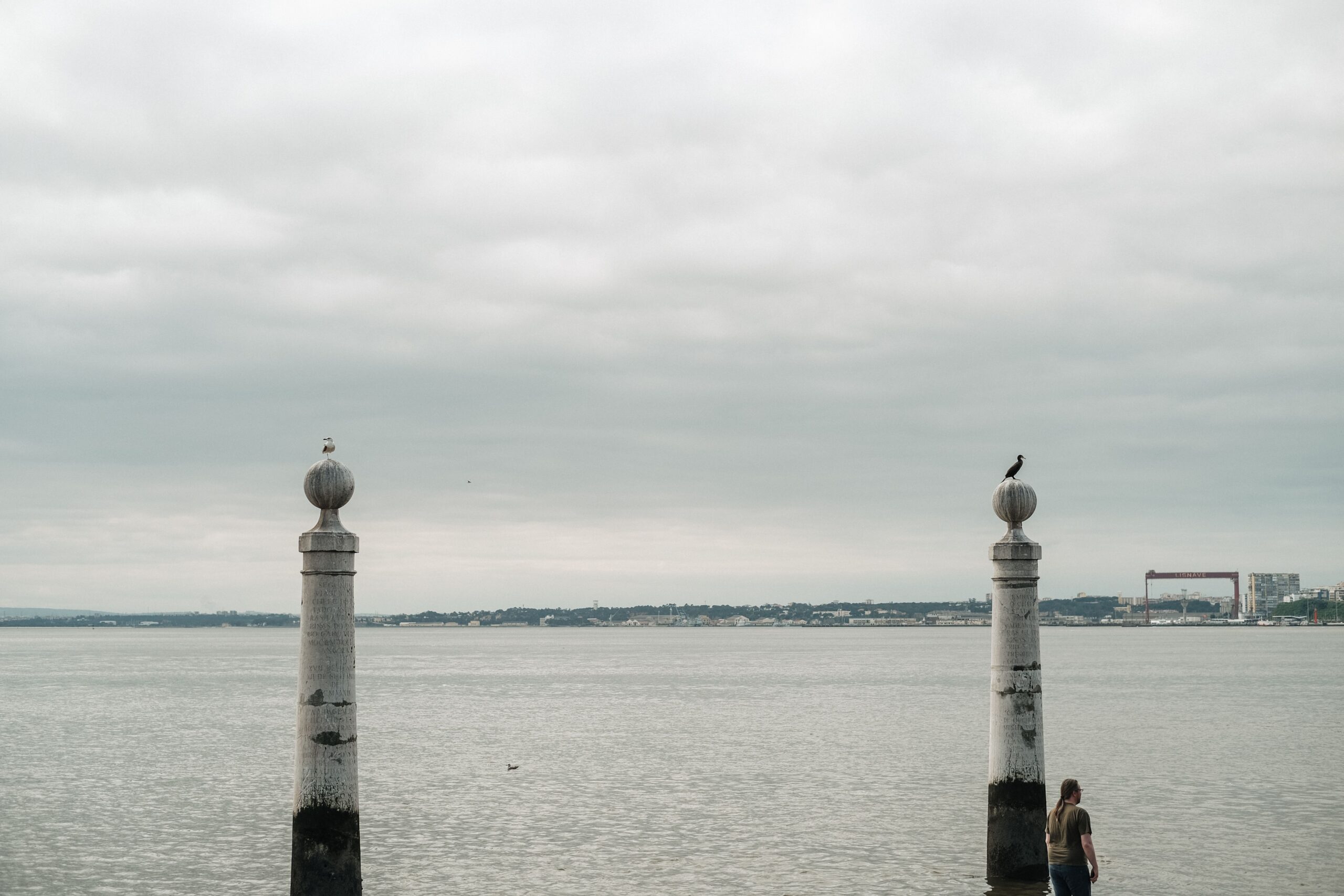
8. Tagus River Views – The Heart of Ancient Trade
The Tagus River wasn’t just scenic — it was the highway that made Lisbon important. The Phoenicians used it to:
Transport traded goods
Launch exploratory voyages
Reach Atlantic colonies
Today, one of the best ways to connect with this legacy is a river cruise, especially near sunset when Lisbon glows gold against the water.
9. Tasting Ancient Influence in Lisbon’s Cuisine
While menus have evolved dramatically, some Portuguese staples echo Phoenician culinary influence, including:
Olives and olive oil
Wine production
Salted and preserved fish
Mediterranean herbs and seasonings
Eating traditional Portuguese food feels like participating in a culinary tradition that has survived more than two millennia.
10. History Comes Alive at Cultural Festivals
Lisbon hosts numerous cultural events that celebrate its multicultural past. You’ll sometimes find:
Historical reenactments
Medieval fairs
Exhibits on Phoenician discoveries
Open-site archaeological days
Themed food and craft markets
Check local listings — you might stumble into a festival that brings ancient Lisbon vividly to life.

Stay Where Lisbon’s History Began
If you want to immerse yourself in the roots of Alis Ubo, choose accommodation in:
These areas keep you close to Lisbon’s oldest streets and archaeological sites.
Take a Dedicated Ancient Lisbon or Phoenician Tour
For travelers fascinated by archaeology, some guides specialize in:
Lisbon’s Phoenician excavations
The urban evolution from Alis Ubo to Roman Olisipo
Tagus-based maritime development
Hidden underground sites tourists don’t know exist
Private and small-group tours often provide access or information you simply won’t get visiting alone.
👉 Check Viator or GetYourGuide for specialized ancient Lisbon tours — perfect for history lovers who want more than a surface-level experience.
Why Phoenician Lisbon Still Matters Today
Exploring Lisbon through a Phoenician lens opens a different kind of travel experience. It shows that:
Lisbon’s global, outward-looking identity isn’t new — it’s ancient
The city was multicultural from the moment it began
The Tagus has always shaped Lisbon’s destiny
Every historic era built upon earlier layers, rather than erasing them
The modern city sits on top of a living archaeological palimpsest — and by seeking out Phoenician sites, you’re experiencing the original foundations of Lisbon’s personality.
Final Thoughts
The Phoenician legacy in Lisbon is subtle, layered, and deeply rewarding. Once you know where to look, clues appear everywhere:
In Alfama’s alleyways
Beneath Lisbon Cathedral
Along the banks of the Tagus
Inside the city’s museums
At excavation sites hidden beneath plazas
Exploring these places connects you to a chapter of history often overshadowed by later periods — but no less important. It was the Phoenicians who turned Lisbon into a trading hub, a maritime city, and a meeting point of cultures, setting the stage for everything that followed.
The farther back you look, the more Lisbon reveals how interconnected its story really is. I hope this piece helps you see the city beyond the familiar landmarks and appreciate just how far its heritage stretches — something that continues to keep me curious every time I learn more about it.
If you want to experience Lisbon beyond its postcards, start with the civilization that began the story.
👉 Ready to explore? Compare hotels, book tours, and secure river cruise tickets early to make the most of your Lisbon adventure!
About the author
I’m Duncan, a Lisbon-based guide and writer who’s lived here for 11 years and taken hundreds of visitors around the city. I created Lisbon Listicles to share everything you need to know about Lisbon in clear, practical lists — from iconic sights to hidden gems — so you can plan your trip easily and make the most of your time here.
All recommendations are based on personal experience and the questions I hear most often from visitors.
Leave a Reply