Disclosure: Some links in this article are affiliate links. If you book through them, I may earn a small commission at no extra cost to you. I only recommend places and experiences I genuinely think are worth it.
Lisbon has gone by many names over the centuries, and I’ve always found that fascinating. The more time I spent here—reading plaques, visiting museums, and noticing how locals refer to the city in different contexts—the more I realized how much history is wrapped up in those names and nicknames. This post is a slow journey through where Lisbon’s names come from and what they reveal about the city’s past, rather than a quick list of dates and facts.
👉 Want to understand how this fits into Lisbon’s wider story? Read my full guide.
Lisbon – Or Should I say LX?
Lisbon, the enchanting capital of Portugal, is one of Europe’s most exciting destinations. Known for its rich history, colorful neighborhoods, and sunlit charm, the city also carries a fascinating legacy of names. Each name or nickname reflects a moment in its long past, shaped by Phoenicians, Romans, Moors, Visigoths, and Portuguese rulers.
When you wander through Alfama’s winding alleys, ride the famous yellow trams, or stand in awe at the Miradouros (viewpoints), you’re walking through layers of history that have given Lisbon many different identities.
Let’s explore the names and nicknames of Lisbon, and discover what makes this city so unique.

Lisbon’s Names and Nicknames
1 . Alis Ubbo (Phoenician)
The earliest known name for Lisbon was Alis Ubbo, meaning “safe harbor” in Phoenician. You’ll see this name referenced in historical records.
Around 1200 BCE, seafaring traders recognized the strategic location where the Tagus River meets the Atlantic Ocean. This ancient connection to the sea still defines Lisbon.
2. Olissipo (Roman)
When the Romans arrived, they called the city Olissipo. Under Roman rule, Lisbon flourished with theaters, aqueducts, and marketplaces. Though much of it is hidden today, you can still explore the remains of the Roman Theatre and underground ruins beneath downtown.
You’ll still spot this name on plaques around the city.
3. Olissipona (Visigothic)
After the fall of Rome, the Visigoths ruled the Iberian Peninsula and referred to Lisbon as Olissipona. This name was essentially a continuation of the Roman Olissipo, showing how the Visigoths adopted many Roman traditions, including Latinized names.
Although fewer traces of Visigothic Lisbon remain compared to Roman or Moorish times, this period acted as a cultural bridge between antiquity and the medieval era.
4. Al-Ushbuna (Moorish)
In the 8th century, the Moors gave Lisbon the name Al-Ushbuna, “the city of the waters.” It made more sense once I saw it in context. They introduced new architecture, traditions, and a deep cultural influence that shaped Lisbon’s old quarters.
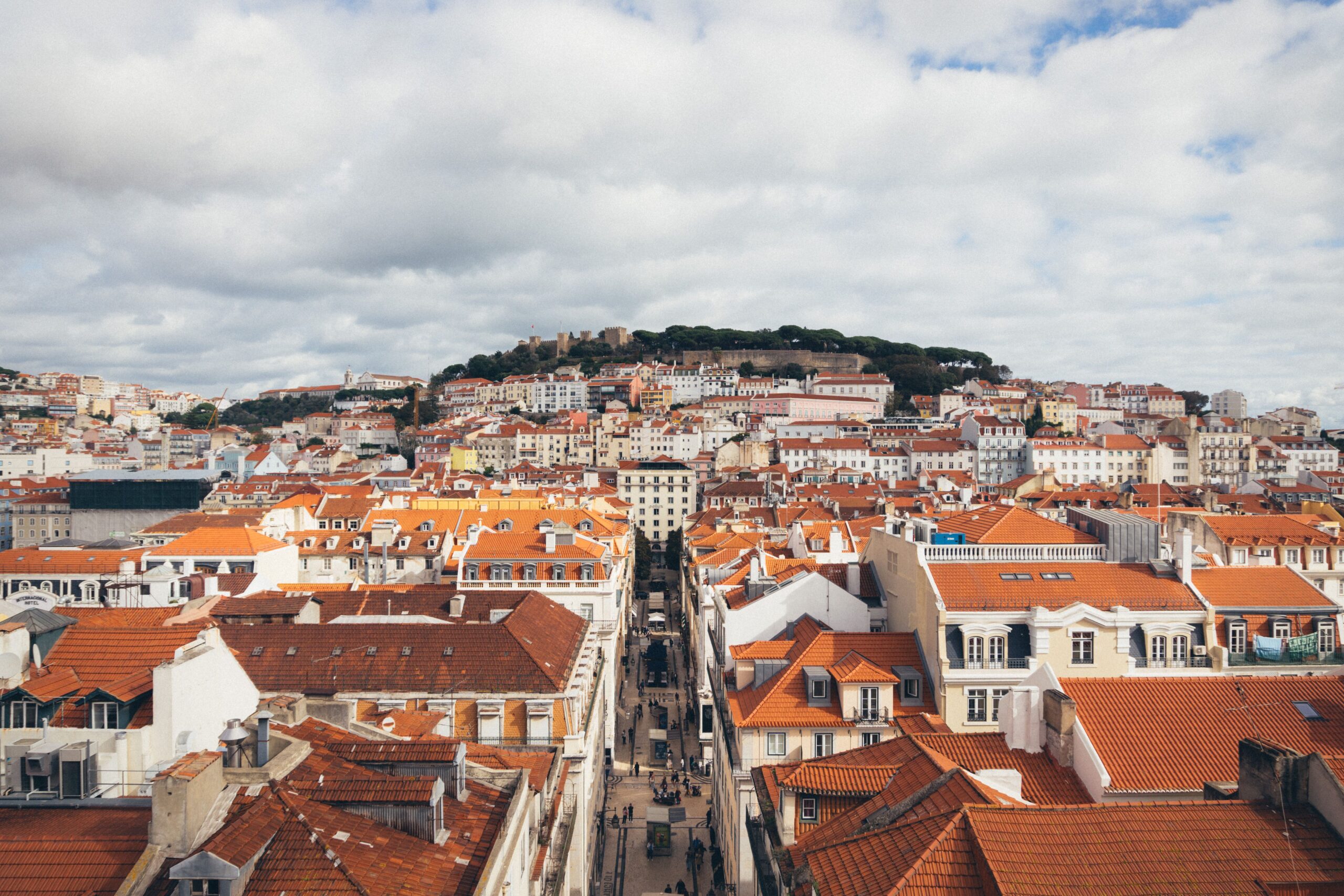
The most iconic symbol of this era is the Castle of São Jorge, perched on a hilltop with breathtaking views. Exploring the castle is a highlight for many visitors.
👉 Save time by securing your entry in advance with a Skip-the-Line Ticket to São Jorge Castle.
5. Lixbuna / Lisboa (Portuguese)
After the Christian Reconquista in 1147, the city’s name evolved to Lixbuna and eventually became Lisboa, the modern Portuguese name. This marked Lisbon’s transformation into the capital of a rising kingdom.
Today, Lisboa is alive with Fado music, cozy taverns serving bacalhau, and vibrant districts like Bairro Alto and Chiado.
6. The City of Seven Hills
Lisbon is famously called the “City of Seven Hills.” These hills shape the city’s personality, from its steep cobblestone streets to its spectacular viewpoints. Popular miradouros like Senhora do Monte and Santa Catarina offer sweeping panoramas that are perfect for sunset photos.
To make exploring easier (and less exhausting on foot), consider riding the iconic Tram 28, which winds its way through many of these hilly neighborhoods.
7. The City of Light
Lisbon is often referred to as the “City of Light” because of its glowing sunshine, reflected off the azulejos (ceramic tiles) and the Tagus River. Artists and photographers have long been inspired by Lisbon’s unique radiance, which gives the city a magical atmosphere.
8. The White City
Another poetic nickname is “The White City.” This comes from the way sunlight bounces off Lisbon’s limestone buildings, bathing the city in a bright, almost dazzling glow. Standing at one of the viewpoints, you’ll understand why Lisbon feels like it shimmers under the sun.
9. LX
In modern culture, Lisbon is often called LX, a shorthand abbreviation that locals use with pride. You’ll notice it in trendy spots like LX Factory, a creative hub filled with restaurants, bars, boutiques, and street art—a perfect place to experience Lisbon’s contemporary side.

Beyond Nicknames: Lisbon’s Timeless Charm
No matter what you call it—Alis Ubbo, Olissipo, Olissipona, Lisboa, or LX—Lisbon has always been a city of resilience, beauty, and reinvention.
For travelers today, Lisbon offers:
History: Ancient ruins, Moorish castles, and Gothic monasteries.
Culture: Traditional Fado, lively festivals, and world-class museums.
Food: From custard tarts (pastéis de nata) to seafood feasts.
Adventure: Tram rides, river cruises, and day trips to nearby gems.
👉 If you’re extending your stay, don’t miss a Day Trip to Sintra and Cascais.
These destinations, just outside Lisbon, are famous for fairytale palaces, dramatic coastal views, and lush gardens—perfect complements to your Lisbon adventure.
And of course, every great trip begins with the right place to stay.
Lisbon: A City of Many Names, One Unique Identity
Looking at Lisbon through its names and nicknames adds another layer to the city. They’re small details, but they quietly reflect centuries of change, influence, and identity—and once you notice them, you start seeing Lisbon a little differently.
Lisbon’s many names tell the story of a city that has welcomed different cultures, survived conquests, and thrived as a European capital. Whether you’re standing in a Roman ruin, gazing from a castle wall, or sipping coffee in a modern LX Factory café, you’re part of a story that stretches back thousands of years.
One thing is certain: Lisbon will leave you with a name of your own for it—unforgettable.
About the author
I’m Duncan, a Lisbon-based guide and writer who’s lived here for 11 years and taken hundreds of visitors around the city. I created Lisbon Listicles to share everything you need to know about Lisbon in clear, practical lists — from iconic sights to hidden gems — so you can plan your trip easily and make the most of your time here.
All recommendations are based on personal experience and the questions I hear most often from visitors.
Leave a Reply