Disclosure: Some links in this article are affiliate links. If you book through them, I may earn a small commission at no extra cost to you. I only recommend places and experiences I genuinely think are worth it.
The first time I truly listened to Carlos do Carmo, I understood why so many people call him the voice of Lisbon. There’s something in his tone — measured, melancholic, proud — that feels inseparable from the city itself. Over the years, I’ve revisited his recordings, read biographies and interviews, and spoken with fado lovers who saw him perform live. The more I learned, the clearer it became that his legacy goes far beyond music.
In this guide, I’m sharing 10 fascinating facts about Carlos do Carmo — stories that reveal not only the man behind the voice, but also the Lisbon that shaped him and the cultural impact he left behind.
Carlos do Carmo
If you’re planning a trip to Lisbon, there’s one cultural experience that truly unlocks the city’s soul: fado music. And when it comes to fado, one name stands above the rest—Carlos do Carmo.
Often described as the voice of Lisbon, Carlos do Carmo wasn’t just a singer. He was a storyteller, a cultural ambassador, and a lifelong guardian of Portugal’s most emotional art form. His music captures the feeling of Lisbon’s narrow streets, golden sunsets, and quiet melancholy better than any guidebook ever could.
Whether you’re visiting Lisbon for the first time or returning for another deep dive into Portuguese culture, these 10 fascinating facts about Carlos do Carmo will help you understand fado, Lisbon, and why this city leaves such a lasting impression on travelers.
👉 Want to experience the true soul of Lisbon? Check out my ultimate guide to fado in Lisbon and the city’s best live music spots.

10 Fascinating Facts About Carlos do Carmo, the Voice of Lisbon
1. Carlos do Carmo Was Born Into Fado Royalty
Born in Lisbon in 1939, Carlos do Carmo’s destiny was deeply intertwined with fado from the very beginning. His mother, Lucília do Carmo, was one of the most respected fado singers of the 20th century and owned a famous fado house in the city.
He grew up in Mouraria, widely regarded as the birthplace of fado, where music flowed through taverns, courtyards, and family gatherings. From an early age, Carlos absorbed the emotional weight, poetic lyrics, and raw storytelling that define traditional fado.
2. He Helped Modernize Traditional Fado (Without Losing Its Soul)
Fado is rooted in tradition, but Carlos do Carmo understood that for it to survive, it had to evolve. While respecting its core, he introduced orchestral arrangements, collaborated with contemporary Portuguese poets, and even blended subtle jazz and classical influences into his work.
His groundbreaking album Um Homem na Cidade (“A Man in the City”) is widely considered a turning point in modern fado music. Instead of focusing only on heartbreak and longing, it painted a broader portrait of Lisbon as a living, breathing city.
🎧 If you listen to just one song, make it “Lisboa Menina e Moça”—a musical love letter that many locals consider an unofficial anthem of Lisbon.
3. His Voice Became the Soundtrack of Lisbon
Some artists define a place. Carlos do Carmo defined Lisbon.
His deep, expressive baritone feels inseparable from:
Listening to his music feels like wandering Lisbon after dark—nostalgic, emotional, and intimate.
4. He Represented Portugal at Eurovision
In 1976, Carlos do Carmo represented Portugal at the Eurovision Song Contest with “Uma flor de verde pinho.” While Eurovision isn’t known for subtlety, his performance stood out for its emotional depth and unmistakably Portuguese identity.
Although he didn’t win, the performance introduced many international viewers to Portuguese music—and to the haunting beauty of fado—for the first time.
For Lisbon travelers today, it’s a reminder that this city’s music has always spoken quietly, but powerfully.
5. He Became the First Portuguese Artist to Win a Latin Grammy Lifetime Achievement Award
In 2014, Carlos do Carmo made history by becoming the first Portuguese artist to receive a Latin Grammy Lifetime Achievement Award.
This wasn’t just a personal honor—it was global recognition of fado as a serious musical art form and Lisbon as one of Europe’s great cultural capitals.
For visitors, it reinforces why fado isn’t just entertainment—it’s an essential part of understanding Portuguese identity.
6. He Was a Civic and Cultural Ambassador for Lisbon
Carlos do Carmo didn’t limit his influence to the stage. He was deeply involved in Lisbon’s civic life, advocating for:
Cultural preservation
Arts education
Public radio and broadcasting
🏛️ He was also a key supporter of fado’s successful recognition as UNESCO Intangible Cultural Heritage in 2011—a milestone that helped protect fado for future generations.
7. His Farewell Tour Was a Historic Moment for Lisbon
In 2019, at age 80, Carlos do Carmo announced his retirement with a farewell tour titled Obrigado (“Thank You”). His final Lisbon concert took place at the legendary Coliseu dos Recreios, a venue deeply tied to the city’s artistic history.
The concert wasn’t just a goodbye—it felt like a collective thank-you from Lisbon to one of its greatest voices.
🎟️ Today, visitors can still attend concerts, shows, or guided visits at historic Lisbon venues—many of which are included in Lisbon nightlife and cultural experiences.
8. He Opened the Door for a New Generation of Fado Artists
Modern fado stars like Mariza, Camané, and Ana Moura frequently credit Carlos do Carmo as a major influence. He proved that fado could grow, adapt, and reach global audiences—without losing its emotional core.
Because of him, today’s Lisbon fado scene feels alive, relevant, and accessible to younger audiences and travelers alike.
📌 Want to hear modern fado live? Venues like Clube de Fado and Casa de Linhares offer intimate performances that blend tradition with contemporary style.
9. His Legacy Lives On in Lisbon’s Neighborhoods
Carlos do Carmo’s presence is still felt across the city. Murals, plaques, and tributes honor his life, and in 2021, Lisbon named Jardim Carlos do Carmo in Campo de Ourique, the neighborhood where he was born.
This quiet garden is a lovely stop for travelers who enjoy discovering places beyond Lisbon’s busiest attractions.
🗺️ It fits beautifully into a self-guided Lisbon walking tour, especially if you’re exploring local neighborhoods.
10. His Music Is the Most Meaningful Lisbon Souvenir
Forget keychains and ceramic sardines—one of the most meaningful Lisbon souvenirs you can take home is a Carlos do Carmo album.
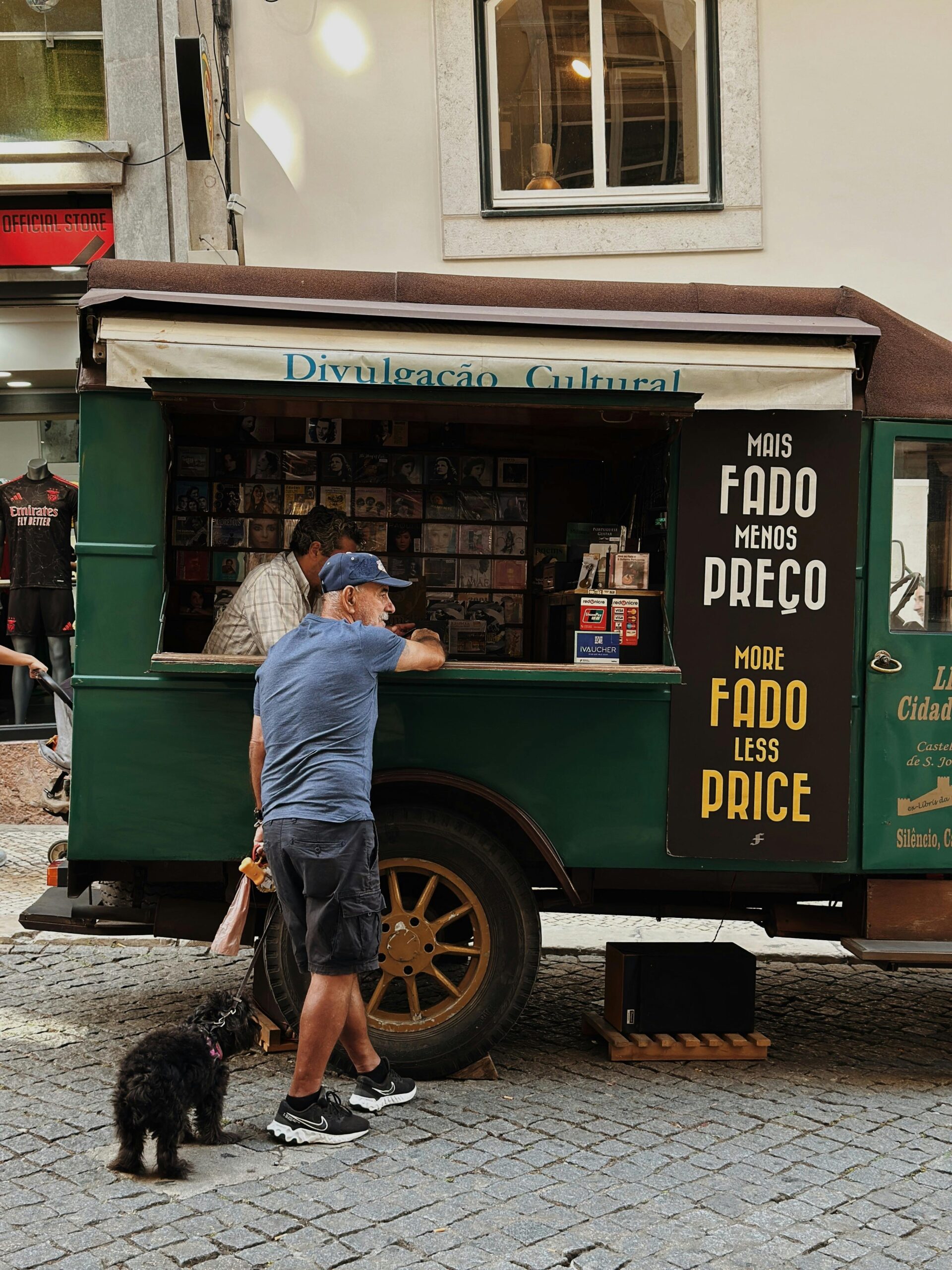
His recordings capture the emotional landscape of Lisbon in a way that photos never quite can. Many travelers discover his music after visiting the Museu do Fado or browsing Lisbon’s independent record stores.
💡 His music is the kind of souvenir that grows more meaningful long after your trip ends.

Bonus: How to Experience Carlos do Carmo’s Lisbon Today
If this story inspired you, here are a few meaningful ways to experience his Lisbon in real life:
👉 Stay in Alfama or Mouraria, where fado still echoes through the streets
👉 Book a fado dinner show for an intimate evening experience
Visit the Museu do Fado to understand the music before hearing it live
👉 Tip: These experiences are especially popular during peak travel seasons, so planning ahead can make the difference between “maybe” and unforgettable.
Final Thoughts: Why Every Lisbon Visitor Should Know Carlos do Carmo
To understand Lisbon, you must understand fado. And to understand fado, you must listen to Carlos do Carmo.
His music isn’t just something you hear—it’s something you feel. It’s the emotional thread that connects Lisbon’s past and present, its neighborhoods and people, its joy and longing.
So before your next pastel de nata, sunset viewpoint, or tram ride, press play on a Carlos do Carmo song. You’ll experience Lisbon not just as a destination—but as a living story.
For me, discovering Carlos do Carmo’s story deepened my connection to Lisbon in a way few things have. His music carries the city’s soul — its nostalgia, resilience, and quiet strength.
I hope these facts inspire you to press play, listen closely, and experience Lisbon the way he sang it — with feeling, history, and heart.
About the author
I’m Duncan, a Lisbon-based guide and writer who’s lived here for 11 years and taken hundreds of visitors around the city. I created Lisbon Listicles to share everything you need to know about Lisbon in clear, practical lists — from iconic sights to hidden gems — so you can plan your trip easily and make the most of your time here.
All recommendations are based on personal experience and the questions I hear most often from visitors.
Leave a Reply