Disclosure: Some links in this article are affiliate links. If you book through them, I may earn a small commission at no extra cost to you. I only recommend places and experiences I genuinely think are worth it.
When I first wandered through Lisbon’s historic docks and warehouses, I was struck by how much the city feels alive with stories of trade and exploration. Spices weren’t just commodities — they were power, wealth, and influence, and Lisbon was at the center of it all. Over time, I’ve dug into archival maps, maritime records, and accounts from historians to understand how this city shaped global commerce long before globalization was a buzzword.
This guide explores Lisbon’s pivotal role in the spice trade, highlighting the people, ports, and markets that fueled a worldwide network — and why traces of that era still shape the city’s streets and culture today.
Spicy Lisbon
At first glance, Lisbon feels relaxed, almost sleepy—sun-washed viewpoints, rattling trams, tiled façades, and a river that glows gold at sunset. But this calm exterior hides a past that once shook the world. During the Age of Discovery, Lisbon became the operational heart of the global spice trade, controlling the flow of black pepper, cinnamon, nutmeg, cloves, ginger, and later chili peppers into Europe.
For over a century, Lisbon wasn’t just another port city—it was the place where global routes converged, fortunes were made, and power was negotiated. The spices that arrived here reshaped European diets, funded empires, inspired architecture, and helped launch what we now recognize as early globalization.
This guide explores Lisbon’s role in the spice trade in exhaustive detail—and, crucially, shows how travelers today can still experience this legacy through architecture, museums, neighborhoods, food, and immersive activities.
☝️ If you want Lisbon to feel meaningful—not just pretty—this is one of the most important stories to understand. Staying near the historic waterfront, visiting key monuments with context, or joining a guided experience can completely change how you see the city.
🧭 What Was the Spice Trade, Really?
The spice trade was not just about flavor. In the medieval and early modern world, spices were strategic commodities.
They were used to:
-
Preserve food before refrigeration
-
Treat illnesses and create medicines
-
Produce perfumes and incense
-
Demonstrate wealth, power, and global reach
Spices such as pepper, cinnamon, and cloves were worth their weight in gold. Control over spice routes meant control over markets, politics, and diplomacy.
Before Portugal’s rise, spices reached Europe through long chains of intermediaries:
-
Indian producers
-
Arab and Persian traders
-
Venetian merchants
Each step increased prices dramatically. Portugal’s revolutionary idea was to eliminate the middlemen by reaching Asia by sea.
Why Lisbon Was Perfectly Positioned to Dominate the Spice Trade
Lisbon’s rise wasn’t accidental.
Geographic Advantages
A deep natural harbor on the Tagus River
Direct access to the Atlantic Ocean
Proximity to Africa, Europe, and emerging Atlantic routes
Technical and Intellectual Infrastructure
By the late 15th century, Lisbon was already a center of:
Shipbuilding
Navigation
Cartography
Astronomical research
When Vasco da Gama reached India in 1498, Lisbon was ready to exploit the opportunity at scale.
From that moment on, Lisbon became Europe’s primary gateway to Asia.

Lisbon and the Spice Trade: A Comprehensive Breakdown
1. Lisbon Became Europe’s Main Entry Point for Spices
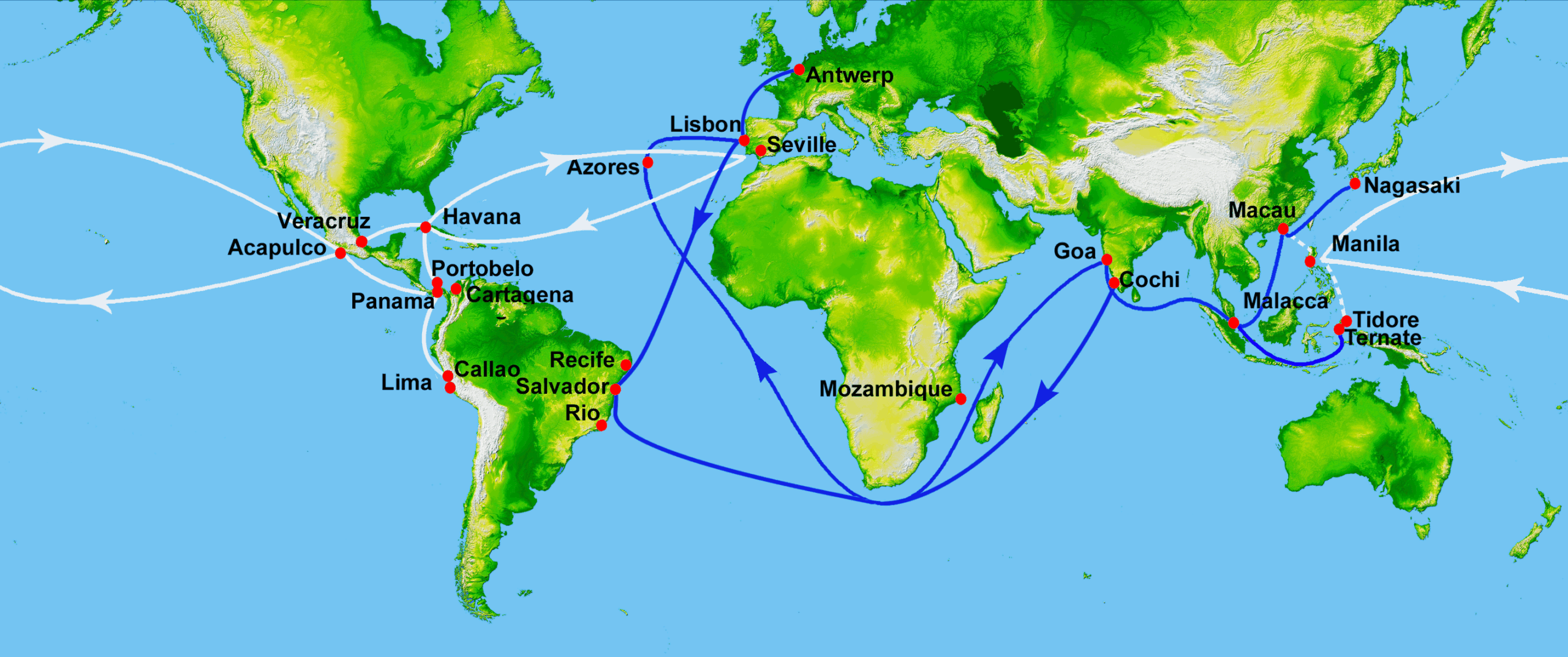
Portugal established the Carreira da Índia, an annual maritime route connecting Lisbon to key Asian spice ports including Goa, Cochin, Calicut, and Malacca.
Each year:
Fleets left Lisbon in spring
Voyages lasted 12–18 months
Mortality rates were high
Profits were enormous
When ships returned, Lisbon transformed into a hive of activity. Warehouses filled with spice sacks, royal officials inspected cargo, and merchants from across Europe flooded the city.
Most arrivals occurred near today’s Belém district—making it one of the most historically significant areas for visitors interested in the spice trade.
2. The Casa da Índia: Lisbon’s Trade Nerve Center
Founded in 1500, the Casa da Índia was one of the most sophisticated trading institutions of its time. Based in Lisbon, it oversaw:
-
All Asian trade
-
Licensing and pricing
-
Customs and taxation
-
Naval logistics
No spice entered Europe legally without passing through this institution. This allowed Lisbon to control supply, stabilize prices, and dominate markets.
The revenue generated funded:
-
Military fleets
-
Colonial administration
-
Monumental construction
-
Scientific advancement
3. How Spice Profits Shaped Lisbon’s Architecture
Manueline Architecture Explained
The Manueline style, unique to Portugal, is one of the most visible legacies of the spice trade. Financed by spice wealth, it incorporates maritime motifs into Gothic structures.
Common symbols include:
-
Nautical ropes and knots
-
Coral and sea plants
-
Exotic flora from Asia and Africa
-
Armillary spheres (navigation tools)
Key Spice-Funded Monuments
-
Jerónimos Monastery – a stone encyclopedia of maritime symbolism
-
Belém Tower – ceremonial gateway for departing and returning fleets
-
Ribeira Palace – once Lisbon’s royal center (destroyed in 1755)
Walking through these monuments is like reading Lisbon’s spice trade carved into stone.
4. Lisbon as Europe’s Spice Price Authority
By the early 16th century, Lisbon controlled up to 75% of Europe’s pepper imports. Merchants from:
-
Antwerp
-
Florence
-
Genoa
-
London
…relied on Lisbon’s markets to set prices.
Lisbon functioned as a proto–financial capital, centuries before modern stock exchanges.
5. Military Power and the Protection of Trade Routes
Portugal enforced its spice monopoly through force. From Lisbon, fleets were dispatched to:
-
Control Indian Ocean choke points
-
Fortify ports like Goa, Malacca, and Mozambique
-
Suppress rival traders
The spice trade shaped Portugal’s foreign policy and colonial expansion more than any other factor.
6. How the Spice Trade Changed Lisbon’s Daily Life
Cuisine: The Most Lasting Legacy
Lisbon’s food culture absorbed global flavors that still define Portuguese cuisine today.
Spices became integral to:
-
Piri-piri chicken
-
Chouriço and cured meats
-
Arroz doce topped with cinnamon
-
Pastéis de nata, often dusted with spice
Many visitors don’t realize that what feels “traditional” is actually the result of centuries of global exchange.
Medicine, Religion, and Daily Goods
Spices were also used in:
-
Apothecaries
-
Home remedies
-
Incense and rituals
-
Perfumes and cosmetics
7. The Casa da Guiné and Lisbon’s African Trade Foundations
Before Asia, Lisbon managed West African trade via the Casa da Guiné. This included:
-
Gold
-
Ivory
-
Tropical spices
-
Enslaved people (a tragic but essential part of the story)
This system provided the logistical framework later used in the spice trade.
8. A Cultural and Scientific Renaissance Powered by Spices
Spice wealth transformed Lisbon into a center of:
-
Cartography
-
Astronomy
-
Ship design
-
Navigation science
Knowledge generated in Lisbon influenced global exploration for generations.
9. The Decline of Lisbon’s Spice Monopoly
By the 17th century, Portugal faced fierce competition from:
-
The Dutch East India Company
-
The English East India Company
While Lisbon lost its monopoly, its architectural and cultural legacy remained intact.

Experiencing Lisbon’s Spice Trade Legacy Today
For modern travelers, this history is not abstract—it’s tangible.
You can:
-
Walk along the Tagus River where fleets arrived
-
Visit Jerónimos Monastery and decode its symbolism
-
Explore the Maritime Museum
-
Tour Belém Tower
-
Eat spice-infused dishes in traditional restaurants
Recommended Ways to Experience This History
These experiences genuinely enhance understanding:
👉 Belém Maritime Walking Tours
Ideal for contextualizing monuments and the riverfront.
👉 Jerónimos Monastery & Belém Tower Guided Visits
Experts explain symbols most visitors miss.
See Lisbon from the water that defined its rise.
Learn spice-based recipes rooted in maritime trade.
Essential for understanding navigation and trade.
Historically rich neighborhoods with easy access to key sites.
Palaces funded by maritime wealth make sense in this broader story.
❓ Frequently Asked Questions About Lisbon and the Spice Trade
❓ Why was Lisbon so important in the spice trade?
Lisbon became crucial to the spice trade after Portugal discovered a direct sea route to India in the late 15th century. By bypassing traditional land routes controlled by Arab and Venetian merchants, Portugal gained direct access to Asian spices. Lisbon’s deep harbor, Atlantic position, and advanced navigation knowledge turned it into Europe’s main entry point for spices like pepper, cinnamon, and cloves.
❓ Which spices were most important to Lisbon’s economy?
The most valuable spices entering Lisbon included black pepper, cinnamon, nutmeg, cloves, and ginger. Later, chili peppers (piri-piri) arrived via Africa and became deeply embedded in Portuguese cuisine. Among these, pepper was the single most economically significant spice, with Lisbon handling the majority of Europe’s supply during the early 1500s.
❓ What is the Casa da Índia, and can you visit it today?
The Casa da Índia was a royal institution based in Lisbon that controlled all Portuguese trade with Asia. It regulated spice imports, set prices, issued licenses, and collected taxes. While the original building no longer exists in its original form, its functions and influence are explained through museums, archives, and guided historical tours in Lisbon—especially those focused on the Age of Discovery.
❓ Which Lisbon monuments were built using spice trade wealth?
Several of Lisbon’s most famous landmarks were financed directly by spice trade profits, including:
Jerónimos Monastery
Belém Tower
Parts of the former Ribeira Palace
These monuments are prime examples of Manueline architecture, a Portuguese style filled with maritime and spice-era symbolism.
❓ Where can I see spice trade history in Lisbon today?
Travelers can experience Lisbon’s spice trade legacy in multiple places:
Belém, the historic departure and arrival point for spice fleets
The Maritime Museum, with maps, ship models, and spice chests
Jerónimos Monastery, rich in maritime carvings
The Tagus River waterfront, where ships once unloaded spices
Combining these sites with guided tours or river cruises provides the most complete understanding.
❓ How did the spice trade influence Portuguese food?
The spice trade permanently transformed Portuguese cuisine. Ingredients like cinnamon, pepper, cloves, and piri-piri chili became central to both everyday cooking and festive dishes. Popular foods such as pastéis de nata, arroz doce, piri-piri chicken, and cured meats all reflect Lisbon’s historic access to global spices.
❓ Why did Lisbon lose its dominance in the spice trade?
By the 17th century, Portugal faced strong competition from the Dutch East India Company and the English East India Company, which captured key ports and trade routes. Lisbon’s monopoly declined, and global spice trade centers shifted toward Amsterdam and London. However, Lisbon retained its architectural wealth and cultural legacy from its earlier dominance.
❓ Is Belém the best area to stay to explore spice trade history?
Yes—Belém is one of the best neighborhoods for travelers interested in Lisbon’s maritime and spice trade history. It’s home to major monuments, museums, and riverfront sites connected to the Age of Discovery. Staying nearby allows you to explore these landmarks early or late in the day, when they’re less crowded.
Final Thoughts: Seeing Lisbon Through the Lens of the Spice Trade
Lisbon’s role in the spice trade is easy to overlook at first. The city feels calm today—almost leisurely—but centuries ago it was one of the most important economic and strategic hubs on the planet. From the docks along the Tagus River, spices flowed into Europe, fortunes were built, and global trade networks were reshaped forever.
Understanding this history changes how you experience Lisbon. Belém Tower becomes more than a photogenic monument—it becomes a ceremonial gateway for ships returning from India. Jerónimos Monastery transforms from an architectural masterpiece into a stone record of maritime ambition and spice-fueled wealth. Even everyday experiences, like tasting cinnamon-dusted pastries or spicy grilled chicken, carry deeper meaning once you know where those flavors came from.
What makes Lisbon especially compelling is that this history isn’t locked away in textbooks or museums alone. It’s still woven into the city’s neighborhoods, cuisine, riverfront, and monuments. You don’t need to imagine the spice trade here—you can walk it, taste it, and trace it across the city.
In many ways, Lisbon was one of the world’s first global cities. Its spice trade connected continents, cultures, and cuisines long before globalization had a name. And for travelers today, that legacy remains one of the most rewarding stories the city has to tell.
For me, learning about Lisbon’s spice trade transformed the way I see the city. It’s not just picturesque hills and tiled façades — it’s a place that once connected continents, flavors, and fortunes.
I hope this post helps you appreciate the depth behind the city’s charm. Because once you understand Lisbon’s role in global trade, every market, every street, and every port tells a story far bigger than the city itself.
About the author
I’m Duncan, a Lisbon-based guide and writer who’s lived here for 11 years and taken hundreds of visitors around the city. I created Lisbon Listicles to share everything you need to know about Lisbon in clear, practical lists — from iconic sights to hidden gems — so you can plan your trip easily and make the most of your time here.
All recommendations are based on personal experience and the questions I hear most often from visitors.
Leave a Reply