Disclosure: Some links in this article are affiliate links. If you book through them, I may earn a small commission at no extra cost to you. I only recommend places and experiences I genuinely think are worth it.
Lisbon is a city I deeply admire — its beauty, culture, and layered history are part of what keeps me here. But loving a place also means being willing to look at its past honestly, including the parts that are difficult to confront. When I began researching Lisbon’s role in the transatlantic slave trade, I realized how essential this history is to understanding not just Portugal, but the modern world.
I’ve spent time reading academic research, visiting museums and memorials, and speaking with historians to better understand the scope and impact of this period. This guide shares 10 important facts every traveler should know — presented thoughtfully and based on credible historical sources — to help provide context rather than sensationalism.
👉 Looking for a deeper dive into Lisbon’s cultural heritage?
Lisbon and the Slave Trade
Lisbon is often described as one of Europe’s most beautiful capitals—a city of light, color, and nostalgia. Visitors come for the historic trams, the tiled façades, the miradouros overlooking the Tagus River, and the romance of faded grandeur.
But Lisbon is also a city shaped by silence.
For centuries, Lisbon was one of the most important European centers of the transatlantic slave trade, a role that profoundly influenced its economy, architecture, and global power. This history is rarely foregrounded in mainstream travel narratives, yet it remains embedded in Lisbon’s streets, monuments, churches, and waterfront.
This article is a guide that connects history, geography, and present-day travel experiences. If you want to understand Lisbon beyond the postcard version, these 10 facts about Lisbon’s role in the slave trade are essential.
Why This History Matters When You Visit Lisbon
Travel shapes how history is remembered—or forgotten. When uncomfortable histories are ignored, cities risk becoming aesthetic backdrops rather than lived places with human stories.
Understanding Lisbon’s role in the slave trade:
Adds historical depth to famous landmarks
Honors the lives of enslaved Africans erased from official narratives
Encourages ethical and conscious travel
Helps visitors understand modern Lisbon’s cultural diversity
This guide links the past to places you can still walk past today.

Lisbon’s Role in the Slave Trade: 10 Facts Every Traveler Should Know
1. Lisbon Was One of Europe’s First Cities to Import Enslaved Africans
Portugal pioneered Europe’s involvement in the enslavement of Africans. In 1444, the first documented public slave market in Europe opened in Lagos, in southern Portugal. Within a few decades, Lisbon became Portugal’s primary slave-trading hub.
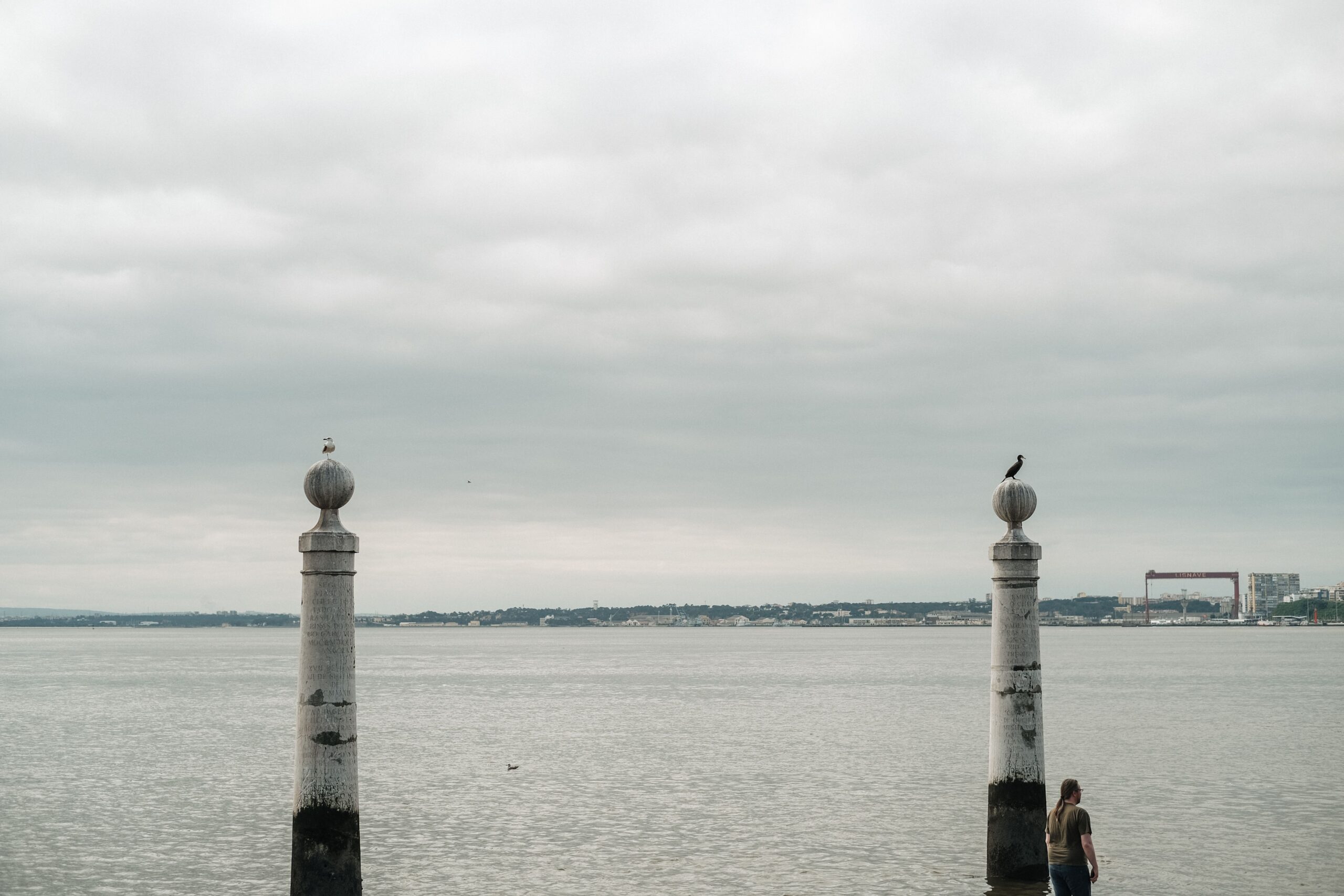
Enslaved Africans were brought directly into Lisbon’s urban core. Ships docked along the Tagus River near what is now Praça do Comércio, where captives were unloaded, inspected, and sold.
Public auctions took place in central spaces like Largo do Pelourinho, once a civic center and place of punishment. These were not hidden events—they were public spectacles embedded in everyday city life.
2. By the 1500s, Nearly 10% of Lisbon’s Population Was African or Afro-Descendant
By the mid-16th century, approximately 10% of Lisbon’s population was African or Afro-descendant, making it one of the most racially diverse cities in Europe at the time.
This community included:
Enslaved Africans
Free Black residents
Second-generation Afro-Portuguese
They worked across the city as dockworkers, builders, cooks, wet nurses, artisans, and street vendors. Lisbon’s daily functioning depended heavily on African labor, yet their contributions were systematically minimized or erased from historical records.
3. The Tagus River Was a Major Entry Point in the Slave Trade
The Tagus River—today synonymous with beauty and leisure—was once one of Europe’s most active slave disembarkation zones.
Ships arriving from Angola, Guinea-Bissau, Cape Verde, and São Tomé docked near:
Campo das Cebolas
Ribeira das Naus
Survivors of the Middle Passage were often sold within days or transported onward to Brazil, Portugal’s most profitable colony.
👉 Staying near Lisbon’s historic waterfront makes it easier to explore these areas thoughtfully—Booking.com is particularly helpful for finding hotels in Baixa, Alfama, and Cais do Sodré.
4. Lisbon Was a Financial Engine of the Triangular Slave Trade
Lisbon played a central role in the triangular trade, which connected Europe, Africa, and the Americas:
European weapons, textiles, and goods sent to Africa
Enslaved Africans transported across the Atlantic
Sugar, gold, tobacco, and coffee shipped back to Lisbon
This system fueled Lisbon’s wealth, financed imperial expansion, and supported Portugal’s global ambitions—while causing widespread human suffering.
5. Lisbon’s Iconic Monuments Were Built on Colonial Slave Wealth
Many of Lisbon’s most admired landmarks were funded by profits extracted from enslaved labor overseas, particularly in Brazil.
Key examples include:
Jerónimos Monastery, financed by Brazilian sugar revenues
Belém Tower, symbolizing Portugal’s maritime empire
São Roque Church, home to one of Europe’s most opulent interiors
These monuments remain architectural masterpieces—but they are also physical expressions of colonial exploitation.
6. The Catholic Church Was a Slaveholder in Lisbon
The Catholic Church in Lisbon was deeply embedded in the system of slavery. Many churches, convents, and monasteries owned enslaved Africans who worked as domestic servants, gardeners, builders, and maintenance staff.
Although enslaved people were often baptized, baptism rarely resulted in freedom. Churches such as São Domingos, near Rossio Square, are key sites for understanding how religious institutions benefitted from—and normalized—slavery.
7. African Influence Continues to Shape Lisbon’s Identity
African heritage in Lisbon did not disappear—it evolved.
You can still see it in:
Language: words like cafuné and moleque
Music: African rhythms woven into fado
Food: stews, beans, spices, and tropical ingredients
Modern Afro-Portuguese communities continue to shape Lisbon’s cultural landscape through music, art, activism, and cuisine.
8. A 17th-Century Slave Cemetery Was Discovered Beneath Lisbon
In 2009, construction near Praça da Figueira uncovered over 150 human remains, identified as part of a 17th-century slave burial ground.
The individuals were buried without ceremony or recognition. While the remains were studied, the site has not yet become a permanent memorial—highlighting how much of Lisbon’s reckoning with its past remains unfinished.
9. Lisbon Is Planning a Memorial to the Victims of Slavery
Lisbon has yet to fully confront its role in the transatlantic slave trade, but change is underway. The city has approved plans for a Memorial to the Victims of Slavery, designed by Angolan artist Kiluanji Kia Henda. Originally proposed for Campo das Cebolas, the site has since been moved to Ribeira das Naus, near the Tagus River.
As of now, the memorial has not yet been built, but once completed, it will offer a powerful public tribute to the enslaved Africans who passed through Lisbon’s ports.
10. African Heritage Walking Tours Offer the Most Meaningful Learning
One of the most impactful ways to understand this history is through African heritage walking tours led by historians, educators, and members of Portugal’s African diaspora.
These tours often include:
Former slave markets
Old port districts
Mouraria and Alfama
Civic punishment sites

❓FAQs: Lisbon, Slavery, and African Heritage
❓ What role did Lisbon play in the transatlantic slave trade?
Lisbon was one of Europe’s earliest and most important slave-trading hubs. From the 15th century onward, enslaved Africans were brought to Lisbon from West and Central Africa, sold in public markets, and redistributed across Portugal and its colonies—especially Brazil.
Portugal’s global empire meant Lisbon functioned as a logistical, financial, and administrative center for the transatlantic slave trade for centuries.
❓ When did slavery begin in Lisbon?
Slavery in Lisbon expanded rapidly in the mid-1400s, following Portuguese maritime exploration along the African coast. By the late 15th century, enslaved Africans were a visible and integral part of daily life in the city.
Lisbon became one of the first European capitals where slavery was institutionalized at scale.
❓ Where were enslaved Africans sold in Lisbon?
Enslaved Africans were sold in public slave markets, often near the Tagus River. Key locations included:
Praça do Comércio
Largo do Pelourinho
Areas near Campo das Cebolas
These auctions were public events, taking place in central civic spaces rather than hidden areas.
❓ How many enslaved Africans lived in Lisbon?
By the mid-16th century, historians estimate that around 10% of Lisbon’s population was African or Afro-descendant. This included both enslaved and free individuals, making Lisbon one of Europe’s most diverse cities at the time.
❓ What kind of work did enslaved people do in Lisbon?
Enslaved Africans in Lisbon worked across nearly every sector of urban life, including:
Domestic service
Construction and public works
Dock and port labor
Artisan trades
Agricultural work on nearby estates
Their labor was essential to Lisbon’s economy and daily functioning.
❓ Did the Catholic Church support slavery in Lisbon?
Yes. The Catholic Church in Lisbon owned enslaved Africans and benefited directly from their labor. Churches, monasteries, and convents employed enslaved people as servants, builders, and gardeners.
Although baptism was common, it rarely led to freedom. This contradiction remains one of the most difficult aspects of Portugal’s religious history.
❓ Which Lisbon landmarks are connected to slavery and colonialism?
Several major landmarks are tied to wealth generated by enslaved labor in Portuguese colonies, especially Brazil. These include:
Jerónimos Monastery
Belém Tower
São Roque Church
Parts of Baixa rebuilt after the 1755 earthquake
Understanding this context adds depth to visits that might otherwise feel purely aesthetic.
❓ Was slavery abolished in Portugal?
Portugal officially abolished slavery in mainland Portugal in 1761, but enslaved labor continued in its colonies for much longer. Slavery was only fully abolished across the Portuguese Empire in 1869.
Even after abolition, racial inequality and forced labor practices persisted.
❓ Is there a slavery memorial in Lisbon today?
As of now, Lisbon does not yet have a completed public slavery memorial. However, a Memorial to the Victims of Slavery has been approved and is planned for Ribeira das Naus, near the Tagus River.
The memorial has faced delays but represents an important step toward public acknowledgment.
❓ Was a slave cemetery really found in Lisbon?
Yes. In 2009, archaeologists uncovered over 150 human remains near Praça da Figueira, identified as part of a 17th-century burial ground for enslaved Africans.
The discovery confirmed that enslaved people were buried without recognition in central Lisbon—often beneath places people walk every day.
❓ How is African heritage visible in Lisbon today?
African heritage continues to shape Lisbon through:
Music, including fado and contemporary genres
Language, with words of African origin
Cuisine, particularly stews and bean-based dishes
Neighborhood life, especially in Mouraria and outer districts
Modern Afro-Portuguese communities play a vital role in Lisbon’s cultural identity.
❓ Are there African heritage walking tours in Lisbon?
Yes. Several African heritage walking tours focus specifically on slavery, colonialism, and Afro-Portuguese history. These tours often explore:
Former slave markets
Historic port areas
Mouraria and Alfama
Sites of punishment and resistance
❓ Is it appropriate to visit slavery-related sites as a tourist?
Yes—when done respectfully. Learning about difficult history is an important part of ethical travel. Choosing educational tours, supporting local guides, and engaging thoughtfully helps ensure these stories are honored rather than exploited.
❓ How can I travel Lisbon more ethically and consciously?
You can travel more consciously by:
Supporting locally led history tours
Staying in historic neighborhoods
Learning the stories behind Lisbon’s landmarks
Engaging with Afro-Portuguese culture respectfully
❓ Is Lisbon’s slavery history taught or acknowledged locally?
Public acknowledgment has historically been limited, but awareness is growing. Academic research, walking tours, community initiatives, and the planned memorial signal a slow but meaningful shift toward recognition.
How to Travel Lisbon More Consciously
If this history resonates with you, consider:
Staying in historic neighborhoods
Supporting locally led tours
Learning the stories behind Lisbon’s landmarks
🧭 Final Thoughts: Seeing Lisbon in Full
Lisbon’s beauty is real—but so is its history.
Understanding Lisbon’s role in the slave trade allows travelers to experience the city with honesty, empathy, and depth. The streets are beautiful, yes—but they are also layered with stories long ignored.
To travel Lisbon fully is to listen to those stories—and remember the lives that shaped the city.
For me, engaging with this history has been a reminder that travel isn’t just about enjoying beautiful places — it’s also about learning, listening, and acknowledging the full story.
I hope this guide encourages a deeper, more informed connection to Lisbon. Understanding the city’s past — including its painful chapters — is part of respecting the people and histories that shaped it.

Leave a Reply