Disclosure: Some links in this article are affiliate links. If you book through them, I may earn a small commission at no extra cost to you. I only recommend places and experiences I genuinely think are worth it.
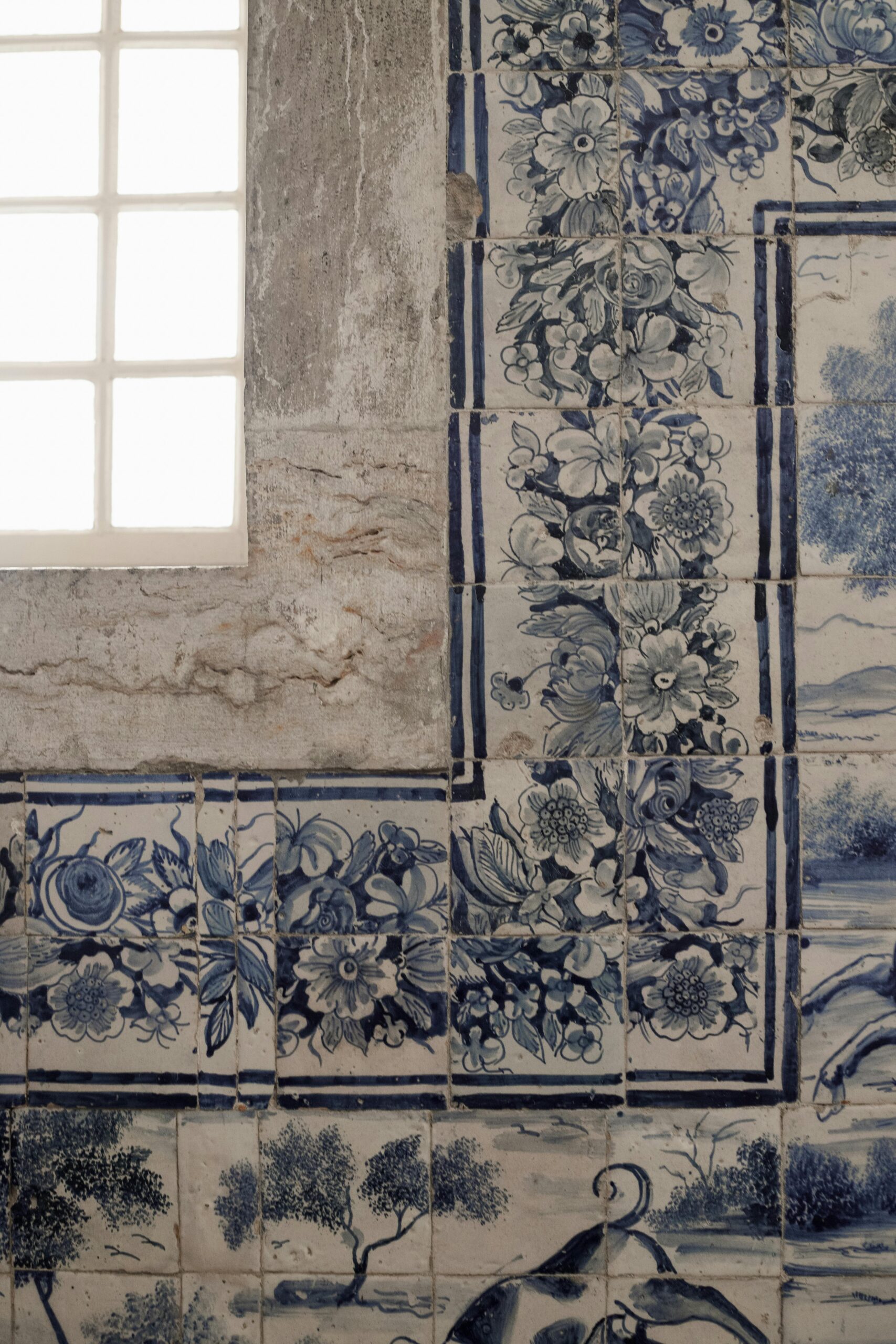
I still remember the first time I really looked at Lisbon’s azulejos instead of just photographing them. I was standing in front of what I thought was a simple blue-and-white façade when I noticed tiny details in the brushwork — shadows, movement, even emotion. That’s when I realized these tiles aren’t just decoration. They’re storytelling.
Since then, I’ve made a point of visiting tile-covered churches, old palaces, train stations, and even lesser-known residential streets to understand how azulejos evolved over centuries. I’ve read into their Moorish origins, studied restoration efforts, and spoken with locals about the ongoing battle against tile theft and preservation challenges. The more I learned, the clearer it became: azulejos aren’t a trend — they’re part of Portugal’s cultural DNA.
In this guide, I’m sharing 21 facts that go beyond the obvious beauty, revealing why Lisbon’s obsession with tiles is so enduring — and so meaningful.
👉 Learn why Lisbon’s history is unlike any other European capital.
Lisbon’s Azulejos
Blue and white. Gold and green. Stories on walls. Legends in clay.
Walking through the steep, sun-washed streets of Lisbon, something quietly surreal happens.
The buildings begin to speak.
Not through words — but through hand-painted azulejos, the world-famous Portuguese tiles that turn ordinary walls into poetry, history, and living memory.
Saints stare down from tiled balconies. Ships sail silently across ceramic church walls. Royals, rebels, and revolutionaries are frozen in glaze.
But where did these tiles come from?
Why are they absolutely everywhere?
And what secrets are hidden inside Lisbon’s tile-covered skin?
Let’s dive into the most beautiful obsession in Portuguese culture — expanded, upgraded, and ready to inspire your next trip.

Lisbon’s Azulejos: 17 Facts About Portugal’s Most Beautiful Obsession
🎨 1. Azulejos Are Not Just Decoration—They’re Language
The word azulejo comes from the Arabic al-zillīj, meaning “polished stone.”
They weren’t created just to be pretty — they were designed to communicate.
Look closely, and you’ll find:
-
Biblical stories for the illiterate
-
Visual warnings about earthquakes and fires
-
Political symbolism hidden in floral patterns
-
Maritime myths and navigation stories
Tip: Treat every tiled wall like a graphic novel. Lisbon becomes a storybook in slow motion.
🌍 2. Lisbon’s Tiles Are the Result of Global Influence
Though deeply tied to Portuguese identity, azulejos are beautifully multicultural:
-
Moorish craftsmen brought geometric patterns in the 8th century
-
Spanish tile workshops influenced decorative forms
-
Dutch artists introduced lifelike storytelling in the 17th century
-
Portugal perfected the narrative mural style
That’s why Lisbon’s azulejos feel global — not just local.
🧱 3. Lisbon is the Azulejo Capital of the World
You’ll see tiles in Porto.
You’ll spot them in Brazil.
But only Lisbon wears them like a second skin.
No matter where you walk, you’ll find:
-
Abandoned tiled doors
-
Crumbling ceramic balconies
-
Entire churches wrapped in blue glaze
-
Ordinary apartment blocks transformed into art
🎯 Challenge: Count unique tile styles in Alfama before lunch. Nobody wins.
🏛️ 4. The National Azulejo Museum Is a Time Machine
The Museu Nacional do Azulejo is Lisbon’s most underestimated cultural treasure.
You’ll walk through:
A 25-meter hand-painted panorama of Lisbon before the 1755 earthquake
Entire tiled palace rooms recreated exactly as they once were
Rare Moorish and Renaissance panels
⛪ 5. In Lisbon, Tiles Are Everywhere — Even Bathrooms
Unlike stained glass or mosaics, azulejos are not precious or protected behind ropes.
You’ll find them inside:
São Vicente de Fora Church
Rossio Train Station
Alcântara-Mar Station
Historic beer halls like Cervejaria Trindade (yes — even the bathrooms)
🕰️ 6. They Survived Fires, Earthquakes, and Dictators
Many Lisbon azulejo walls have survived:
-
The devastating 1755 Lisbon earthquake
-
Massive city fires
-
Decades of dictatorship
-
Rapid gentrification
🔎 Look for cracked corners, soot stains, chipped glazes, and mismatched replacements — those are scars of history.
🏘️ 7. Azulejos Are Functional Architecture (Not Just Art)
These beautiful tiles aren’t just for show—they help regulate temperature.
-
Azulejos reflect heat in summer
-
They protect walls from rain and humidity
-
Some houses stay naturally cooler thanks to them
So yes, azulejos are basically climate control in artistic disguise.
📍 8. Best Neighborhoods in Lisbon for Azulejo Hunting
If you want the most authentic Lisbon tile experience, explore:
-
Alfama – Saints, sailors, faded facades
-
Mouraria – Moorish influences with modern street art
-
Bairro Alto – Colorful, creative tile work
-
Avenida Almirante Reis – Modernist hidden gems
-
Belém – Grand tiles inspired by Portugal’s Age of Discovery
📸 9. The Most Instagrammable Tile Spots in Lisbon
You’ve seen these on Pinterest — now you can stand there:
Largo da Portas do Sol
Rua da Bica (yellow tram + tiles = iconic)
Calçada da Glória
Miradouro de Santa Catarina
📲 Hashtags: #azulejosdelisboa #lisbontiles
💙 10. Blue Is Famous — But Not the Only Color
Blue is the most famous azulejo color—but it’s not the only one. Look for:
-
Golden ochre (Baroque churches)
-
Green vines (Art Nouveau period)
-
Black-and-white geometric designs (Moorish legacy)
-
Multicolor tiles (contemporary reinterpretations)
Azulejos change with the era, and Lisbon wears every period at once.
🖼️ 11. Some Azulejos Are Worth More Than Gold
Rare tiles from the 1600s and 1700s:
-
Are tracked in government registries
-
Have been stolen extensively in the past
-
Are now heavily protected by law
Missing sections you see today are silent evidence of black-market art theft.
🛍️ 12. How to Buy Azulejos Without Being “That Tourist”
Do it right:
✅ Look for certified reproductions
✅ Visit traditional workshops
✅ Choose modern azulejo-inspired souvenirs
✅ Avoid buying antique originals
🎭 13. Azulejos Are Also a Protest Medium
Some modern artists use azulejos to subvert tradition. In Lisbon, you’ll find:
Tiles with graffiti-style commentary
Walls with hidden anti-fascist messages
Pieces mixing pop culture with sacred imagery
They’re not just old—they’re alive and political.
✍️ 14. Yes, You Can Make Your Own Azulejo in Lisbon
Want to get your hands dirty? Book a workshop and paint your own tile.
Best spots:
Surrealejos Studio (playful, modern vibes)
A Vida Portuguesa (workshops + shopping)
Fundação Ricardo do Espírito Santo (traditional craftsmanship)
You’ll leave with a unique souvenir—and a deep respect for the art.
👀 15. Azulejo Hunting Is a Real-Life Treasure Hunt
Make it a game:
-
Pick a theme (flowers, ships, faces)
-
Find five matching tiles
-
Photograph them like a collector
It turns Lisbon into an open-air scavenger hunt.
🧠 16. Every Tile Is Handmade — And That’s the Magic
Traditional hand-painted azulejos are imperfect by design:
-
Uneven brushstrokes
-
Glaze drips
-
Skewed edges
That’s not flaw — that’s soul.
🏨 17. Stay in Tile-Rich Areas for a Deeper Experience
Your hotel location matters.
Staying near Alfama, Bairro Alto, or Belém gives you direct access to Lisbon’s most beautiful tile-covered streets.
🧭 18. Create Your Own Self-Guided Azulejo Walking Tour
Build your own route by combining:
-
A GPS-enabled walking tour app
-
A private local guide experience
-
Or a small-group thematic tile tour
👉 These are widely available for advance booking and save tons of time once you’re in Lisbon.
🚋 19. Combine Tiles With Classic Lisbon Experiences
Azulejo hunting pairs perfectly with:
A historic tram experience
A Belém cultural discovery tour
A river cruise on the Tagus
👉 These experiences naturally complement a tile-focused day and are easy to reserve through activity platforms like Viator and GetYourGuide.
🧡 20. Lisbon’s Tiles Are Emotional — Not Just Visual
They aren’t just decoration.
They’re memory.
They’re grief.
They’re resilience.
They’re rebellion.
They’re love.
They watched Lisbon fall and rise again.
❤️ 21. Azulejos Are Lisbon’s True Heartbeat
More than castles.
More than viewpoints.
More than monuments.
Lisbon’s azulejos are its heartbeat in ceramic form.
They breathe history.
They whisper stories.
They sing.

👉 Ready to Experience Lisbon’s Tiles for Real? 👇
👉 Book a beautiful centrally located hotel with Booking.com so you can stay near Lisbon’s most tiled neighborhoods
👉 Join a guided Lisbon walking tour through Viator to uncover hidden azulejo stories
👉 Reserve a tile-painting workshop with GetYourGuide for a hands-on cultural souvenir
👉 Secure skip-the-line tickets to the National Azulejo Museum
👉 Book a small-group Alfama and Belém cultural tour
👉 Reserve a TukTuk Lisbon sightseeing experience
👆 These simple clicks can turn your Lisbon trip from “nice” into unforgettable.
🌟 Final Thought: Walk Slower. Look Up. Fall in Love.
Put your phone away.
Lift your eyes.
Let the tiles pull you in.
Because in Lisbon,
The walls don’t just stand.
They sing.
For me, azulejos changed the way I walk through Lisbon. I look up more. I slow down. I notice patterns and imperfections that tell quiet stories about faith, trade, loss, and pride.
I hope this guide helps you see them differently too. Because once you understand what’s behind the glaze and color, Lisbon’s walls stop being background scenery — and start becoming one of the city’s most intimate conversations.
❓ Frequently Asked Questions About Lisbon’s Azulejos
❓What exactly are azulejos?
Azulejos are traditional Portuguese ceramic tiles, usually hand-painted and glazed. They are used to decorate buildings, churches, palaces, train stations, and even private homes throughout Lisbon and Portugal. While blue-and-white tiles are the most famous, azulejos come in many colors, styles, and eras.
❓Why are azulejos so important to Lisbon’s culture?
Azulejos are more than decoration — they’re a form of visual storytelling. For centuries, they were used to communicate history, religion, politics, and daily life to people who couldn’t read. Today, they remain one of the most powerful symbols of Lisbon’s identity and cultural heritage.
❓Where can I see the best azulejos in Lisbon?
Some of the best places to see Lisbon’s azulejos include:
Alfama (historic facades and religious tiles)
São Vicente de Fora Church (monumental tile panels)
Belém (maritime-themed azulejos)
Rossio Train Station
Museu Nacional do Azulejo
❓Is the National Azulejo Museum worth visiting?
Absolutely — the National Azulejo Museum is one of Lisbon’s most underrated attractions. It offers deep historical context, rare tile panels, and a stunning panoramic mural of Lisbon before the 1755 earthquake.
❓Can I buy authentic azulejos in Lisbon?
You can, but you need to be careful. Buying antique azulejos without proper certification is illegal and unethical. Instead, look for:
Certified reproductions
Tiles from respected workshops
Contemporary azulejo-inspired designs
❓Can tourists paint their own azulejo in Lisbon?
Yes! One of the most memorable things to do in Lisbon is joining a tile-painting workshop. These experiences let you design and paint your own azulejo while learning traditional techniques.
👉 They’re easy to book ahead of time and make a unique, meaningful souvenir.
❓Are azulejos always blue and white?
No — although blue-and-white tiles are iconic, azulejos also appear in green, yellow, black-and-white, and multicolor designs. Different colors and styles often reflect different historical periods, from Moorish geometry to Baroque storytelling and modern street art.
❓Is it illegal to remove azulejos from buildings?
Yes. Removing or stealing azulejos from Lisbon buildings is illegal. Many tile panels are protected by law and registered with the city. If you see missing tiles or patched walls, it’s often the result of past theft or preservation efforts.
❓What’s the best way to explore Lisbon’s azulejos in one day?
A great approach is to combine:
A self-guided walking route through Alfama and Mouraria
A visit to the National Azulejo Museum
Time in Belém for grand historical tiles
❓Where should I stay in Lisbon if I love azulejos?
Staying in neighborhoods like Alfama, Bairro Alto, or near Belém puts you right in the heart of Lisbon’s most tile-rich streets.
About the author
I’m Duncan, a Lisbon-based guide and writer who’s lived here for 11 years and taken hundreds of visitors around the city. I created Lisbon Listicles to share everything you need to know about Lisbon in clear, practical lists — from iconic sights to hidden gems — so you can plan your trip easily and make the most of your time here.
All recommendations are based on personal experience and the questions I hear most often from visitors.
Leave a Reply