Disclosure: Some links in this article are affiliate links. If you book through them, I may earn a small commission at no extra cost to you. I only recommend places and experiences I genuinely think are worth it.
Cemeteries aren’t on most Lisbon itineraries — but over the years, I’ve found them to be some of the city’s most revealing places. Away from the viewpoints and tram lines, these quiet burial grounds tell stories of epidemics, wars, forgotten communities, and shifting social norms. The first time I wandered into one “just out of curiosity,” I ended up staying for hours, reading inscriptions and noticing how history is etched quite literally in stone.
Since then, I’ve made a point of researching their origins, the historical figures buried there, and the events that led to their creation. In this guide, I’m sharing six of Lisbon’s lesser-known cemeteries — places I’ve personally visited and explored — that offer a surprisingly powerful window into the city’s past.
Lisbon’s Forgotten Cemeteries
Lisbon dazzles with its pastel-colored streets, iconic trams, and postcard-perfect miradouros, but beyond the cafés and coastlines lies a quieter, more introspective side to the city—its forgotten cemeteries. These atmospheric burial grounds hold centuries of stories: tales of epidemics, immigrant communities, noble dynasties, and artists who shaped Portugal’s cultural soul.
If you love off-the-beaten-path Lisbon, dark tourism, or simply connecting with the deeper history of a place, exploring Lisbon’s historical cemeteries opens a window into worlds long gone yet still whispering through stone.
👉 Thinking of staying near these historic districts? Booking.com has fantastic boutique hotel deals around Estrela, Lapa, and Alfama—areas rich in heritage and perfect for cemetery exploring.
Below, you’ll find six fascinating cemeteries and sections, along with thoughtful tips, nearby attractions, and natural suggestions for tours and experiences.

Lisbon’s Forgotten Cemeteries: 5 Historical Burial Grounds
1. Cemitério dos Prazeres – Lisbon’s Grandest Cemetery and Open-Air Sculpture Garden
Set at the edge of the Estrela district, Cemitério dos Prazeres is often compared to the great necropolises of Paris and Buenos Aires. This magnificent 19th-century burial ground was born from tragedy—a cholera outbreak—but it evolved into the resting place of Lisbon’s aristocracy, artists, and political elites.
Why Visit Cemitério dos Prazeres?
Features some of the most elaborate mausoleums, vaults, and stone sculptures in Portugal.
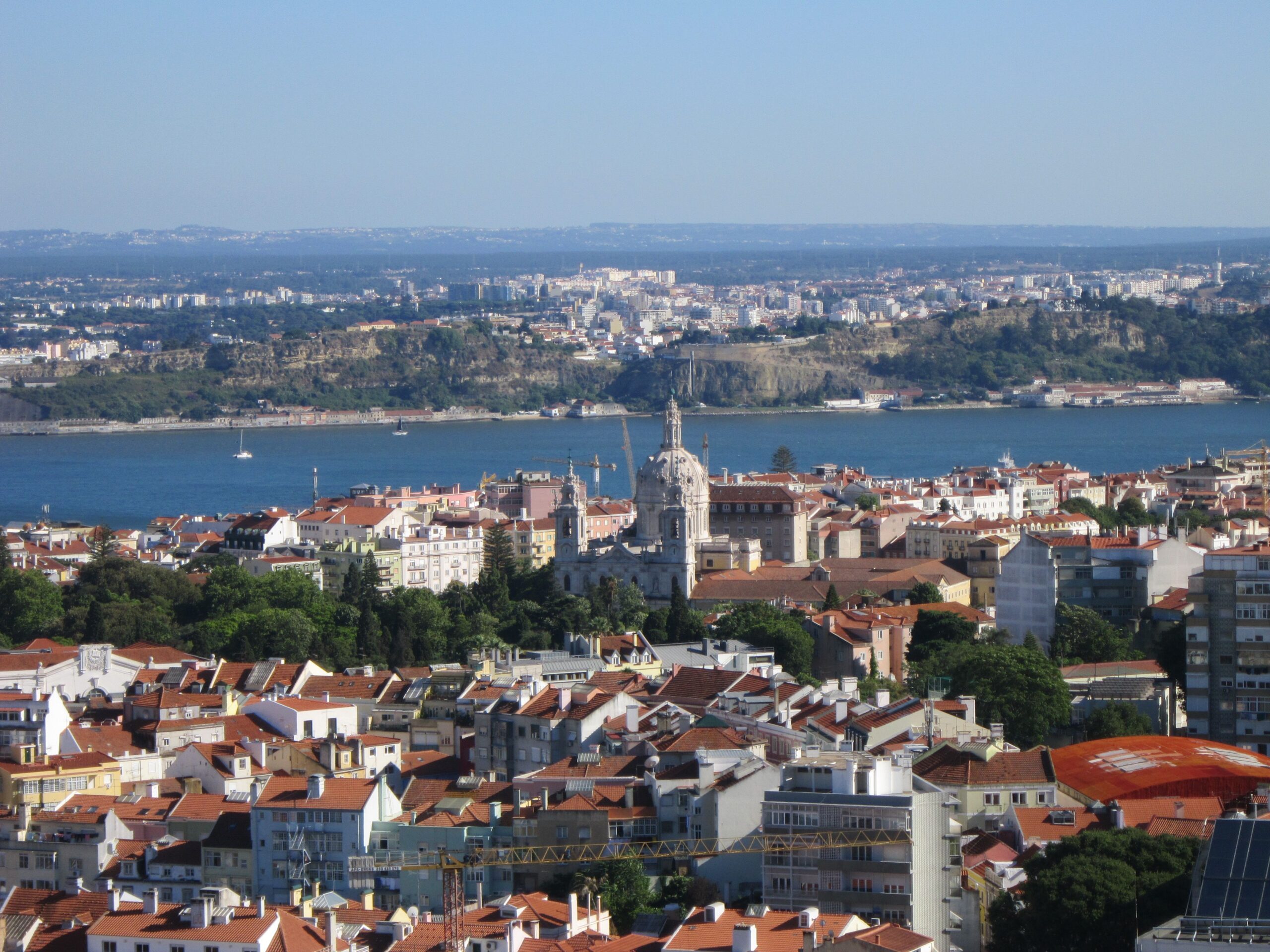
Offers sweeping views of the Tagus River and the 25 de Abril Bridge, making it a photographer’s dream.
Its “avenues” of tombs feel like navigating a quiet stone city filled with stories.
Many tombs include fascinating Masonic symbols, maritime motifs, or allegorical statues.
Insider Tip
The cemetery is enormous—give yourself at least 1.5 hours.
👉 If you want deeper context, consider joining a Lisbon architecture or Estrela walking tour via Viator or GetYourGuide. Many include stops near Prazeres.
2. Cemitério dos Ingleses – Lisbon’s British Cemetery and Expatriate Time Capsule
Hidden behind tall stone walls near the Basilica da Estrela, the British Cemetery is one of Lisbon’s oldest foreign burial grounds. Founded in 1721, it offered Protestants a dignified place to rest in a predominantly Catholic city where burial restrictions were strict.
Why Visit the British Cemetery?
Home to Henry Fielding, celebrated author of Tom Jones.
Offers a peaceful garden and tiny chapel that feel worlds away from the city’s bustle.
A window into Lisbon’s historical English, Dutch, and German merchant communities.
Excellent for travelers who enjoy cultural cemeteries, botanicals, and quiet urban corners.
3. Cemitério Alemão – A German Hidden Gem Inside the British Cemetery
Just steps from Fielding’s grave lies the small but evocative German Cemetery, dedicated to German residents, soldiers, and diplomats. Its grave markers—simple, carved, often iron-cross adorned—speak to a different cultural expression of remembrance.
Why Visit the German Cemetery?
Contains graves of German WWI and WWII military personnel, reflecting Portugal’s complex neutrality.
Features unique German funerary art, symbols, and inscriptions rarely found elsewhere in Lisbon.
Ideal for travelers interested in European wartime history, diplomacy, or foreign communities in Portugal.
Nearby Experience
Hop on the iconic Tram 28, which travels through Estrela’s historic avenues.
👉 You can even book a guided Tram 28 experience through GetYourGuide to learn the stories behind the landmarks along the route.
4. Jewish Section of Cemitério dos Prazeres – A Hidden Chapter of Lisbon’s Sephardic Heritage
Few people know that a Jewish burial section exists within Prazeres. This quiet corner offers a deeply emotional look at Lisbon’s Sephardic community, who survived expulsion, persecution, migration, and eventual return.
Why Visit the Jewish Section?
Features beautifully preserved Hebrew inscriptions and Sephardic symbols.
Highlights the return of Jewish families to Portugal in the 19th century.
A powerful addition to any Jewish heritage itinerary in Lisbon.
5. Cemitério do Alto de São João – Lisbon’s Monumental Cemetery
One of Portugal’s largest cemeteries, Alto de São João is sprawling, atmospheric, and rich in artistic symbolism. Established during the 1833 cholera epidemic, it is now the final resting place for several of Portugal’s most influential thinkers, revolutionaries, and creatives.
Why Visit Alto de São João?
Home to dramatic mausoleums, tiled tombs, crypts, and neoclassical funerary art.
Features monuments dedicated to victims of dictatorship, freedom fighters, and artists.
Burial place of Rafael Bordalo Pinheiro, whose ceramics and satire shaped Portuguese culture.
A quiet yet powerful place for reflection.
Suggested Add-On
Walk 15–20 minutes to reach the National Tile Museum, one of Lisbon’s most underrated attractions.
👉 Many travelers book a combined cultural tour that includes both sites through GetYourGuide.
6. Cemitério de Carnide – A True Local’s Lisbon Cemetery
For travelers wanting an even more intimate look at Lisbon’s everyday life, the Carnide Cemetery offers a beautifully preserved example of local burial traditions. Expect small family tombs, traditional Portuguese tilework, and a peaceful garden-like setting.
Why Add Carnide to Your Lisbon Cemetery Tour?
Provides insight into local Lisbon funeral customs not seen in the bigger cemeteries.
Close to charming local cafés where you can rest afterward.
Perfect for travelers who enjoy quieter, non-touristed spaces.

Cemetery Etiquette + What to Look For
Visiting cemeteries requires respect, but it also helps to know what to look for. Lisbon cemeteries are full of details many visitors miss.
🔍 Symbols to Watch For
Angels representing guidance or mourning
Broken columns marking lives cut short
Anchors symbolizing hope
Flame motifs representing eternal life
Masonic symbols, especially in Prazeres
Jewish Stars of David in Sephardic sections
📷 Photography Tips
Visit early morning or late afternoon for dramatic shadows.
Use a phone zoom—not feet—to avoid stepping too close to graves.
When photography is restricted, look for signage or ask a caretaker.
🧭 Navigation Wisdom
Cemeteries like Prazeres and São João are massive—download an offline map.
Bring water in summer; these places can get surprisingly warm.
Practical Tips for Visiting Lisbon’s Forgotten Cemeteries
Check opening hours—many cemeteries close earlier than expected.
Dress respectfully and keep voices low.
Give yourself time; these aren’t places to rush.
Combine your visits with nearby churches, museums, or viewpoints to deepen the experience.
Support local guides—many offer fascinating historical tours that bring these places to life.
Final Thoughts: Step Into Lisbon’s Quietest but Most Powerful Stories
Exploring Lisbon’s forgotten cemeteries is one of the most unexpectedly meaningful experiences the city has to offer. These burial grounds allow you to stand among centuries of memory: noble families, foreign communities, exiled writers, wartime refugees, fearless artists, and everyday Lisboetas whose legacies shaped the city you see today.
If you’re ready to experience a deeper, more soulful Lisbon—beyond the pastry shops and viewpoints—start with its cemeteries. They are places of silence, yes, but also of extraordinary history.
For me, Lisbon’s forgotten cemeteries aren’t morbid — they’re reflective. They slow you down. They remind you that behind every grand monument or historic district were ordinary lives lived fully and imperfectly.
I hope this guide encourages you to see these spaces not as somber detours, but as meaningful chapters in Lisbon’s story. Walking through them has deepened my understanding of the city in ways I didn’t expect — quietly, respectfully, and memorably.
Ready to plan your cultural route through Lisbon’s cemeteries?
👉 Check out nearby hotels on Booking.com, or browse top-rated tours on Viator and GetYourGuide to explore these historic areas with expert storytelling.
About the author
I’m Duncan, a Lisbon-based guide and writer who’s lived here for 11 years and taken hundreds of visitors around the city. I created Lisbon Listicles to share everything you need to know about Lisbon in clear, practical lists — from iconic sights to hidden gems — so you can plan your trip easily and make the most of your time here.
All recommendations are based on personal experience and the questions I hear most often from visitors.
Leave a Reply