Disclosure: Some links in this article are affiliate links. If you book through them, I may earn a small commission at no extra cost to you. I only recommend places and experiences I genuinely think are worth it.
Living in Lisbon, it’s impossible not to feel the layers of history beneath your feet — and few moments shaped the city more than the Siege of 1147. The first time I stood near the castle walls and looked out over the Tagus, I found myself imagining what this view must have meant during that pivotal summer. Since then, I’ve spent time reading historical accounts, visiting key sites around the city, and piecing together the story of how Lisbon changed hands during the Second Crusade.
In this guide, I’m unpacking what happened during the Siege of Lisbon, why it mattered, and how it helped define the course of Portuguese history. Understanding this chapter adds an entirely new perspective to exploring the city today — especially when you wander through Alfama or stand beneath the fortress walls that once faced months of conflict.
👉 See where this event fits within Lisbon’s broader historical journey.
The Siege of Lisbon (1147)
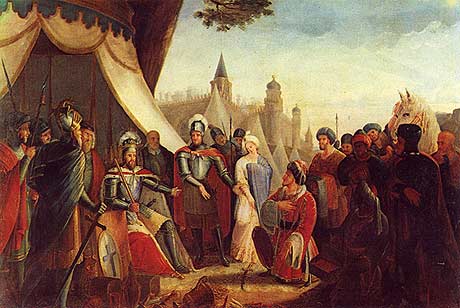
The Siege of Lisbon (1147) stands as one of the most decisive moments in Portuguese history, a dramatic collision of faith, power, ambition, and survival that reshaped the Iberian Peninsula and forever altered the destiny of Lisbon. This four-month medieval siege, fought during the Second Crusade and the Reconquista, transformed Lisbon from a prosperous Moorish stronghold into the beating heart of a newly emerging Christian kingdom.
Walk through Lisbon today and you’ll feel it everywhere — in the castle walls, the Romanesque churches, the Islamic street layout of Alfama, and even in the viewpoints overlooking the Tagus River. The city itself is a living archive of the siege.
This in-depth guide explores:
The political and religious forces behind the siege
How the battle unfolded, step by step
What daily life was like during the siege
How Lisbon changed after the conquest
The best places in Lisbon to experience this history today
Tours, museums, hotels, and experiences that bring it all to life
👉 If you’re interested in Lisbon history, medieval Europe, or meaningful cultural travel, this is one story you don’t want to skim.

The Siege of Lisbon (1147): Unveiling a Defining Moment in History
1. Lisbon Before 1147: A Moorish Powerhouse
Before the siege, Lisbon (then known as al-Ushbuna) was one of the most important cities in Al-Andalus. Under Muslim rule, it thrived as:
A fortified port city
A hub of Mediterranean and Atlantic trade
A center of Islamic culture, science, and administration
The city featured mosques, bathhouses, warehouses, and advanced defensive walls — many of which later Christian rulers reused rather than destroyed.
🧠 Historical Insight: Much of Lisbon’s famously irregular street layout comes directly from its Islamic urban planning, still visible in Alfama today.
2. Why the Siege Happened When It Did
King Afonso I of Portugal had long wanted Lisbon, but the timing of 1147 was crucial. As the Second Crusade mobilized across Europe, fleets of crusaders sailed south toward the Holy Land.
When these forces stopped in Portugal for supplies, Afonso made a bold proposal: help capture Lisbon, and you may keep spoils, land, and prestige.
The result was a rare medieval coalition that included:
Portuguese forces
English and Norman knights
Flemish and German crusaders
📌 Why This Alliance Was Unique: Lisbon’s capture was one of the only Crusader victories outside the Holy Land that actually succeeded.
3. Inside the Siege: Weapons, Tactics, and Survival
The siege lasted from June to October 1147, testing endurance more than brute strength.
Siege tactics included:
Blockading the Tagus River
Building siege towers and ladders
Continuous pressure on weakened walls
Cutting off food and water supplies
Life inside the city:
Severe food shortages
Disease outbreaks
Civilians trapped with no escape
⚔️ Key Fact: The Siege of Lisbon (1147) is considered one of the best-documented medieval sieges in Europe, thanks to Crusader chronicles.
4. Victory and Its Moral Complexity
When Lisbon finally surrendered on October 25, 1147, the outcome was both triumphant and tragic.
Many Muslim inhabitants were expelled
Others were enslaved or killed
Churches replaced mosques
European settlers arrived en masse
Modern historians increasingly present the siege not just as a victory, but as a complex moment of cultural rupture — a theme you’ll see reflected in museums and archaeological sites across the city.
5. Castelo de São Jorge: The Strategic Heart of the Siege
No site is more closely tied to the Siege of Lisbon than Castelo de São Jorge.
From here, defenders controlled:
City defenses
Water sources
Military command
Today, the castle offers:
Sweeping views of Alfama and Baixa
Preserved ramparts and towers
Archaeological remains from Roman to medieval times
6. Sé de Lisboa: A Cathedral Built on Conquest
The Lisbon Cathedral rose directly from the city’s Islamic past. Built on the site of the former mosque, it symbolized Christian dominance after the siege.
Don’t miss:
The Romanesque façade
The cloisters with archaeological layers
Excavations revealing Roman and Moorish Lisbon
👉 Many historic walking tours include the Sé as a key stop, often paired with Alfama and the castle.
7. Alfama: Where the Siege Still Feels Alive
Alfama was at the very center of medieval Lisbon. Its narrow streets once frustrated Crusader troops and aided defenders.
Today, Alfama offers:
Moorish street patterns
Hidden viewpoints
Medieval doorways
Fado houses rooted in working-class history
👉 A guided Alfama walking tour reveals siege-era details most visitors walk right past.
8. Museums That Bring the Siege to Life
Museum of Lisbon
Ideal for understanding:
Maps of medieval Lisbon
Crusader life
Weapons and armor
Urban transformation after 1147
Carmo Archaeological Museum
Located in haunting Gothic ruins, this museum connects:
Medieval Lisbon
The Reconquista
Later disasters like the 1755 earthquake
9. Viewpoints That Explain the Battle Geography
Understanding the siege becomes much clearer from above.
Best viewpoints include:
Castelo de São Jorge
Miradouro de Santa Luzia
Miradouro da Graça
From these spots, you can clearly see:
Why Lisbon was so defensible
How attackers positioned themselves
The importance of the Tagus River
👉 Some history-focused tours intentionally include these viewpoints for tactical explanations.
11. Food, Wine, and the Medieval Table
The siege also reshaped Lisbon’s food culture.
Expect influences from:
Islamic spice use
Christian fasting traditions
Monastic baking
Today, food tours often explore:
Medieval taverns
Historic bakeries
Wine cellars beneath old city buildings
👉 A Lisbon food or wine tour is an underrated way to experience cultural history.
12. Day Trips That Complete the Reconquista Story
Expand your historical journey with nearby towns:
Sintra – fortified hills and royal power
Óbidos – perfectly preserved medieval walls
Évora – Reconquista-era frontier city

Why the Siege of Lisbon Still Shapes Portugal
The Siege of Lisbon (1147):
Secured Portugal’s independence
Established Lisbon’s dominance
Enabled maritime expansion
Changed the city’s religious and cultural identity
Without this battle, Portugal’s history — and Europe’s — would look very different.
Final Thoughts: Walk Through the Birth of Portugal
The Siege of Lisbon is not a footnote — it’s the birth story of the nation.
You can:
Walk siege routes
Touch medieval walls
Explore Crusader-era churches
Stand where the city fell and rose again
The Siege of 1147 isn’t just a distant medieval battle — it’s a turning point that shaped Lisbon’s identity for centuries to come. The more I’ve learned about it, the more the city’s architecture, street layout, and even cultural influences seem to make sense in a deeper way.
I hope this guide helps you see Lisbon not just as a beautiful destination, but as a place shaped by resilience and transformation. For me, understanding moments like this has made exploring the city far richer — and far more meaningful.
About the author
I’m Duncan, a Lisbon-based guide and writer who’s lived here for 11 years and taken hundreds of visitors around the city. I created Lisbon Listicles to share everything you need to know about Lisbon in clear, practical lists — from iconic sights to hidden gems — so you can plan your trip easily and make the most of your time here.
All recommendations are based on personal experience and the questions I hear most often from visitors.

Leave a Reply