Disclosure: Some links in this article are affiliate links. If you book through them, I may earn a small commission at no extra cost to you. I only recommend places and experiences I genuinely think are worth it.
I’ve been based in Lisbon for years, and most of what you’ll find in this guide comes from actually walking the city, showing people around on tours, and answering the same questions visitors ask me every week: what’s actually worth it, what can be skipped, and how to experience Lisbon beyond the obvious checklist.
Lisbon is one of those cities where the “top things to do” list only gets you halfway there. The real experience comes from understanding how the neighborhoods connect, when to visit certain places, and how locals actually move through the city day to day.
This guide pulls all of that together — not just the famous landmarks, but also the routes, viewpoints, experiences, and small details that tend to make the biggest difference once you’re here.
Think of it less as a tourist checklist, and more as how I’d actually show someone around if they were visiting for the first time.
Lisbon is one of Europe’s most atmospheric capitals — not because it overwhelms you with famous landmarks on every corner, but because it slowly reveals itself through texture, light, and contrast.
It is a city of hills and viewpoints, of trams climbing impossibly steep streets, of faded azulejo tiles catching the sun, and of neighborhoods that feel like entirely different worlds just a few minutes apart.
What makes Lisbon especially unique is that it doesn’t present itself in a straight line. You don’t “check off” Lisbon. You experience it in fragments — a miradouro at sunset, a tram ride through Alfama, a seafood lunch by the river, a sudden viewpoint you didn’t plan to find.
This guide brings together the best things to do in Lisbon in 2026, structured as a complete travel hub. It connects iconic landmarks, local neighborhoods, cultural experiences, day trips, and hidden gems into one flowing itinerary-style resource.
Throughout the guide, you’ll also find links to deeper articles so you can explore each topic in detail.
📌 Table of Contents
- Lisbon’s Iconic Landmarks
- The Best Viewpoints in Lisbon (Miradouros)
- Neighborhoods You Must Explore
- Museums & Cultural Experiences
- Unique Experiences & Guided Tours
- Trams, Funiculars & River Transport
- Parks, Gardens & Outdoor Spaces
- Beaches Near Lisbon
- Food, Markets & Local Culture
- Nightlife & Evening Experiences
- Day Trips from Lisbon
- Seasonal Things to Do
- Budget & Free Things to Do
- FAQs

The Top Things to Do in Lisbon
1. Lisbon’s Iconic Landmarks
Lisbon’s landmarks are not just sightseeing stops — they are physical traces of Portugal’s history as a global maritime power, a colonial empire, and a city repeatedly reshaped by disaster and reconstruction.
Most visitors begin in Belém, and for good reason. This riverside district contains some of the most important monuments in the entire country.
The Belém Tower sits at the edge of the Tagus River like a stone sentinel, once guarding ships entering Lisbon’s harbor. Nearby, the Jerónimos Monastery stands as a masterpiece of Manueline architecture, built to celebrate Portugal’s Age of Discovery. Its intricate carvings feel almost unreal in person, especially when sunlight hits the limestone.
Moving into central Lisbon, the city opens into the vast Praça do Comércio, a riverside square framed by yellow arcades and facing the open water. This space feels symbolic — a city that has been destroyed and rebuilt still standing confidently against the river.
High above the city, São Jorge Castle offers a completely different perspective. From its walls, you can see the red rooftops of Alfama spilling down toward the river, while modern Lisbon stretches into the distance.
Finally, the Lisbon Cathedral (Sé) anchors the old town. It is less decorative than other landmarks, but far more important historically — a structure that has survived earthquakes, fires, and centuries of transformation.
👉 Related reading:
2. The Best Viewpoints in Lisbon (Miradouros)
Lisbon is one of the few European capitals where viewpoints are not optional — they are essential to understanding the city.
Because Lisbon is built across seven hills, almost every neighborhood contains elevated terraces that open onto sweeping views of rooftops, rivers, bridges, and church domes.
The most famous viewpoint is Miradouro da Senhora do Monte, often considered the best sunset spot in the city. From here, Lisbon stretches in every direction — Alfama’s maze of rooftops on one side, and the 25 de Abril Bridge and river on the other.
Nearby, Miradouro de Santa Catarina offers a more relaxed, social atmosphere. Locals gather here in the late afternoon with drinks, street musicians play, and the river becomes a slow-moving backdrop.
For a more structured experience, Miradouro de São Pedro de Alcântara frames the city like a painting, with São Jorge Castle visible in the distance.
Finally, Portas do Sol is one of the most photographed viewpoints in Lisbon, especially in the morning when Alfama is still quiet and the light hits the tiled roofs.
👉 Related reading:
3. Neighborhoods You Must Explore
Lisbon is not a single city — it is a collection of distinct neighborhoods, each with its own identity, rhythm, and architecture.
Alfama is the oldest district in Lisbon, and wandering here feels like stepping into a different century. Narrow streets twist unpredictably, staircases replace roads, and small restaurants fill the air with traditional Fado music at night.
Bairro Alto behaves like two cities in one. During the day it is quiet and residential, but after sunset it transforms into one of Lisbon’s main nightlife districts, with bars spilling onto the streets.
Baixa and Chiado represent the structured heart of the city. Rebuilt after the 1755 earthquake, this area is organized into elegant streets, grand plazas, and historic cafés.
Belém sits along the river and feels more open and monumental, dominated by museums and maritime heritage.
4. Museums & Cultural Experiences
Lisbon’s museum scene is often underestimated, but it is one of the strongest cultural offerings in Southern Europe.
The Calouste Gulbenkian Museum is widely considered one of the best private collections in Europe, combining ancient artifacts with modern and classical art.
The MAAT museum stands out not just for its exhibitions but for its futuristic riverside architecture, making it one of the most visually striking buildings in Lisbon.
For something uniquely Portuguese, the National Tile Museum tells the story of azulejos — the decorative tiles that define Lisbon’s visual identity.
Other highlights include the Berardo Collection and the Archaeology Museum, both offering deeper context into Portugal’s artistic and historical evolution.
👉 Related reading:
5. Unique Experiences & Guided Tours
Beyond landmarks and museums, Lisbon is a city of experiences.
One of the most popular is a traditional tuk-tuk tour, which allows you to explore steep neighborhoods like Alfama without exhausting climbs. Another essential experience is a river cruise on the Tagus, especially at sunset when the light reflects across the water and the 25 de Abril Bridge glows in the distance.
Hands-on cultural experiences are also extremely popular. Visitors can join tile painting workshops, learn traditional Portuguese recipes in cooking classes, or take surf lessons along the nearby Atlantic coast.
For something more adventurous, there are dolphin-watching tours, horseback riding routes along coastal cliffs, and even shooting ranges for a different kind of activity.
👉 Booking opportunities:
👉 🧭 Book experiences on Viator Lisbon tours
👉 🎟️ Explore activities on GetYourGuide Lisbon experiences
6. Trams, Funiculars & River Transport
One of the most iconic things about Lisbon is how you move through it.
The famous Tram 28 is more than transport — it is a moving sightseeing route that winds through Alfama, Graça, and Baixa. While it is popular and often crowded, it remains one of the most recognizable experiences in the city.
Other transport highlights include the Bica Funicular, the Glória Funicular, and the historic Santa Justa Lift, each offering unique perspectives of the city’s steep terrain.
The Tagus River also plays a major role in Lisbon’s identity, with ferries, sailboats, and sunset cruises providing a completely different view of the skyline.
👉 Related reading:
7. Parks, Gardens & Outdoor Spaces in Lisbon
Lisbon is often described as a city of viewpoints and trams, but what many visitors underestimate is how deeply connected it is to outdoor life. Even in the middle of the city, you are rarely more than a few minutes away from a garden, riverfront promenade, or shaded park where locals gather throughout the day.
The parks in Lisbon are not overly manicured or artificial — they feel lived-in. You’ll often see people reading under trees, families having long lunches on benches, or groups of friends simply sitting and talking for hours without any urgency.
One of the most important green spaces is Eduardo VII Park, located just above Avenida da Liberdade. From the top, you get one of the most structured panoramic views over downtown Lisbon, stretching all the way to the river. The geometry of the park contrasts with the organic, chaotic layout of the older neighborhoods, which makes it a useful orientation point when you’re first exploring the city.
Further into the city, Jardim da Estrela offers a much more local atmosphere. This is where Lisbon slows down. You’ll find shaded paths, small ponds, and cafés nearby where people linger for hours. It is especially popular on weekends when families gather and the park feels like a small village square.
For something completely different, Monsanto Forest Park is often referred to as Lisbon’s “green lung.” It is large enough that you can hike, cycle, or simply escape the city entirely without actually leaving it. The contrast between urban Lisbon and the forested areas inside Monsanto is one of the city’s most surprising features.
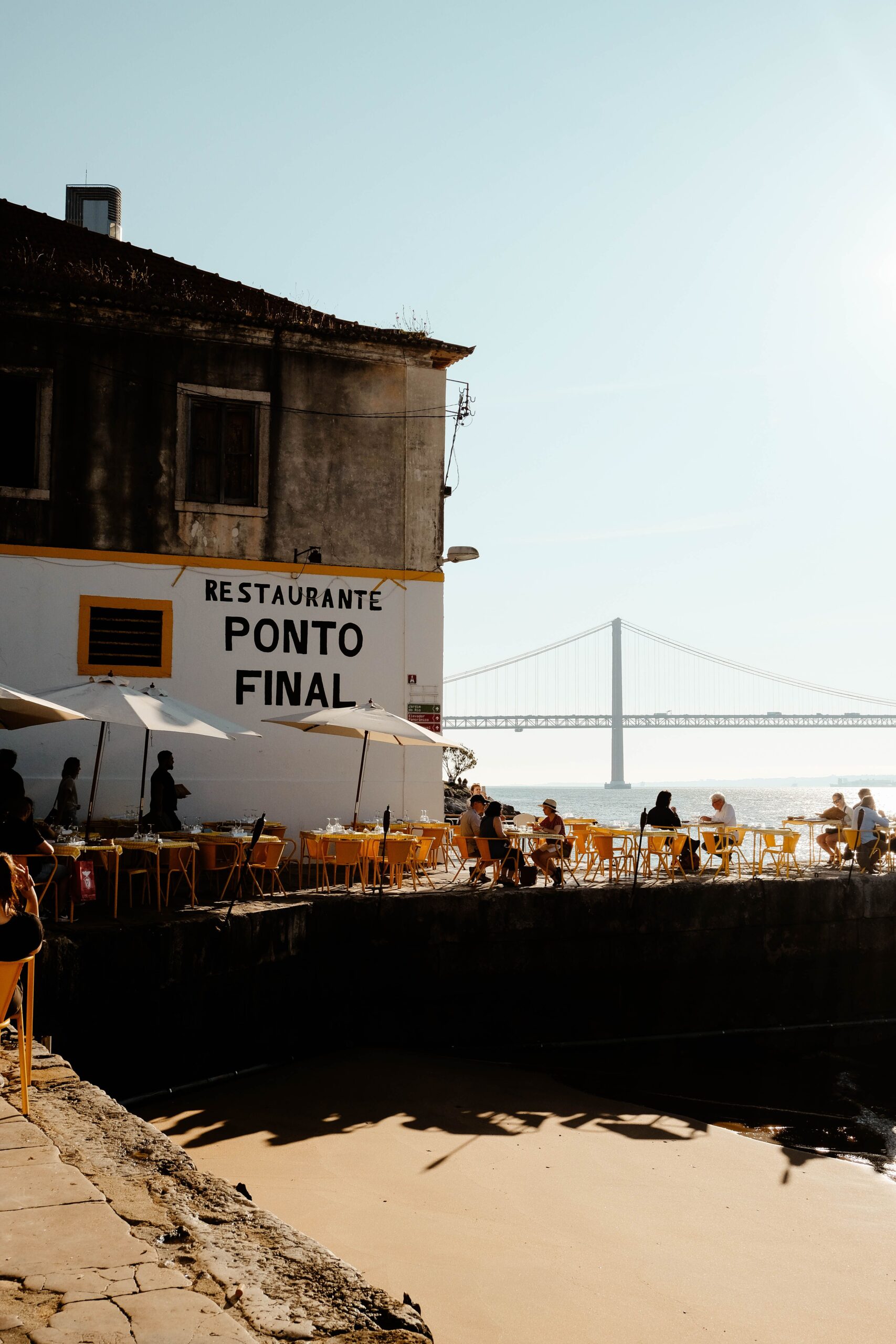
Along the river, the Ribeira das Naus promenade offers a completely different type of outdoor experience. Instead of gardens or forests, you have open stone steps leading directly to the Tagus River. People sit here for sunset, dipping their feet in the water, watching boats pass, and enjoying one of the most relaxed urban riverfronts in Europe.
👉 Related reading:
8. Beaches Near Lisbon
One of Lisbon’s greatest advantages is how quickly the urban environment gives way to the Atlantic coastline. Within less than an hour, the city transforms into beaches, cliffs, and open ocean landscapes.
This proximity to the sea is not just a bonus — it is a major part of local life. Many Lisbon residents treat the beach as an extension of the city rather than a separate destination.
The closest major beach is Carcavelos, which is easily accessible by train. It is one of the most popular surfing beaches near Lisbon, with consistent waves and a long sandy stretch that accommodates both surfers and sunbathers. It has a lively, youthful energy, especially in summer.
Further along the coast, Guincho Beach feels completely different. Here the Atlantic is more dramatic, the winds are stronger, and the landscape becomes more rugged. It is less about swimming and more about experiencing nature in its raw form. The surrounding dunes and cliffs make it one of the most visually impressive coastal spots in the region.
On the southern side of the river, Costa da Caparica offers something entirely different again — an endless stretch of sand that seems to continue indefinitely. This is where locals go when they want space. Even in peak summer, you can walk for long distances and find quiet sections of beach.
Finally, the coastline around Cascais blends beach life with a more polished, town-like atmosphere. Here you can combine a beach visit with cafés, restaurants, and scenic coastal walks.
👉 Related reading:
9. Food, Markets & Local Culture
Food in Lisbon is not just part of the trip — it is central to understanding the city.
Portuguese cuisine is deeply tied to the sea, simplicity, and tradition. Many dishes are built around a small number of ingredients prepared in very specific ways that have remained unchanged for generations.
The most famous pastry is, of course, the pastel de nata, a custard tart with a caramelized top and flaky crust. While tourists often associate it with a single bakery, it is something you will find throughout the city in many variations.
Beyond pastries, Lisbon’s food identity is shaped by seafood. Grilled sardines are especially popular during summer festivals, while bacalhau (salted cod) appears in dozens of different traditional dishes. Each restaurant tends to have its own variation, and locals often debate which preparation is best.
Markets also play a major role in modern Lisbon food culture. The Time Out Market combines traditional Portuguese dishes with modern culinary trends, making it a good introduction for first-time visitors. Meanwhile, Mercado de Campo de Ourique feels more local and less tourist-driven.
Food experiences in Lisbon are not rushed. Meals tend to last longer, conversations extend naturally, and dining is treated as a social experience rather than a quick stop.
👉 Related reading:
10. Nightlife & Evening Experiences
Lisbon changes personality after sunset in a way that surprises many first-time visitors.
During the day, the city feels bright, structured, and walkable. At night, it becomes more atmospheric, more layered, and often more spontaneous.
Bairro Alto is the most well-known nightlife district. Rather than traditional clubs, it is made up of narrow streets filled with small bars where people spill outside with drinks, turning the entire neighborhood into a social space.
Nearby, Cais do Sodré offers a more structured nightlife experience, including clubs, music venues, and the famous Pink Street. This area has evolved significantly in recent years and now attracts both locals and visitors.
In contrast, Alfama offers a completely different evening experience. Here, nightlife is quieter and more traditional. Small Fado restaurants host live performances where singers perform emotional, expressive Portuguese music in intimate settings.
Rooftop bars across the city add another layer to Lisbon nights, especially in warmer months when the city lights reflect off the river.
👉 Related reading:
11. Day Trips From Lisbon
Lisbon is not just a destination — it is a base for exploring some of the most important cultural and natural sites in Portugal.
The most famous day trip is Sintra, a UNESCO-listed region filled with palaces, forests, and dramatic hilltop architecture. The contrast between lush green landscapes and colorful palaces makes it feel almost unreal compared to Lisbon’s urban environment.
Nearby, Cascais offers a more relaxed coastal escape. It combines beaches with a small-town atmosphere, making it ideal for a slower day outside the city.
For something more dramatic, Cabo da Roca marks the westernmost point of mainland Europe. Standing on the cliffs here, looking out at the Atlantic Ocean, gives a very different perspective on Portugal’s geography.
Further inland, Évora offers Roman ruins, medieval streets, and a deeper historical perspective on Portugal’s interior.
👉 Related reading:
👉 Recommended day trips
👉 🏰 Book guided tours on GetYourGuide Lisbon day trips
👉 🚐 Explore excursions on Viator Lisbon tours
12. Seasonal Things to Do in Lisbon
Lisbon is a year-round destination, but each season changes how the city feels.
In winter, the city becomes quieter, with festive lights, Christmas markets, and more relaxed sightseeing conditions. Museums and cafés become more prominent parts of the experience.
Summer is the opposite — energetic, busy, and strongly connected to beach culture. Many locals leave the city on weekends to head toward the coast, while tourists fill central districts.
Spring and autumn are often considered the best times to visit. The weather is comfortable, crowds are smaller, and walking through the city becomes especially enjoyable.
13. Budget & Free Things to Do in Lisbon
Lisbon remains one of Western Europe’s most accessible capital cities in terms of cost.
Some of the best experiences in the city are completely free. The viewpoints scattered across the hills cost nothing to visit, yet offer some of the best views in Europe. Walking through Alfama or along the river is equally rewarding without spending anything.
Even many cultural experiences, such as certain museums or exhibitions, offer free entry on specific days of the month.
This combination of affordability and high-quality experiences is one of the reasons Lisbon has become such a popular long-term travel destination.
👉 Related reading:

❓Frequently Asked Questions (FAQ)
❓What are the absolute best things to do in Lisbon?
The essentials include Alfama, Belém, São Jorge Castle, viewpoints, tram rides, and a Tagus River cruise.
❓How many days do you need in Lisbon?
A minimum of 3–4 days is needed for the city itself. Adding day trips requires 5–7 days.
❓Is Lisbon a walkable city?
Yes, but it is very hilly. Expect steep climbs, cobblestones, and frequent viewpoints.
❓What is Lisbon best known for?
Lisbon is known for its trams, viewpoints, tiled buildings, seafood culture, historic neighborhoods, and Atlantic coastline.
❓Is Tram 28 worth it in 2026?
Yes, but it is best experienced early morning or late evening to avoid peak crowds.
❓Where should I stay in Lisbon?
Baixa/Chiado is best for convenience, Alfama for atmosphere, and Avenida da Liberdade for comfort and hotels.
Final Thoughts
Lisbon is not a city that fits neatly into an itinerary.
It is a place defined by movement — up hills, through neighborhoods, along rivers, and out toward the ocean. The real experience of Lisbon comes from connecting these fragments rather than treating them as isolated attractions.
If there’s one thing I’ve learned from living here and spending so much time walking people through Lisbon, it’s that the city rarely makes sense all at once.
Most people arrive expecting a compact capital they can “cover” in a few days. What they usually leave with is something different — a patchwork of moments: a viewpoint they didn’t expect, a neighborhood they wandered into by accident, a tram ride they remember more than the landmarks themselves.
The best way to experience Lisbon is to slow down just enough to let those moments happen.
Use this guide as your starting point, but don’t feel like you need to follow it in order. Some of the best parts of the city aren’t planned — they’re just discovered between the places you thought you were going.
And if you do end up here and explore some of these places, you’ll probably notice what I still notice after years of living in Lisbon: it’s a city that doesn’t really repeat itself. It just keeps showing you different versions of who it is depending on the time of day, the light, and how you choose to walk it.
About the author
I’m Duncan, a Lisbon-based guide and writer who’s lived here for 11 years and taken hundreds of visitors around the city. I created Lisbon Listicles to share everything you need to know about Lisbon in clear, practical lists — from iconic sights to hidden gems — so you can plan your trip easily and make the most of your time here.
All recommendations are based on personal experience and the questions I hear most often from visitors.
Leave a Reply