Disclosure: Some links in this article are affiliate links. If you book through them, I may earn a small commission at no extra cost to you. I only recommend places and experiences I genuinely think are worth it.
Portugal’s kings and queens are woven into everyday life in Lisbon, from street names and monuments to palaces you can still visit today. As I’ve explored the city and its history over time, I’ve started connecting these names to real places, decisions, and moments that shaped the country. This post brings together some of the greatest Portuguese kings and queens and why they still matter today.
👉 See how Lisbon’s story unfolds across more than 3,000 years.
The Portuguese Monarchy: A Royal Legacy
With a history that spans nearly nine centuries, Portugal is one of Europe’s oldest nations. Its destiny was shaped by the ambitions, victories, and personalities of its monarchs. From the battlefields of the Reconquista to the golden age of maritime exploration, the greatest Portuguese kings and queens left a profound legacy.
Their influence can still be seen today in castles, monasteries, palaces, and entire cities that carry the marks of their reigns. Exploring Portugal is not just about beaches and food — it’s about walking in the footsteps of monarchs who turned a small kingdom into a global empire.

The Top 10 Greatest Portuguese Kings and Queens
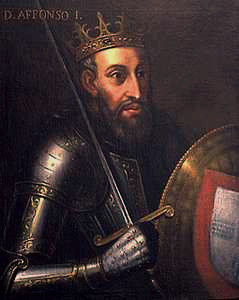
1. Afonso Henriques (1109-1185) – The Founder of Portugal
Afonso Henriques, or Dom Afonso I, is celebrated as the father of the Portuguese nation. In 1139, after the Battle of Ourique, he declared himself King of Portugal, breaking away from León and Castile. His determination forged the identity of an independent Portugal.
Key Contributions:
Founder of Portugal
Defeated the Moors in decisive battles
Crowned the first King of Portugal
📍 Where to See His Legacy:
Guimarães Castle – Often called the “Cradle of Portugal”
Sé de Braga Cathedral, where early Portuguese kings prayed
2. Sancho I (1154-1211) – The Populator
Nicknamed “The Populator”, Sancho I encouraged settlement in newly conquered lands and strengthened Portugal’s borders. He valued education, literature, and welfare, ensuring the kingdom’s stability after its founding.
Key Contributions:
Expanded Portuguese territories
Supported settlement and agriculture
Patron of literature and public welfare
📍 Legacy Today:
Historical documents preserved in the Torre do Tombo National Archive in Lisbon
Early agricultural reforms that shaped the Alentejo countryside
3. Dinis I (1261-1325) – The Farmer King
Dinis I, “O Rei Lavrador” (The Farmer King), was both practical and visionary. He invested in agriculture, improved Portugal’s economy, and established the University of Coimbra, still one of the world’s oldest universities.
Key Contributions:
Boosted agriculture and forestry
Founded Portugal’s first university
Patron of arts and poetry
📍 Where to Experience His Legacy:
University of Coimbra – Its Baroque library is breathtaking
Coimbra Old Town, once a royal seat
👉 A GetYourGuide Coimbra university tour is the best way to explore this legacy.
4. João I (1357–1433) – The Aviz Dynasty Founder
João I founded the House of Aviz after his victory at the Battle of Aljubarrota in 1385, securing independence from Castile. His reign also marked the beginning of Portugal’s Age of Discovery.
Key Contributions:
Secured Portugal’s sovereignty
Supported voyages of exploration
Strengthened royal alliances (married Philippa of Lancaster)
📍 Visit His Legacy:
Monastery of Batalha – Built to honor his victory at Aljubarrota
Lisbon Cathedral, where he consolidated royal power
👉 Book a Batalha, Fátima, and Óbidos day trip on Viator, which includes João I’s monastery.
5. Afonso V (1432-1481) – The African
Afonso V earned the title “The African” for his military campaigns in North Africa. His reign also expanded Portugal’s influence in the Atlantic and Africa, paving the way for future exploration.
Key Contributions:
Military conquests in Morocco
Strengthened Portuguese expansion overseas
Set the stage for global trade routes
📍 Legacy Today:
Fortresses in Morocco still echo Portuguese architecture
Lisbon’s maritime district of Belém, where expeditions set sail
6. Manuel I (1469-1521) – The Fortunate
Under Manuel I, Portugal reached its golden age. Known as “The Fortunate,” he sponsored Vasco da Gama’s voyage to India and Cabral’s discovery of Brazil. His reign left behind Manueline architecture, Portugal’s most iconic style.
Key Contributions:
Sponsored expeditions to India and Brazil
Strengthened Portugal’s global empire
Commissioned Manueline monuments
📍 Where to See It:
Jerónimos Monastery
Tower of Belém
Lisbon’s Praça do Comércio, redesigned under his reign
7. João III (1502-1557) – The Pious
Known as “The Pious,” João III expanded Portugal’s empire across Asia, Africa, and Brazil. He reinforced Catholicism and invested heavily in education. Moments that still shape the country today.
Key Contributions:
Strengthened Catholic influence
Expanded colonial empire
Founded new universities and schools
📍 Legacy Today:
Jesuit colleges throughout Portugal
Growth of Lisbon as a colonial capital
8. Sebastião I (1554-1578) – The Desired
Young, ambitious, and charismatic, Sebastião I became known as “The Desired.” His ill-fated expedition to Morocco led to his disappearance at the Battle of Alcácer Quibir, sparking a dynastic crisis.
Key Contributions:
Symbol of hope for his people
Supported exploration and crusades
His death led to Spanish rule in Portugal
📍 Legacy Today:
Legends of “Sebastianism,” a belief he would return
Monuments in Lisbon commemorating his reign
9. João IV (1604-1656) – The Restorer
João IV restored Portugal’s independence from Spain in 1640 after six decades of Iberian Union. He became the first monarch of the House of Braganza.
Key Contributions:
Restored independence
Strengthened national identity
Patron of music and culture
📍 Legacy Today:
Palácio de Vila Viçosa – Residence of the Braganza dynasty
Lisbon’s Restoration Square, honoring the 1640 revolution
10. Maria II (1819-1853) – The Queen of Modernization
Maria II was Portugal’s first queen and a progressive reformer. She advanced education, women’s rights, and modernization during her reign.
Key Contributions:
Portugal’s first reigning queen
Advocated for women’s and children’s rights
Strengthened cultural institutions
📍 Legacy Today:
Palácio da Ajuda – Her royal residence
Lisbon theaters and schools named in her honor
👉 Book GetYourGuide tickets for Palácio da Ajuda to explore her royal world.

Royal Day Trips from Lisbon
To truly experience the history of Portugal’s monarchy, consider these day trips:
Sintra – Discover Pena Palace and the National Palace of Sintra, once royal summer retreats.
Batalha and Alcobaça – Explore UNESCO monasteries linked to medieval kings.
Guimarães – The birthplace of Afonso Henriques.
Évora – A royal city tied to Sebastião I and João III.
Best Museums for Portuguese Royal History
If you love history, don’t miss these museums:
National Coach Museum (Lisbon) – Features royal carriages from the Braganza dynasty.
Palácio Nacional da Ajuda – A living museum of 19th-century royal life.
Museu Nacional de Arte Antiga (Lisbon) – Houses treasures from Portugal’s golden age.
This helped connect the dots between sites I’d visited. It made monuments feel more meaningful.
A Lasting Royal Legacy
These kings and queens weren’t just names in history books—they shaped the Portugal you see today. Exploring their stories adds depth to the places, traditions, and landmarks that define the country.
The Portuguese monarchy shaped a nation that once ruled half the world. From the bold conquests of Afonso Henriques to the modernization of Queen Maria II, each monarch added a chapter to Portugal’s story.
Today, their castles, palaces, and monuments aren’t just relics — they’re living history. Exploring them is the best way to connect with the nation’s royal past. Whether in Lisbon, Sintra, Coimbra, or Guimarães, the echoes of Portugal’s kings and queens are waiting for you.
About the author
I’m Duncan, a Lisbon-based guide and writer who’s lived here for 11 years and taken hundreds of visitors around the city. I created Lisbon Listicles to share everything you need to know about Lisbon in clear, practical lists — from iconic sights to hidden gems — so you can plan your trip easily and make the most of your time here.
All recommendations are based on personal experience and the questions I hear most often from visitors.
Leave a Reply