Disclosure: Some links in this article are affiliate links. If you book through them, I may earn a small commission at no extra cost to you. I only recommend places and experiences I genuinely think are worth it.
Some of the most memorable flavors I’ve discovered in Lisbon weren’t part of a big plan—they came from stopping for a quick drink, sitting at a counter, or ordering what everyone else seemed to be having. Over time, those small moments added up, and this guide brings together some of the Portuguese beverages worth trying while you’re in Lisbon, from everyday staples to things you might not notice at first glance.
👉 Discover everything Lisbon has to offer in my complete foodie guide.
Why Lisbon Is the Perfect City for Drink Lovers
When people think of Lisbon, they often picture pastel de nata, tiled streets, and stunning viewpoints. But the Portuguese capital is also a fantastic destination for drink lovers. From fortified wines to refreshing summer cocktails, Lisbon offers a vibrant drinks culture where tradition meets innovation.
Exploring Lisbon through its beverages is one of the best ways to connect with the city’s history, meet locals, and discover flavors you won’t find anywhere else. Whether you prefer wine, beer, liqueurs, or cocktails, this guide covers the best Portuguese beverages you must try in Lisbon—and exactly where to find them.

The Best Portuguese Beverages You Have To Try In Lisbon
1. Ginjinha (Cherry Liqueur)
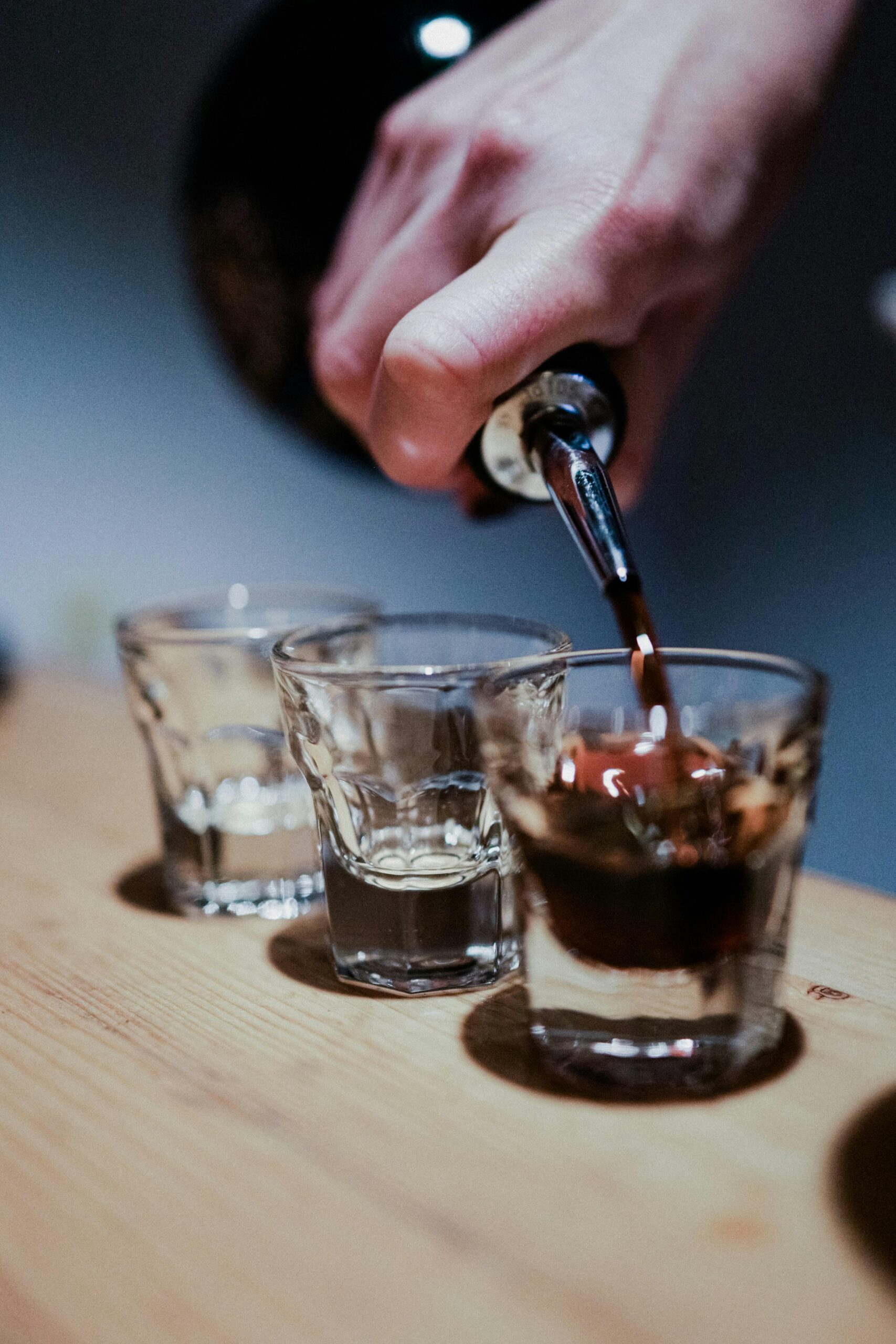
Ginjinha, or Ginja, is perhaps Lisbon’s most iconic drink. Made by infusing sour cherries in alcohol with sugar and spices, it’s sweet, slightly tart, and unforgettable.
📍 Where to try it: Head to “A Ginjinha” near Rossio Square or “Ginjinha Sem Rival” for a shot served in a tiny glass. You’ll often see locals sipping it before lunch, after dinner, or even mid-afternoon.
🍒 Tip: Ask for it com elas (with cherries) if you want to chew the alcohol-soaked fruit at the bottom.
A regular part of daily life.
2. Port Wine
Port wine is Portugal’s best-known export and a must-taste while in Lisbon. Produced in the Douro Valley, this fortified wine is sweet, rich, and deeply flavorful.
🍷 Types of Port wine:
Ruby Port: Fruity and vibrant.
Tawny Port: Aged longer, with caramel and nutty flavors.
White Port: Fresh and versatile, sometimes used in cocktails.
📍 Where to try it: Lisbon has dozens of wine bars serving flights of Port. Head to “By the Wine” in Chiado or “BA Wine Bar” in Bairro Alto.
Usually enjoyed after a meal.
3. Vinho Verde (Green Wine)
Light, crisp, and slightly fizzy, Vinho Verde is Portugal’s answer to a perfect summer drink. Despite the name, it’s usually white, though red and rosé versions exist.
🐟 Food pairing: Try it with seafood staples like grilled sardines, clams in garlic sauce, or bacalhau à brás (salt cod with potatoes and eggs).
📍 Where to try it: Order a chilled glass at riverside restaurants in Cais do Sodré, or enjoy it with petiscos (Portuguese tapas) at Mercado da Ribeira (Time Out Market).
Not everyone’s favorite but worth trying once.
4. Licor Beirão
This aromatic, golden liqueur—Licor Beirão—is often called Portugal’s favorite liqueur. Made from a secret blend of herbs and spices, it has hints of cinnamon, vanilla, and citrus.
🥂 How to drink it:
Neat or on the rocks after dinner.
Mixed into a cocktail like the refreshing Caipirão (see below).
📍 Where to try it: Most Lisbon bars stock it, but it’s especially good at cocktail lounges in Bairro Alto.
5. Aguardente (Portuguese Brandy)
If you’re feeling adventurous, try Aguardente, which literally translates to “burning water.” This fiery spirit is distilled from wine or fruit and ranges from smooth to throat-warming strong.
🔥 Regional specialty: Aguardente de Medronho, made from the fruit of the strawberry tree, is particularly popular in the Algarve and Alentejo but can also be found in Lisbon specialty shops.
📍 Where to try it: At traditional taverns or ask for it as a post-meal digestif.
6. Sangria
Refreshing and fruity, Sangria is a summer staple across Lisbon. While traditionally Spanish, the Portuguese version is just as delicious and often uses white wine or even sparkling vinho verde for a lighter twist.
🍓 Tip: Try white Sangria with citrus fruits for a truly refreshing experience.
📍 Where to try it: Rooftop bars like Park or Topo serve excellent versions with stunning city views.
7. Portuguese Craft Gin
🌿 Portuguese gin brands to look for:
Sharish Gin (from Alentejo, with hints of apple and cinnamon).
Big Boss Gin (distilled with 11 botanicals).
Adamastor Gin (inspired by Portuguese maritime heritage).
📍 Where to try it: Seek out gin bars like Gin Lovers at Príncipe Real.
8. Madeira Wine
Produced on the volcanic Madeira Islands, Madeira wine is another Portuguese treasure. Known for its incredible longevity (some bottles last over 100 years!), this fortified wine is rich, complex, and slightly smoky.
🍮 Food pairing: Excellent with desserts like pastel de nata or chocolate cake.
📍 Where to try it: Lisbon wine shops often carry Madeira, but it’s best enjoyed at a tasting bar in Chiado or Alfama.
9. Caipirão
The Caipirão is Portugal’s twist on Brazil’s famous Caipirinha. Instead of cachaça, it uses Licor Beirão, mixed with lime, sugar, and ice.
🍸 Why try it: It’s lighter and sweeter than a traditional Caipirinha, making it the perfect summer cocktail.
📍 Where to try it: Beach bars along the Costa da Caparica are great spots for this refreshing drink.
10. Sagres and Super Bock (Portuguese Beers)
The two giants of Portuguese beer, Sagres and Super Bock, are everywhere in Lisbon.
Sagres: Crisp, light, and refreshing—ideal with salty snacks.
Super Bock: Smoother and maltier, perfect for a relaxed evening.
🍻 Where to try it: Any Lisbon café, football stadium, or beachside kiosk.
Available almost everywhere.
11. Moscatel de Setúbal (Sweet Wine)
A lesser-known gem, Moscatel de Setúbal is a fortified dessert wine with notes of orange peel, caramel, and dried fruit. It comes from the Setúbal Peninsula, just south of Lisbon.
I prefer it in certain settings.
📍 Where to try it: Wine bars in Lisbon or a short trip to Setúbal itself, where tastings at local wineries are unforgettable.
12. Espresso & Bica (Portuguese Coffee Culture)
It’s not alcoholic, but no list of Portuguese drinks would be complete without coffee. In Lisbon, ordering a bica (espresso) is a daily ritual. Pair it with a pastel de nata for the ultimate local experience.
📍 Where to try it: Classic cafés like Café A Brasileira or Pastéis de Belém.

Where to Experience Lisbon’s Drinks
To make the most of Lisbon’s drinks scene, consider these experiences:
🍷 Wine Tastings – Try Port, Madeira, and Vinho Verde at local wine bars.
🍸 Cocktail Bars – Rooftops and trendy spots in Bairro Alto and Príncipe Real.
🍺 Beer Tours – Discover Lisbon’s growing craft beer scene.
🥂 Food & Drink Tours – Combine sightseeing with tastings of Lisbon’s most famous drinks.
👉 Check Booking.com for Lisbon hotels with rooftop bars, perfect for enjoying a glass of wine at sunset.
Final Thoughts: What’s Your Favorite Portuguese Drink?
Trying local drinks in Lisbon is less about chasing trends and more about paying attention to everyday habits. These beverages offer a small but meaningful way to understand the city’s rhythm and tastes.
From the sweet depth of Port wine to the refreshing fizz of Vinho Verde, Lisbon’s beverage scene is as diverse as the city itself. Each drink tells a story—of Portuguese tradition, climate, and creativity.
Which one would you try first? The tangy sweetness of Ginjinha, the sophistication of Madeira wine, or a cold Sagres by the river? Let me know in the comments!
As you sip your way through Lisbon, you’ll discover not just drinks, but pieces of Portugal’s soul. Saúde!
❓ Frequently Asked Questions About Portuguese Beverages
❓ 1. What is the national drink of Portugal?
While Portugal has many iconic drinks, Ginjinha (cherry liqueur) is often considered the national drink, especially in Lisbon. Port wine is another strong contender, particularly in northern Portugal.
❓ 2. Can I drink tap water in Lisbon?
Yes! Tap water in Lisbon is safe to drink, and many locals enjoy it. That said, if you’re sensitive to taste, bottled water is widely available.
❓ 3. What is the difference between Port wine and Madeira wine?
Port wine comes from the Douro Valley and is typically sweet and fruity, often served as a dessert wine.
Madeira wine comes from the Madeira Islands, is fortified, and has a unique aging process that produces nutty, caramelized flavors.
❓ 4. What Portuguese drink should I try with food?
Vinho Verde pairs beautifully with seafood.
Port wine complements desserts or strong cheeses.
Sagres or Super Bock are perfect with salty snacks or petiscos.
❓ 5. Are there non-alcoholic Portuguese drinks to try?
Yes! Don’t miss Portuguese coffee culture, especially ordering a bica (espresso) in traditional cafés. Other options include sumo de laranja (fresh orange juice) or ginginha sem álcool at some specialty shops.
❓ 6. Where can I experience Portuguese drinks authentically in Lisbon?
Visit traditional Ginjinha bars near Rossio.
Explore wine bars in Bairro Alto and Chiado.
Enjoy cocktails at rooftop bars like Park or Topo.
Join a food & drink walking tour for curated tastings of local beverages.
About the author
I’m Duncan, a Lisbon-based guide and writer who’s lived here for 11 years and taken hundreds of visitors around the city. I created Lisbon Listicles to share everything you need to know about Lisbon in clear, practical lists — from iconic sights to hidden gems — so you can plan your trip easily and make the most of your time here.
All recommendations are based on personal experience and the questions I hear most often from visitors.
Leave a Reply