Disclosure: Some links in this article are affiliate links. If you book through them, I may earn a small commission at no extra cost to you. I only recommend places and experiences I genuinely think are worth it.
Lisbon is full of reminders of the Age of Discovery — sometimes obvious, sometimes hidden in plain sight. Walking through the city, you’ll notice monuments, museums, and quiet references to the explorers who helped shape Portugal’s place in the world. One name that keeps resurfacing as you dig deeper into that history is Bartolomeu Dias.
Living here, I’ve gradually come to appreciate how figures like Dias still influence the way Lisbon thinks about exploration, curiosity, and the sea. From historical landmarks to the maritime identity that still defines parts of the city today, his legacy shows up in ways you might not expect.
In this guide, I’m looking at nine ways Bartolomeu Dias continues to shape Lisbon’s spirit of discovery — not just as a historical figure, but as part of the city’s ongoing story.
👉 Learn how Lisbon became one of Europe’s most fascinating capitals.
Bartolomeu Dias
Lisbon is a city that hums with maritime memory.
The salty breeze rolling off the Tagus, the clanging of ship masts in Belém, and the gleam of golden stone at sunset all whisper stories of Portugal’s great explorers — Vasco da Gama, Prince Henry the Navigator, and one often overlooked trailblazer: Bartolomeu Dias.
Though his voyage took him far from Portuguese shores, Dias’s spirit of courage, curiosity, and navigation genius was forged right here in Lisbon. Let’s dive into nine fascinating facts (and travel-ready experiences) that will help you see Lisbon — and the wider world — through Dias’s eyes.

9 Ways Bartolomeu Dias Still Shapes Lisbon’s Spirit of Discovery
1. ⚓ He Set Sail from Lisbon — the Heart of Portugal’s Maritime Revolution
In August 1487, Bartolomeu Dias’s small fleet slipped down the Tagus River, the same waters you can still sail today. Lisbon was the epicenter of maritime innovation: shipbuilders, cartographers, and astronomers worked side by side in riverside workshops to prepare his voyage.
When you walk through Belém, you’re retracing the same ground where Dias’s ships were blessed before they faced the unknown Atlantic.
2. 🌍 He Was the First European to Round the “Cape of Storms”
Dias’s expedition achieved what no European had before — he rounded the southern tip of Africa in 1488, proving there was a sea passage to the Indian Ocean. He called it the Cape of Storms, but King João II renamed it the Cape of Good Hope, seeing it as the key to opening trade with the East.
From that moment on, the map of the world changed forever — and Lisbon became its nerve center.
3. ⛵ He Planted Stone Crosses (Padrões) as Signs of Discovery
During his voyage, Dias placed padrões — stone markers engraved with Portugal’s coat of arms — at strategic points along the African coast. These were both political claims and waypoints for future navigators.
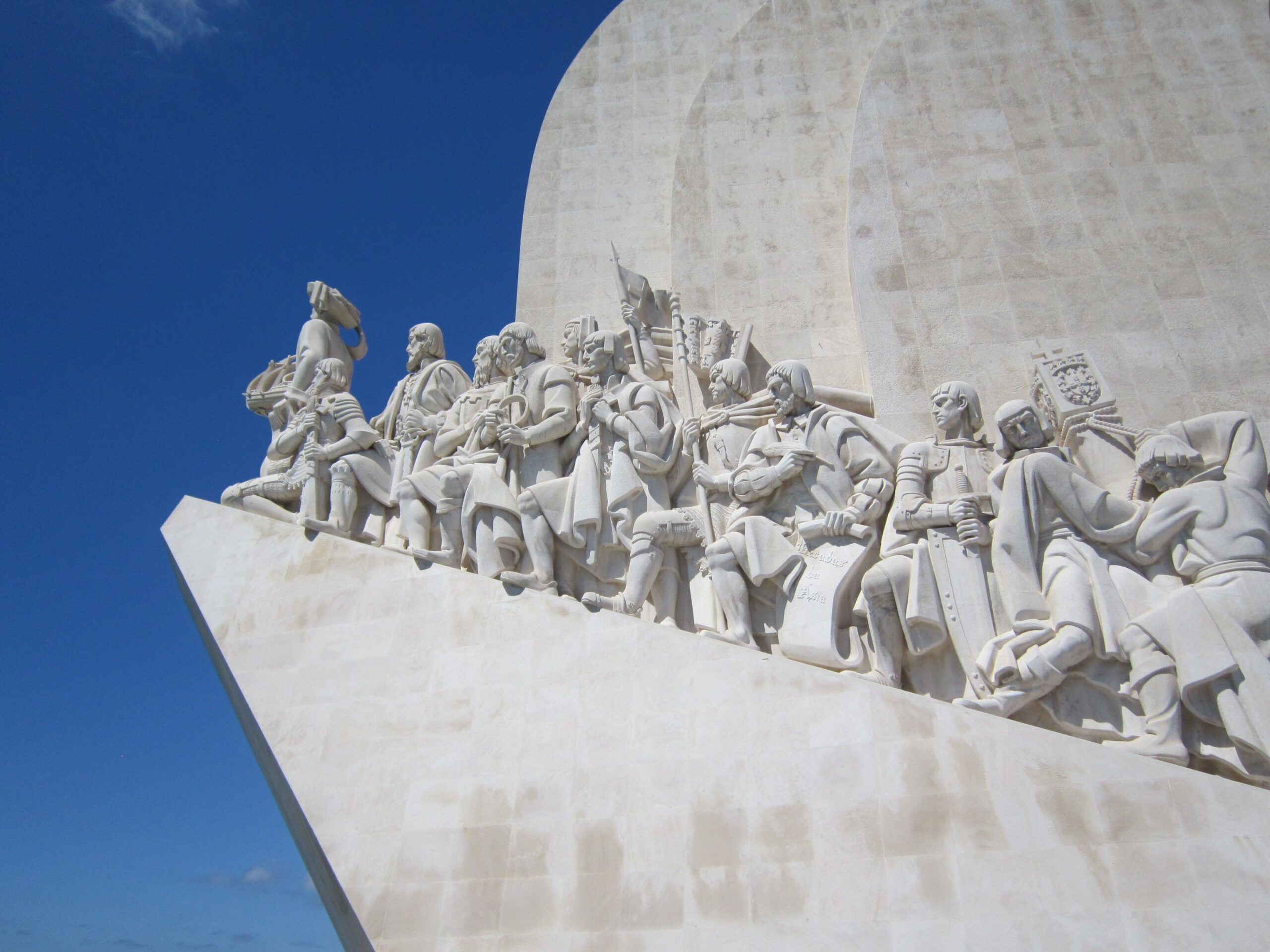
The tradition of marking discovery with monumental stone lives on in Lisbon’s Padrão dos Descobrimentos monument. Each statue there — including Dias’s — gazes toward the sea, eternal explorers carved in stone.
4. 🕰️ His Journey Took 16 Months — and Changed Navigation Forever
The voyage lasted around 16 months — a feat of endurance, bravery, and blind faith. Dias’s crew faced fierce storms, mutinies, and dwindling supplies. When he finally turned back, he didn’t even realize he had rounded the cape until the return leg revealed Africa’s tip.
It’s humbling to imagine those moments — no GPS, no global maps, just stars and instinct. Today’s Lisbon honors such courage in every compass rose etched into its cobblestones.
5. 🧭 He Helped Build the Ships for Vasco da Gama’s Voyage to India
Dias didn’t stop exploring after his own voyage. A decade later, he helped construct the ships used by Vasco da Gama — including the São Gabriel and São Rafael. His designs improved stability and speed, crucial for the long journey to India.
Many of those shipbuilding innovations were developed right on Lisbon’s waterfront, where today cafés and museums line the old shipyards.
6. ⚰️ He Died Where He Made History — the Cape of Good Hope
In 1500, Dias joined Pedro Álvares Cabral’s fleet, which accidentally discovered Brazil before continuing toward India. But off the Cape of Good Hope, a violent storm struck. Dias’s ship sank, taking him with it — lost to the waters he once conquered.
There’s something poetic in that ending: the explorer consumed by his own frontier. Lisbon remembers him not with tragedy, but triumph — as the man who showed that no storm lasts forever.
7. 🏛️ You Can Visit His Legacy at Lisbon’s Museums and Monuments
To truly appreciate Dias’s impact, spend a day in Belém — Lisbon’s museum quarter. Within a few walkable blocks, you can visit:
The Monument to the Discoveries (Padrão dos Descobrimentos) — where Dias stands carved in stone among Portugal’s greatest explorers.
The Jerónimos Monastery, built with riches from the spice trade his voyage helped make possible.
The Maritime Museum, showcasing Dias’s era of navigation and ship design.
👉 Reserve a combo “Belém Explorer Pass” on Viator or GetYourGuide for discounted access to all three sites.
8. 🌅 You Can Sleep in the Shadow of History
Lisbon’s Belém district is not only packed with monuments — it’s also one of the city’s most scenic and peaceful places to stay. Many hotels and guesthouses overlook the Tagus River and are within steps of Dias-era landmarks.
9. ✈️ Trace His Route from Lisbon to the Cape
If you’re feeling inspired to follow in Dias’s wake, modern travel makes it possible to visit both ends of his journey. Start in Lisbon, exploring the Age of Discovery monuments, then continue to Mossel Bay, South Africa, home to the Bartolomeu Dias Museum Complex — complete with a life-size replica of his ship.

💡 Bonus Tip: Walk Where Discovery Began
To feel the heartbeat of Dias’s Lisbon, time your visit for sunset at Belém Tower. As the sky turns pink over the Tagus, the stone tower seems to glow — a beacon to the memory of sailors who chased the horizon.
Final Thoughts
Bartolomeu Dias may not have a museum dedicated solely to him in Lisbon, but his story is everywhere — in the winds off the river, the mosaics underfoot, and the explorers etched into Belém’s monuments.
By exploring these landmarks, you’re not just sightseeing — you’re stepping into the very origins of global travel.
For me, learning about Bartolomeu Dias adds another layer to walking through Lisbon. The city isn’t just beautiful — it’s a place where history pushed boundaries and reshaped how people understood the world.
Even centuries later, that spirit of curiosity and exploration still feels woven into Lisbon’s identity. Once you start noticing it, you realize the legacy of explorers like Dias isn’t confined to museums — it’s part of the character of the city itself. 🌊
👉 Plan your complete Lisbon discovery itinerary on GetYourGuide, Viator, or Booking.com — and set sail (figuratively!) in the footsteps of Bartolomeu Dias.
About the author
I’m Duncan, a Lisbon-based guide and writer who’s lived here for 11 years and taken hundreds of visitors around the city. I created Lisbon Listicles to share everything you need to know about Lisbon in clear, practical lists — from iconic sights to hidden gems — so you can plan your trip easily and make the most of your time here.
All recommendations are based on personal experience and the questions I hear most often from visitors.
Leave a Reply