Disclosure: Some links in this article are affiliate links. If you book through them, I may earn a small commission at no extra cost to you. I only recommend places and experiences I genuinely think are worth it.
I’ve been living in Lisbon for over 11 years now, and I’ve had a front-row seat to the city’s transformation. When I first moved here, things felt different — slower, more local, less polished. Tourism existed, of course, but it hadn’t yet reshaped entire neighborhoods the way it has today.
Through my work showing visitors around the city, I often find myself pointing out buildings that used to be something else, streets that once felt forgotten, or viewpoints that were quiet long before they became Instagram-famous. Watching Lisbon change hasn’t just been something I’ve observed — it’s something I’ve lived through.
Some of these changes have brought new energy, opportunity, and global recognition. Others have sparked complicated conversations among locals and long-time residents. Here are 11 of the biggest ways Lisbon has transformed over the years — from someone who’s seen it unfold day by day.
👉 Explore the events, people, and places behind Lisbon’s story.
Transforming Lisbon: A City That Refused to Stand Still
Over the last two decades, Lisbon has transformed from one of Europe’s most underrated capitals into one of the continent’s most magnetic destinations.
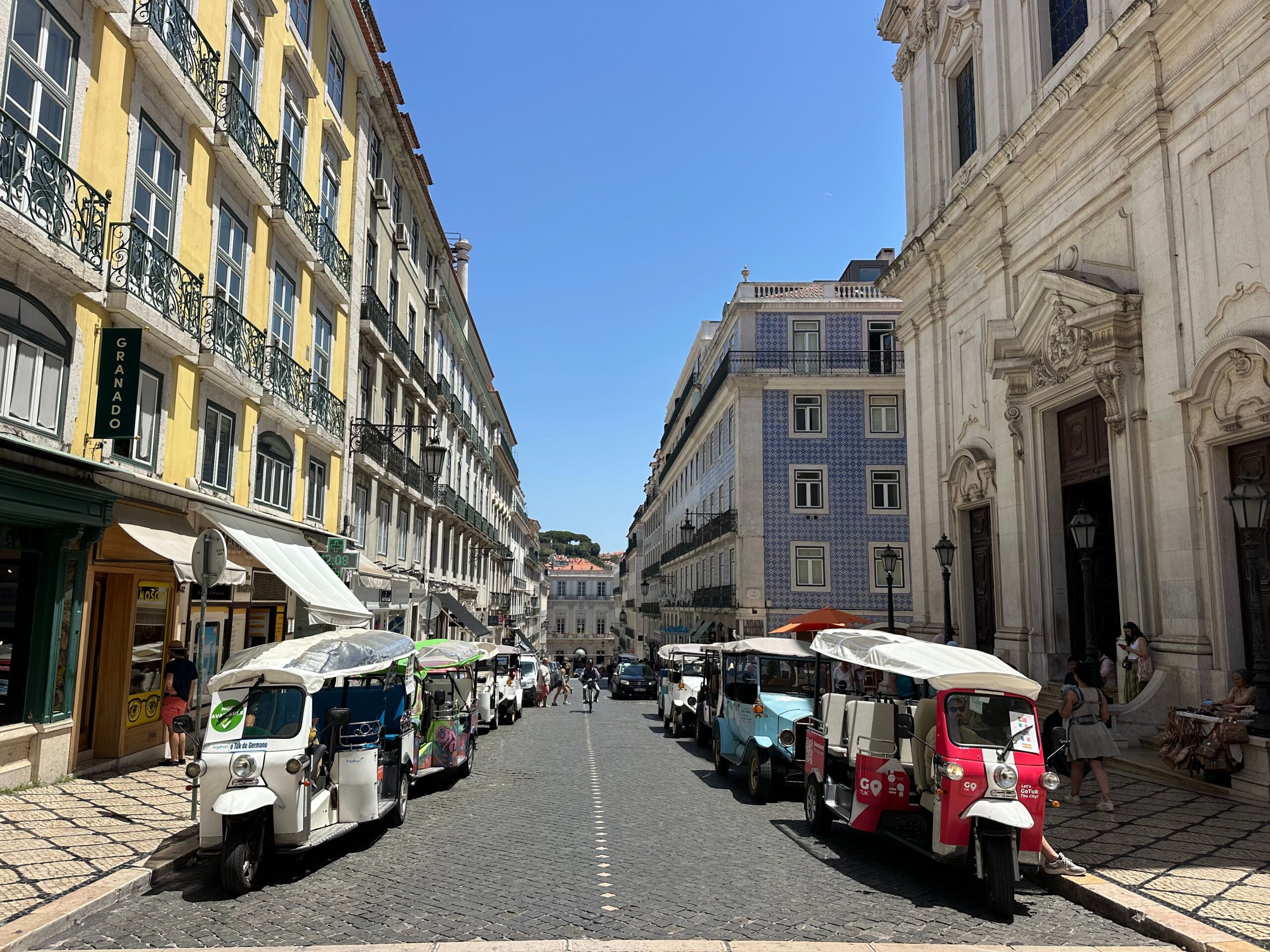
Once defined by faded grandeur, slow rhythms, and quiet charm, Lisbon today is a city of contrast — where historic trams glide past co-working spaces, traditional Fado houses sit beside third-wave coffee shops, and centuries-old lookout points frame a skyline of cranes, rooftop bars, and reinvented riverside districts.
Yet, for all its modernization, Lisbon hasn’t lost what makes it special.
In this guide to how Lisbon has changed over the years, you’ll discover the architectural, cultural, social, and lifestyle shifts that reshaped the city — and why experiencing Lisbon now feels like witnessing history in motion.
👉 Planning your trip? Comparing centrally located hotels and boutique stays through Booking.com is one of the easiest ways to lock in a great base for exploring Lisbon.

How Lisbon Has Changed Over the Years: 11 Transformations
1. From Fading Facades to Flourishing Districts
Not long ago, much of Lisbon’s historic center showed clear signs of neglect. Peeling paint, cracked azulejo tiles, abandoned storefronts, and boarded-up townhouses were common sights.
Fast forward to today, and the change is remarkable.
Entire neighborhoods such as:
Intendente
Marvila
…have been reborn through ambitious urban renewal projects. Old industrial warehouses are now:
Art galleries
Concept cafés
Design studios
Rooftop terraces
This blend of preservation and innovation has become a signature of modern Lisbon city life.
2. Lisbon’s Rise as a European Tech Capital
A decade ago, few would have placed Lisbon on the global tech map. Today, it’s one of Europe’s most exciting startup ecosystems.
Key milestones that drove this shift:
Hosting the Web Summit
Attracting thousands of remote workers
Offering tax incentives for international entrepreneurs
Creative zones like:
Beato Creative Hub
…have turned old factories into buzzing innovation centers — where developers, designers, and digital founders exist inside beautifully preserved industrial spaces.
👉 Tours and creative experiences in LX Factory and Beato are widely available through Viator and GetYourGuide, making it easy to explore Lisbon’s startup-meets-history atmosphere.
3. The Double-Edged Sword of Gentrification
With global attention came rising prices.
As Lisbon tourism increased, housing shifted dramatically — especially in traditional districts like:
Short-term rentals expanded rapidly, transforming residential buildings into visitor-focused accommodation.
This brought:
✅ Restored buildings
✅ Economic revival
✅ Safer streets
But also:
⚠️ Rising rent
⚠️ Displacement of long-time residents
⚠️ Cultural tension
💡 Responsible Travel Tip: Prioritize family-owned restaurants, independent bookstores, and local artisans to help sustain Lisbon’s community spirit.
4. A Full-Blown Culinary Revolution in Lisbon
Lisbon is no longer just about grilled sardines and bacalhau.
Today, it stands as one of Europe’s most exciting food destinations, blending:
Modern Portuguese gastronomy
Immigrant-driven flavors
Street food culture
Chef-led tasting menus
Must-experience food hubs now include:
Time Out Market Lisbon
Mercado de Campo de Ourique
Pop-up kitchens in Arroios and Anjos
Food in Lisbon now reflects the city itself — layered, multicultural, and evolving.
5. The Lisbon Tourism Boom That Rewrote the City
Lisbon has gone from under-the-radar to over 4.5 million annual visitors.
This tourism explosion led to:
Airport modernization
Expanded metro and rail systems
Polished heritage landmarks
A surge in premium travel experiences
Most popular modern experiences include:
Lisbon adapted quickly — and smartly.
👉 Many travelers now reserve skip-the-line tickets and curated city experiences through GetYourGuide or Viator to avoid queues and maximize time.
6. From Yellow Trams to Smart Mobility
The iconic Tram 28 still rattles through Alfama — but Lisbon’s transport system has quietly transformed.
The city now offers:
Electric and hydrogen-powered buses
Expanded metro coverage
Ride-hailing services
E-scooters and bike-sharing systems
This shift made Lisbon far more navigable and eco-conscious.
7. Becoming Europe’s Quiet Green Capital
In 2020, Lisbon was named European Green Capital, recognizing years of sustainability-focused urban planning.
Major improvements include:
Citywide tree planting
Riverfront cleanup of the Tagus River
Creation of cycling highways
Zero-emissions zones
Green lungs like:
Jardim da Estrela
Monsanto Forest Park
Eduardo VII Park
…now offer calm escapes inside the growing city.
8. A Cultural Revival Beyond the Museums
Lisbon’s culture is no longer confined to historic palaces and formal galleries.
Today you’ll experience:
Interactive installations at MAAT Museum
Underground art shows in Marvila
Independent music venues
Expansive street art projects
Neighborhoods like Graça and Mouraria have become open-air galleries.
9. A Nightlife Renaissance With Global Flavor
Gone are the days when nightlife meant only taverns and late-night wine.
Today, Lisbon nightlife includes:
Warehouse raves
Rooftop DJ sessions
Cocktail laboratories
Riverside clubs
While Bairro Alto remains iconic, districts like:
…now define Lisbon’s refined nightlife edge.
👉 Evening food-and-drink tours and nightlife experiences are popular for visitors who want to explore safely with local insight. You can apply code LL5 when booking for a discount.
👉 See latest prices and availability
10. Lisbon: Global Capital of Remote Work Living
Lisbon is now a top destination for:
Digital nomads
Freelancers
Startup founders
Location-independent professionals
Why?
Fast Wi-Fi
Affordable lifestyle (by European standards)
Sun-filled cafés
Coworking culture
Many travelers come “just for a week” — and stay for a season.
11. Still Lisbon at Heart: Tradition in a Fast-Changing City
Despite all the evolution, Lisbon still feels unmistakably… Lisbon.
You’ll still notice:
Fado melodies drifting from doorways
Elderly locals chatting across balconies
Fresh laundry hanging above cobblestones
The slow rhythm of past-meets-present
Lisbon didn’t erase its history — it built on top of it.

⭐ Bonus Section: What Has Stayed the Same in Lisbon (And Why It Matters)
Amid dazzling change, some elements remain timeless:
Miradouros still frame golden sunsets
Local bakeries still pull warm pastéis from the oven
The Tagus still reflects soft pink skies
Neighborhood life still feels personal
This is what gives Lisbon emotional weight — not just visual beauty.
Final Thoughts: Why Lisbon’s Evolution Feels So Special
Understanding how Lisbon has changed over the years makes every visit more meaningful.
You’re not just sightseeing — you’re witnessing an evolving identity.
Lisbon today feels alive, layered, and emotionally textured.
You feel it in the streets.
You taste it in the food.
You hear it in the music.
👉 Ready to experience Lisbon yourself? Compare top-rated hotels through Booking.com, and browse incredible tours, cruises, and skip-the-line experiences through Viator and GetYourGuide to build your perfect Lisbon adventure.
After more than a decade here, I don’t see Lisbon through rose-colored glasses — but I also don’t see it as “ruined,” the way some people like to claim. It’s evolving. It always has.
The Lisbon of today is more international, more restored, and undeniably more expensive. But it’s still a city where neighbors greet each other from balconies, where traditional tascas survive next to trendy cafés, and where sunsets over the Tagus never lose their magic.
Living here — and walking these streets almost daily with visitors — has taught me that change isn’t the opposite of authenticity. It’s part of the story. And Lisbon’s story is still being written.
About the author
I’m Duncan, a Lisbon-based guide and writer who’s lived here for 11 years and taken hundreds of visitors around the city. I created Lisbon Listicles to share everything you need to know about Lisbon in clear, practical lists — from iconic sights to hidden gems — so you can plan your trip easily and make the most of your time here.
All recommendations are based on personal experience and the questions I hear most often from visitors.
Leave a Reply