Disclosure: Some links in this article are affiliate links. If you book through them, I may earn a small commission at no extra cost to you. I only recommend places and experiences I genuinely think are worth it.
The first time I noticed the Cross of the Order of Christ carved into a stone façade in Lisbon, I almost walked past it. Now I see it everywhere — on monuments, in churches, woven into the city’s maritime history. That small red cross carries an enormous legacy, one that shaped Portugal’s expansion, its religious institutions, and even the way Lisbon presents itself to the world.
Over the years, I’ve dug into the Order’s transformation from its Templar roots to its powerful role during the Age of Discoveries. I’ve visited the sites in Lisbon tied to its influence, studied the symbolism, and traced how its wealth and authority flowed through the capital. This guide isn’t just about medieval knights — it’s about understanding how one religious-military order left a lasting imprint on Lisbon’s architecture, politics, and identity.
👉 Understand this topic within Lisbon’s wider historical context.
The Order of Christ in Lisbon
How Prince Henry the Navigator and a Holy Order Turned Lisbon Into the Gateway of the World
Lisbon is a city where history doesn’t sit quietly in museums — it spills into the streets. From monumental monasteries to subtle stone carvings tucked into alleyways, the past is everywhere if you know how to look.
One symbol appears again and again: the Cross of the Order of Christ.
This red, flared cross once sailed across oceans, crowned royal banners, and marked ships heading into the unknown. Today, it still defines Lisbon’s identity — if you know where to follow it.
In this guide, we’ll explore the background of the Order of Christ, then walk through the most important Lisbon landmarks connected to it, before finishing with immersive tours, river cruises, and day trips that bring the story fully to life.
Background: The Order of Christ, the Templars & Lisbon’s Rise
When the Knights Templar were arrested and dissolved across Europe in the early 14th century, their story should have ended. In Portugal, however, it didn’t.
King Dinis saw the Templars not as heretics, but as an invaluable asset. Their lands, wealth, naval knowledge, and manpower were too important to lose. His solution was diplomatic brilliance: transform them into a new order loyal to the Portuguese Crown.
Thus, in 1319, the Order of Christ was born.
Over the following centuries, the Order became deeply embedded in Lisbon’s rise:
It financed early maritime exploration
It supported shipbuilding along the Tagus
It funded cartographers, astronomers, and navigators
It shaped royal policy during the Age of Discoveries
At the center of it all stood Prince Henry the Navigator, whose leadership as Grand Master turned Lisbon into Europe’s launchpad for global exploration.
👉 To fully experience this history, location matters. Many travelers choose historic hotels in Belém, Alfama, or Baixa via Booking.com, placing you steps from the Order’s most important sites.

The Best Places to Experience the Order of Christ in Lisbon
1. Jerónimos Monastery: Faith, Wealth & Maritime Power
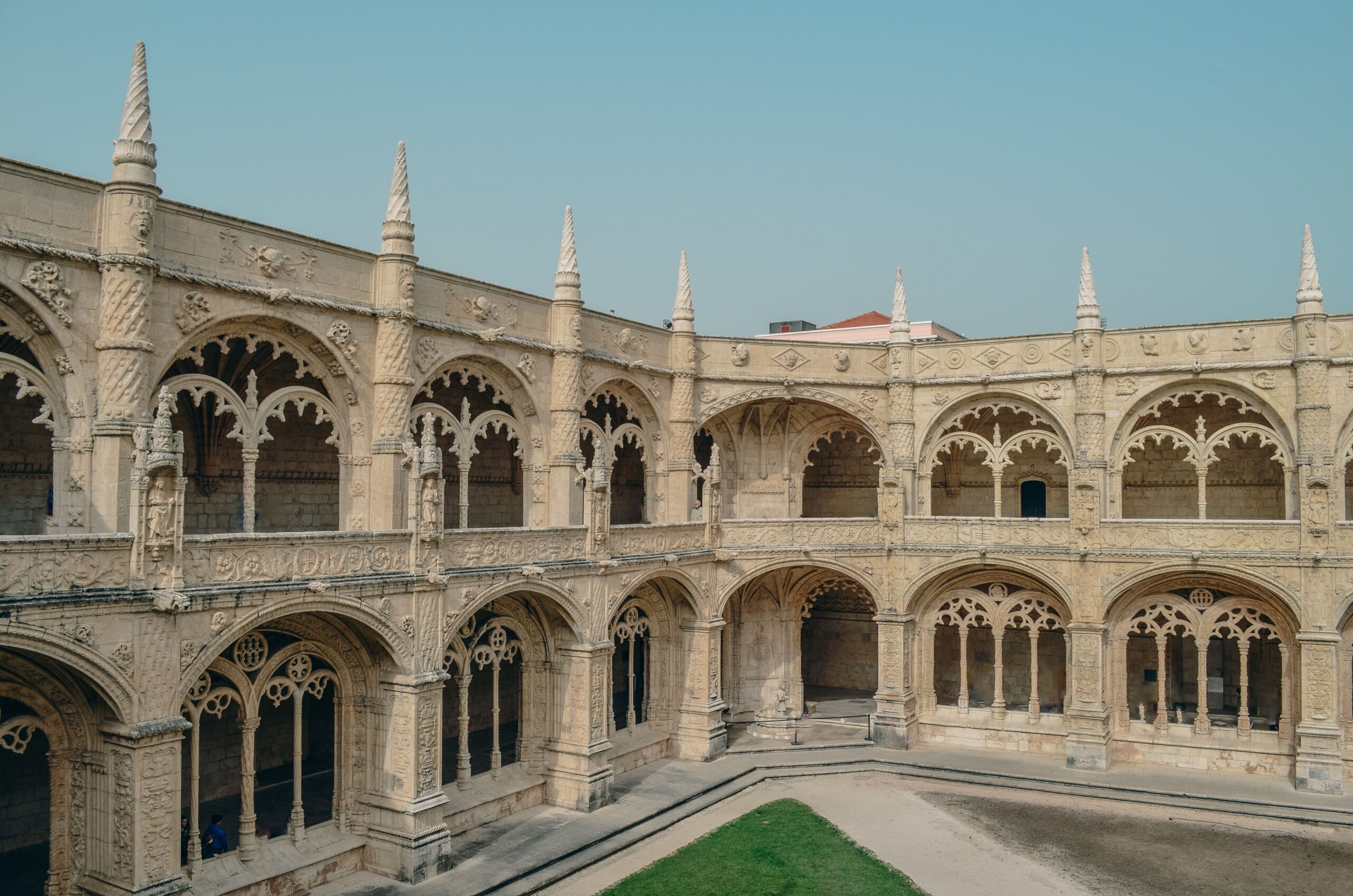
The Jerónimos Monastery is not just Lisbon’s most famous monument — it’s a stone manifesto of the Order of Christ’s power.
Built using wealth from overseas trade, the monastery was designed to glorify Portugal’s divine mission to explore and expand.
As you walk through:
Notice how the Cross of the Order of Christ repeats endlessly
Observe maritime symbols carved alongside saints
Feel the deliberate grandeur meant to impress both pilgrims and foreign envoys
The cloisters are especially symbolic — serene, orderly, and rich with imperial confidence.
👉 A guided Jerónimos Monastery tour on GetYourGuide reveals the hidden symbolism most visitors miss.
2. Belém Tower: Sacred Protection at the Edge of the World
The Belém Tower was more than a defensive structure — it was a ritual landmark.
Ships leaving Lisbon often passed this tower after receiving blessings from the Order. The carvings of the Order of Christ cross weren’t decorative; they were talismans.
Inside the tower:
Upper balconies once hosted royal ceremonies
Lower levels housed cannons guarding the river
Every architectural detail reinforced Lisbon’s dominance
Standing here, it’s easy to imagine caravels slipping past, sails marked with red crosses, heading toward the unknown.
👉 Avoid queues with a fast-track Belém Tower ticket from GetYourGuide — especially in summer.
3. Maritime Museum: Inside the Order’s Engine Room
If Jerónimos shows the Order’s spirituality, the Maritime Museum reveals its machinery.
Here you’ll see how the Order of Christ functioned as:
A financial institution
A research sponsor
A logistical powerhouse
Displays include:
Navigational instruments funded by the Order
Maps that expanded Europe’s worldview
Ship models reflecting evolving maritime technology
Personal symbols of Prince Henry the Navigator
It’s one of the best places in Lisbon to truly understand how exploration happened.
👉 A skip-the-line Maritime Museum ticket makes this a stress-free and deeply rewarding visit.
4. Igreja da Graça: A Quiet Window Into Medieval Faith
Away from the crowds, the Church of Santa Maria da Graça offers something different: intimacy.
This hilltop church reflects the quieter, devotional side of Lisbon’s military-religious past. Noble families associated with Portugal’s ruling class worshipped here, and subtle iconography hints at their connections.
Take time to:
Study the tiled panels
Sit quietly inside the nave
Step onto the terrace for sweeping views
It’s an ideal place to pause and reflect.
5. Military Museum of Lisbon: Belief, Blades & Empire
The Museu Militar de Lisboa fills in the martial side of the story.
Through armor, weapons, and banners, it shows how religious orders like the Order of Christ justified, financed, and executed overseas expansion.
Exhibits help connect:
Faith and warfare
Exploration and conquest
Royal ambition and religious symbolism
It’s underrated — and deeply informative.
👉 Pair your visit with a Lisbon military history walking tour on Viator for richer storytelling.
6. Praça do Comércio: Lisbon’s Lost Nerve Center
Standing in Praça do Comércio, you’re on the footprint of power.
Before the earthquake, the Royal Ribeira Palace stood here, housing royal offices and councils that worked closely with the Order of Christ.
Though the palace is gone, the square’s scale and symmetry still evoke authority. It’s a powerful place to visualize Lisbon as an imperial capital.
7. The City as a Living Museum
One of the joys of Lisbon is discovering Order-related details unexpectedly.
Keep an eye out for:
Azulejo panels with crosses and caravels
Street names honoring navigators
Decorative Manueline windows and doorways
The story unfolds organically as you walk.
👉 A Templar & Order of Christ walking tour helps connect these subtle clues.

Tagus River Cruises: Following the Departure Route
Seeing Lisbon from the water is transformative.
A Tagus River cruise recreates the perspective of explorers departing under the Order’s blessing.
From the river, you’ll see:
Belém Tower in its intended setting
Jerónimos rising above the shoreline
Lisbon’s hills unfolding like a painted map
👉 A sunset Tagus cruise is especially atmospheric and highly recommended.
Day Trip to Tomar: The Sacred Heart of the Order
No exploration of the Order of Christ is complete without Tomar.
The Convent of Christ is one of Portugal’s most extraordinary monuments — layered, symbolic, and deeply mysterious.
Expect:
The circular Templar Charola
Cloisters packed with iconography
The iconic Manueline Window — arguably the Order’s masterpiece
Where to Stay to Maximize the Experience
Choosing the right base enhances everything.
Best neighborhoods:
Final Thoughts: Lisbon Still Follows the Cross
The Order of Christ shaped Lisbon in ways both monumental and subtle. From towering monasteries to quiet street details, its presence still guides the city’s identity.
For me, exploring the legacy of the Order of Christ changes the way I look at Lisbon. The city stops feeling decorative and starts feeling deliberate — every symbol, every monument tied to a larger story of ambition, faith, and power.
I hope this guide helps you notice those details too. Because once you recognize the Order’s mark on Lisbon, you realize its influence didn’t fade with history — it became part of the city’s foundation.
By following the legacy of Prince Henry the Navigator, you don’t just visit Lisbon — you understand it.
Walk slowly. Look closely. The cross is everywhere.
About the author
I’m Duncan, a Lisbon-based guide and writer who’s lived here for 11 years and taken hundreds of visitors around the city. I created Lisbon Listicles to share everything you need to know about Lisbon in clear, practical lists — from iconic sights to hidden gems — so you can plan your trip easily and make the most of your time here.
All recommendations are based on personal experience and the questions I hear most often from visitors.
Leave a Reply