Disclosure: Some links in this article are affiliate links. If you book through them, I may earn a small commission at no extra cost to you. I only recommend places and experiences I genuinely think are worth it.
Lisbon’s connection to the Crusades isn’t something you notice strolling through the Alfama or Baixa districts today — but once I started digging into the city’s medieval history, I was struck by how pivotal Lisbon was in that era. Walking the streets, visiting old churches, and tracing the routes of the city’s early fortifications, I could almost picture knights, traders, and citizens caught up in the tides of war and faith.
Over the years, I’ve poured over historical texts, spoken with local historians, and explored key sites to understand Lisbon’s role in the Crusades. It’s a chapter of the city’s past that reveals not just battles, but political strategy, cultural exchanges, and the shaping of the Lisbon we see today.
Lisbon in the Crusades
Lisbon dazzles visitors with its sun-soaked viewpoints, tram-lined hills, and rich maritime heritage. Yet behind today’s charming exteriors lies a dramatic, lesser-known story: Lisbon was once at the heart of the Second Crusade (1147), and this single event helped set the foundation for the Kingdom of Portugal as we know it today.
If you love history, architecture, or simply discovering the deeper stories behind a destination, exploring Lisbon’s Crusader past opens an entirely new layer of understanding—and makes your trip even more meaningful.
⭐ Why This Chapter of History Matters for Travelers Today
Most visitors come to Lisbon for fado, sunsets, food, and tiles (fair!). But when you understand the city’s medieval battles, conquests, and strategic importance, places like Alfama and the Sé Cathedral suddenly feel different—almost alive.
This guide dives deep into:
Lisbon’s role in the Crusades
The 1147 Siege of Lisbon
Historic sites you can visit today
What it felt like to live here in 12th-century medieval Portugal
New medieval-themed experiences you can add to your itinerary
Subtle travel tips and helpful suggestions throughout
And yes… along the way, I’ll share some helpful travel recommendations for tours, cruises, and hotels only where they enhance your trip.

Lisbon’s Role in the Crusades
1. Understanding the Crusades in the Iberian Peninsula
When people hear “Crusades,” minds usually jump to Jerusalem or Acre. But the Iberian Peninsula was equally significant. Here, Christian kingdoms pushed southward in the long campaign known as the Reconquista, attempting to reclaim lands ruled by Muslim dynasties for centuries.
By the mid-1100s:
Lisbon was a major Muslim-controlled port city
The Almoravids ruled much of present-day Portugal
Afonso Henriques—soon to be Portugal’s first king—sought to legitimize and expand his new kingdom
Then came a golden opportunity: the Second Crusade, which encouraged Christians from across Europe to unite against Muslim forces—whether in the Holy Land or Iberia.
This intersection of global and regional conflict set the stage for Lisbon’s fate.
2. The Siege of Lisbon (1147): One of the Only Victories of the Second Crusade
The Siege of Lisbon wasn’t just a military event; it was a life-and-death siege marked by diplomacy, desperation, and unlikely alliances.
✦ How the Crusaders Arrived
A massive fleet from England, Germany, and Flanders set sail for the Holy Land. They stopped near Porto due to bad weather, where Afonso Henriques personally negotiated with their leaders.
He promised:
shared plunder
religious indulgences
privileges for anyone who stayed afterward
The Crusaders agreed—an extraordinary twist of fate.
✦ The Brutal Four-Month Siege
From July 1 to October 25, 1147, Lisbon was surrounded. Accounts describe:
starvation inside the walls
catapults and siege towers outside
supplies dwindling
deadly daily skirmishes
When the Almoravid garrison finally surrendered, it marked one of the only successful Christian victories of the entire Second Crusade.
3. The Foreign Crusaders Who Helped Build the New Lisbon
After the city fell, something unexpected happened: many Crusaders didn’t leave.
They stayed and became:
the new citizens of Lisbon
builders and craftsmen
merchants and sailors
even knights serving the Portuguese crown
Their presence helped:
repopulate a devastated city
strengthen defenses
boost trade
integrate northern European cultural influences
This medieval multiculturalism is part of what shaped Lisbon’s early identity.
4. Lisbon Emerges as a Christian Stronghold
With the conquest complete, Lisbon officially became part of the Kingdom of Portugal. Afonso Henriques granted land and privileges to settlers, encouraging growth.
Within decades:
churches replaced mosques
walls were reinforced
the city became a key maritime and commercial hub
Lisbon began expanding south, eventually leading to Portugal’s rise as a global seafaring empire
This was the beginning of Lisbon’s transformation from a contested strategic city into a thriving, influential European capital.
5. Crusader-Era Lisbon You Can Visit Today
Many landmarks still carry unmistakable traces of Lisbon’s medieval past. When you walk the streets, you’re following centuries-old pathways shaped directly by the Second Crusade.
• Lisbon Cathedral (Sé de Lisboa)
Built after 1147, this is Lisbon’s oldest church. Its austere stone walls and fortress-like architecture reflect its turbulent origins.
👉 Planning a visit? Consider a small-group Old Town & Cathedral tour on GetYourGuide to understand its Crusader symbolism.
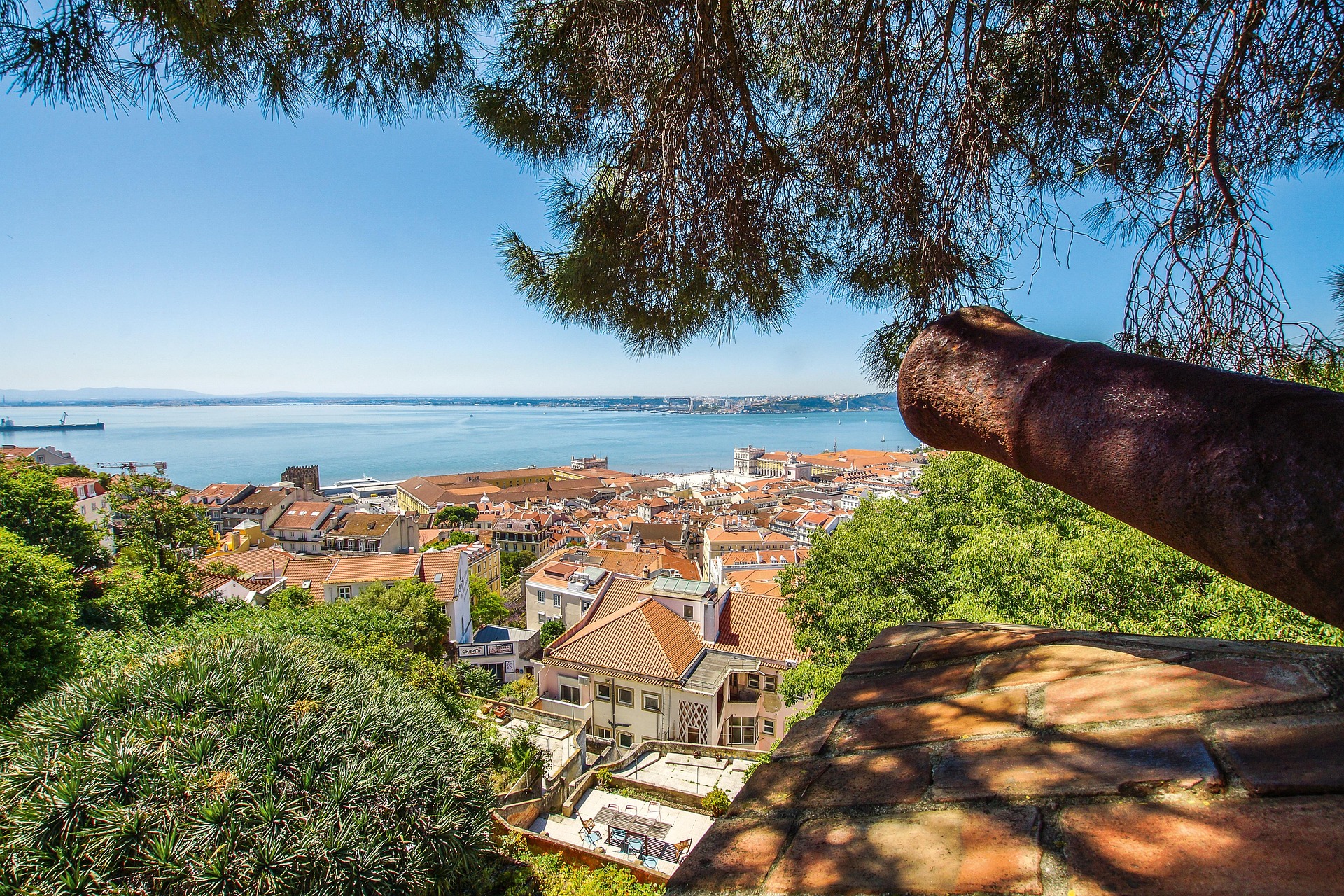
• Castelo de São Jorge
A hilltop fortress that played a central role in defense during the siege. Today it’s one of Lisbon’s most scenic viewpoints.
👉 Looking for a place to stay nearby? Hotels in Alfama with castle views are easy to compare and book on Booking.com.
A living museum of medieval Lisbon. Its labyrinth of lanes, arches, and stone staircases survived earthquakes and centuries of change.
• Mouraria
Once home to Lisbon’s Moorish residents after the conquest, Mouraria preserves layers of multicultural history still visible in its urban fabric.
• City Archaeology Nuclei
Beneath the modern Baixa lies evidence of medieval Lisbon, parts of which can be accessed via guided archaeology tours.
6. What Medieval Lisbon Looked (and Felt) Like
Imagine 12th-century Lisbon:
narrow, unpaved streets
wooden houses leaning over stone alleys
the smell of the harbor mixing with bread ovens
markets buzzing with Arabic, Latin, and early Portuguese
boats arriving from England, Normandy, Flanders, and the Mediterranean
The city was a blend of cultures, languages, and religions—a far cry from today’s relaxed pastel-colored Lisbon but just as vibrant.

Medieval-Themed Activities to Add to Your Lisbon Trip
These experiences are ideal for travelers who want deeper context—and they happen to align naturally with solid affiliate opportunities.
• Medieval Lisbon Walking Tours
These tours bring to life the battles, legends, and physical landmarks of 1147.
👉 Book a top-rated guided experience through Viator.
• Tagus River Cruises: See Lisbon Like a Crusader
The Crusaders approached Lisbon by sea—your cruise offers the same dramatic skyline arrival.
👉 Sunset cruises and history-focused boat tours are widely available.
• Day Trip to Sintra for Castle Lovers
Not Crusader-linked, but ideal for medieval atmosphere hunters.
👉 Combo tickets + transport passes are easily bookable.
• Stay in a Historic Lisbon Hotel
Some Alfama and Sé-area hotels incorporate medieval walls or offer castle views.
👉 Booking.com is a great resource for filtering by location + historic charm.
• Lisbon Cathedral Treasury Visit
Explore medieval artifacts, chalices, and relics connected to the city’s Christianization after 1147.
• Tomar: Day Trip to the Knights Templar City
To fully expand the medieval theme, consider a day trip to Tomar, home of the Templar Order in Portugal—direct descendants of Crusader military tradition.
👉 Tours to Tomar and the Convent of Christ are available on GetYourGuide.
Travel Tips for Visiting Lisbon’s Medieval Sites
Arrive early at Castelo de São Jorge for crowd-free photos.
Wear comfortable shoes—Alfama’s stone lanes can be steep and slippery.
Combine Alfama + Sé + Castelo in one half-day route.
Use public transport or tuk-tuks to reach steep hilltop viewpoints.
Bring water, especially in summer.
👉 Want these sites organized for you? Check out curated medieval Lisbon itineraries on Viator or GetYourGuide.
Final Thoughts: Lisbon’s Crusader Legacy Lives On
The story of Lisbon and the Crusades isn’t just a historical footnote—it’s a pivotal chapter that transformed the city into a thriving Christian capital and laid the groundwork for Portugal’s future as a global maritime power.
Today, you can still stand where Crusaders fought, worshipped, rebuilt, and dreamed of a new beginning. Lisbon is a city where past and present coexist beautifully—and understanding this chapter makes every viewpoint, cathedral, and alleyway feel richer and more meaningful.
For me, learning about Lisbon during the Crusades transformed the way I walk through the city — every stone in the castle walls, every narrow alley in Alfama, feels like it carries echoes of that time.
I hope this guide helps you appreciate that Lisbon’s history isn’t just in its monuments; it’s in the layers beneath the streets, where faith, ambition, and human drama all left their mark. Understanding this makes the city feel both larger and far more intimate at the same time.
👉 Planning to explore Lisbon’s medieval side? Don’t forget to browse top-rated tours, river cruises, and historic hotels through Viator, GetYourGuide, or Booking.com to make the most of your trip.
About the author
I’m Duncan, a Lisbon-based guide and writer who’s lived here for 11 years and taken hundreds of visitors around the city. I created Lisbon Listicles to share everything you need to know about Lisbon in clear, practical lists — from iconic sights to hidden gems — so you can plan your trip easily and make the most of your time here.
All recommendations are based on personal experience and the questions I hear most often from visitors.
Leave a Reply