Disclosure: Some links in this article are affiliate links. If you book through them, I may earn a small commission at no extra cost to you. I only recommend places and experiences I genuinely think are worth it.
Working around Lisbon’s streets every day, I’m often reminded that the city’s story isn’t only visible in its monuments — some of it sits quietly in symbols, architecture, and historical influence that many visitors walk past without noticing. Through conversations with travellers and my own curiosity about the layers behind the places I guide people through, I’ve spent time exploring how groups like the Freemasons have shaped aspects of Lisbon’s development. This guide comes from that hands-on familiarity and ongoing interest in understanding the city beyond the surface.
👉 Want the complete picture? Start with my ultimate history guide.
Lisbon’s Masonic Legacy
Lisbon is a city built on layers — of history, myth, art, architecture, and quiet symbolism. Among the most fascinating forces that have shaped the Portuguese capital is the discreet yet powerful influence of the Freemasons in Lisbon. Their mark can be seen in architecture, political progress, philosophy, urban planning, and even the way Lisbon rebuilt itself after catastrophe.
Walk through the city with even a hint of awareness and you’ll start to notice Masonic symbols, geometries, and references hidden in plain sight — reminders of an era defined by enlightenment, revolution, and intellectual brotherhood.
This expanded guide reveals 7 Ways Freemasons Shaped Lisbon — plus brand-new sections showing how you can follow the Masonic trail yourself, visit key sites, join expert-led tours, and experience Lisbon through a new lens.

7 Ways Freemasons Shaped the City of Lisbon
1. Architectural Marvels Built on Masonic Principles
Lisbon’s architecture carries the fingerprints of Freemason engineers, designers, and thinkers, especially in the city’s grand rebirth after the 1755 earthquake.
One of the clearest examples is the Águas Livres Aqueduct, engineered by Manuel da Maia, who worked within circles heavily influenced by Masonic ideals of geometric harmony, rationality, and enlightenment. Its soaring arches remain one of the city’s greatest feats of engineering.
Then, of course, there’s the Rossio Train Station. Its famous horseshoe arches and carved stone details are a silent gallery of Masonic symbols, from interlocking geometries to subtle references to the Temple of Solomon — a cornerstone of Masonic mythology.
Other Masonic-linked architectural stops include:
-
São Roque Church – lavish chapels with symbolic references
-
Estrela Basilica – symmetry and star symbolism
-
Prazeres Cemetery – Lisbon’s highest concentration of Masonic funerary markers
-
Pombaline Baixa – the world’s first earthquake-resistant, grid-planned urban design
👉 Want an expert to point out the symbols? Join a Masonic & Symbolism Architecture Tour on GetYourGuide or Viator.
2. The Cultural Awakening Sparked by Lisbon’s Freemasons
The Freemasons in Lisbon were instrumental in shaping the city’s cultural identity during the Enlightenment. Through salons, literary groups, and private lodges, they helped nurture Lisbon’s:
theaters
publishing houses
scientific academies
art movements
philosophical circles
Figures like José da Silva Carvalho helped shape Lisbon’s intellectual climate, fueling artistic experimentation and encouraging debate at a time when free expression wasn’t always welcome.
This spirit still lives on in:
the Chiado cafés, once home to literary and philosophical gatherings
the traditions of debate in Lisbon’s academies
the city’s emphasis on arts, literature, and performance
The Masonic legacy here isn’t carved in stone — it’s woven into Lisbon’s creative DNA.
3. Revolution, Politics & the Fight for Modern Portugal
Freemasons were central to the political transformation of 19th-century Portugal. During the Liberal Wars, they championed:
a constitutional monarchy
freedom of the press
civic rights
limited monarchy and shared governance
Their ideas helped guide Portugal away from absolutist rule and toward modern democracy.
These shifts didn’t happen in the open. Many of the most influential reform ideas were debated behind closed doors in secret Masonic lodges across Lisbon. Their work changed Portugal — quietly but permanently.
4. The Hidden Network of Lodges, Salons & Secret Meeting Halls
Lisbon’s Masonic salons were discreet worlds of:
-
philosophy
-
political debate
-
artistic collaboration
-
scientific curiosity
-
strategic reform
Lodges met in:
-
private Chiado palaces
-
repurposed guild halls
-
back rooms of literary cafés
-
quiet houses along Rua da Misericórdia
Some lodges still exist today — open, legal, but intentionally unobtrusive.
👉 You can actually visit many of these symbols and artifacts at the Lisbon Masonic Museum. Book a Museum + Walking Tour Combo on Viator or GetYourGuide
5. Masonic Symbols Hidden All Over the City
This is where Lisbon becomes a treasure hunt.
Once you know what you’re looking for, you’ll start seeing Masonic symbols everywhere:
-
the Compass & Square carved into stonework
-
sun motifs, pyramids, and glowing stars
-
checkered black-and-white pavements (duality symbolism)
-
geometric façades referencing Masonic spiritual architecture
-
obelisks and pillars referencing Boaz & Jachin
Places where symbols appear:
-
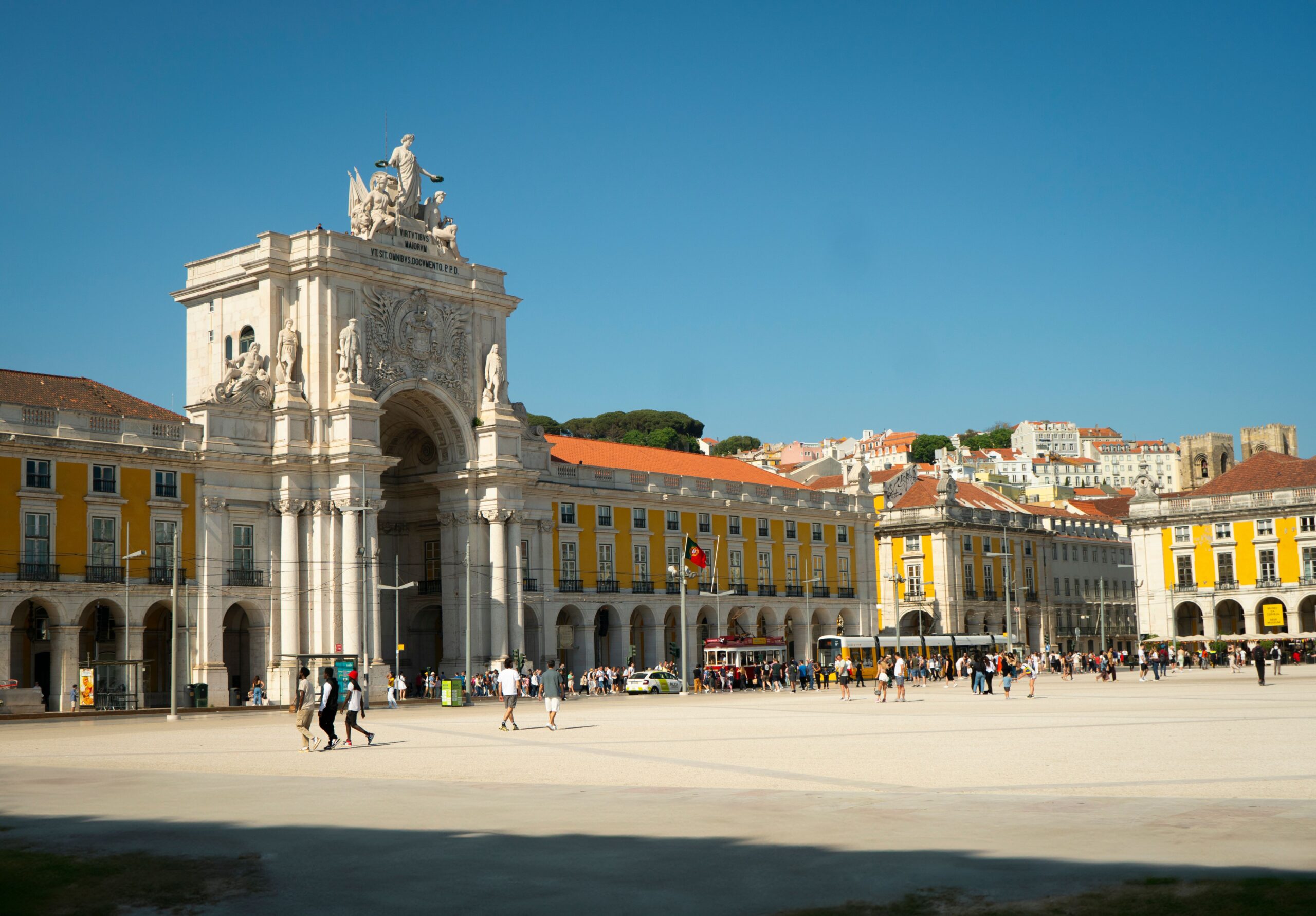
Praça do Comércio – geometry, sun symbolism
-
Rossio paving stones – duality checkerboard
-
Elevador de Santa Justa – structural symbolism
-
Estrela Garden monuments – obelisks and allegory
-
Prazeres Cemetery – the largest outdoor symbol gallery
6. Humanitarian Projects That Changed the City Forever
Freemasonry isn’t only myth and symbolism — it has a strong tradition of charity and public service. In Lisbon, Freemasons helped establish:
early hospitals
orphanages
community education programs
intellectual academies
social welfare support systems
Their focus on education and access helped shape Lisbon’s identity as a city that values learning, equality, and compassion.
Many of these institutions evolved, merged, or changed locations — but the spirit behind them remains a living part of Lisbon’s social fabric.
7. The Legends, Myths & Whispered Mysteries Beneath Lisbon
Part of the ongoing appeal of Lisbon’s Freemasons is the sense that their legacy still hides beneath the city’s surface — literally.
Rumors persist of:
-
underground chambers
-
former meeting halls hidden in cellars
-
stone carvings that mark “secret paths”
-
coded symbols on fountains and façades
-
tunnels beneath convents and noble houses
Some are real. Some are myth. All are mesmerizing.
👉 Explore Lisbon’s mysterious underground: Try a Subterranean Lisbon Tour on Viator or GetYourGuide 👉

A Complete DIY Freemason Trail Through Lisbon
Here’s a traveler-friendly Masonic Trail Itinerary you can follow on foot:
1. Praça do Comércio
Look for solar symbolism, geometry, and statuary referencing enlightenment.
2. Rua Augusta Arch
Allegorical sculptures hint at Masonic virtues.
3. Rossio Train Station
Horsehoe arches = direct symbolic reference.
4. Rossio Square
Classic Masonic duality in the black & white stone pattern.
5. Elevador de Santa Justa
Neo-gothic design echoing spiritual ascent.
6. São Roque Church
One of the world’s most expensive chapels — full of coded symbolism.
7. Estrela Basilica
Masonic geometry & star symbolism built right into its name.
8. Prazeres Cemetery
Lisbon’s “open-air Masonic museum.”
👉 Want a guide instead of DIY? Join a Freemason Lisbon Walking Experience on Viator
Where to Stay for a Masonic-Themed Trip
Stay in Lisbon’s most historic neighborhoods — the ones closest to the Masonic landmarks:
Baixa
Chiado
Rossio
Príncipe Real
These areas are walkable, atmospheric, and deeply connected to Lisbon’s Enlightenment-era history.
👉 See boutique heritage hotels in Lisbon on Booking.com
Perfect for travelers who want to stay in the heart of the symbolism.
❓ Lisbon Masonic FAQ
❓ Were Freemasons really behind Lisbon’s reconstruction after 1755?
Many of the planners, engineers, and intellectuals were connected to Enlightenment circles — including Masons.
❓ Are Masonic lodges still active in Lisbon?
Yes. Several remain active, though discreet.
❓ Can you visit a real Masonic lodge?
Most remain private, but the Lisbon Masonic Museum displays artifacts, regalia, documents, and decoded symbolism.
❓ Where are the best Masonic symbols in Lisbon?
Rossio Square, Praça do Comércio, Estrela Basilica, Prazeres Cemetery, and historic Chiado streets.
❓ Is Lisbon safe for exploring these sites at night?
Yes, especially Baixa, Chiado, and Rossio.
👉 Book a centrally located hotel for safe evening exploring.
Final Thoughts: The Freemasons’ Hidden Layer of Lisbon
Lisbon is a city of sunlight and symbolism — and once you see the city’s Masonic layer, you’ll never un-see it. From monumental aqueducts to hidden carvings, from salons to political revolutions, the Freemasons helped shape Lisbon’s architecture, culture, and identity.
Lisbon always rewards those who look a little deeper. Whether or not you arrive with an interest in Freemasonry, I hope these insights help you see familiar streets with fresh perspective and appreciate another dimension of the city’s complex history.
Walk gently, look closely, stay curious — the city will reveal its secrets.
About the author
I’m Duncan, a Lisbon-based guide and writer who’s lived here for 11 years and taken hundreds of visitors around the city. I created Lisbon Listicles to share everything you need to know about Lisbon in clear, practical lists — from iconic sights to hidden gems — so you can plan your trip easily and make the most of your time here.
All recommendations are based on personal experience and the questions I hear most often from visitors.
Leave a Reply