Disclosure: Some links in this article are affiliate links. If you book through them, I may earn a small commission at no extra cost to you. I only recommend places and experiences I genuinely think are worth it.
There are plenty of reasons why Lisbon has become one of Europe’s most popular city-break destinations. Its colourful buildings, historic neighbourhoods, beautiful viewpoints, excellent food and seemingly endless sunshine make it an attractive place to visit. But there’s something about Portugal’s capital that goes beyond its famous attractions. It’s the atmosphere, the lifestyle and the particular character of the city that make Lisbon such an interesting place to explore.
Ask someone who has visited Lisbon what they remember most, and you might hear about watching the sunset from a miradouro, getting lost in the narrow streets of Alfama, enjoying a leisurely lunch on a sunny terrace or stumbling across a little bar playing live Fado. These experiences might seem quite ordinary individually, but together they help explain what makes Lisbon special.
Having spent several years in Lisbon and worked as a tour guide, I’ve come to appreciate that the city has a personality that isn’t always easy to describe. It’s historic but increasingly modern, relaxed but sometimes chaotic, traditional yet wonderfully multicultural. There are neighbourhoods where life seems to move at a wonderfully slow pace, while just a short walk away you’ll find busy shopping streets, lively nightlife and some of the most fashionable restaurants in Portugal.
It’s also important to understand that Lisbon isn’t quite the perfect postcard that some travel advertisements suggest. It has its problems, including overcrowded tourist areas, rising living costs, steep hills and the occasional frustrating experience with public transport. But these realities are part of understanding the city too.
So, what is Lisbon really like? What should you expect from its atmosphere, people, culture and everyday lifestyle?
Let’s take a closer look at 12 things that help define the vibe of Portugal’s fascinating capital.
👉 Read my full guide for more tips and practical info in Lisbon.

What Is Lisbon Like to Visit?
1. Lisbon Has a Relaxed Atmosphere, But It’s Not Always as Slow as You Might Imagine
One of the first things visitors often notice about Lisbon is its relatively relaxed atmosphere.
Compared with some of Europe’s larger capitals, Lisbon can feel less frantic. People gather outside cafés, conversations continue over long lunches and there’s a noticeable appreciation for spending time enjoying everyday pleasures.
You’ll often see locals sitting at pavement cafés with a bica (a Portuguese espresso), chatting with friends or simply watching the world go by. In residential neighbourhoods, small grocery shops, traditional bakeries and family-run restaurants continue to form part of everyday life.
There’s also something particularly enjoyable about the way Lisbon encourages people to spend time outdoors. The city’s mild climate means that terraces and outdoor seating areas remain popular throughout much of the year. Even during the cooler months, you’ll frequently find people enjoying a coffee or meal outside whenever the sun makes an appearance.
However, don’t confuse this relaxed atmosphere with a city that never gets busy.
Lisbon has become an extremely popular destination, and its central areas can be hectic, particularly during the summer. The streets around Praça do Comércio, Rua Augusta, Rossio and the historic neighbourhoods of Alfama and Bairro Alto can become crowded with visitors.
Rush hour is another reminder that Lisbon is a working capital with all the usual urban frustrations.
Nevertheless, there’s a particular rhythm to life here. People work, commute and deal with everyday responsibilities, but there’s still an appreciation for enjoying the little things.
For visitors, one of the best ways to experience this is to resist the temptation to rush from one attraction to another. Find a terrace, order a coffee, take your time and enjoy watching Lisbon go about its business.
That’s often when the city’s personality becomes most apparent.
2. It’s a City Where Traditional Portugal Meets Modern Europe
Lisbon is one of those cities where the past and present exist almost on top of each other.
Walk through Alfama and you’ll encounter narrow cobbled streets, traditional tiled façades, elderly residents chatting from their doorways and small restaurants that appear to have been there forever.
Head towards Avenida da Liberdade or Príncipe Real, however, and you’ll discover a rather different Lisbon. Here, elegant boutiques, fashionable restaurants, international brands and contemporary businesses give the city a distinctly modern European character.
This contrast is one of Lisbon’s greatest attractions.
In Baixa, the elegant Pombaline architecture of the eighteenth century provides the setting for modern shops, cafés and restaurants. In Chiado, historic literary cafés sit alongside designer boutiques and contemporary cultural spaces.
Then there’s the increasingly fashionable Alcântara district, where former industrial buildings have been transformed into creative spaces, restaurants, independent shops and places to meet friends.
LX Factory is probably the best-known example of this transformation. Once an industrial complex, it has become one of the city’s most recognisable creative destinations.
But Lisbon hasn’t completely abandoned its traditional identity in the process.
Traditional tascas still serve inexpensive daily specials, old-fashioned bakeries continue to produce Portuguese pastries, and neighbourhood markets remain important meeting places for residents.
The result is a city that doesn’t feel frozen in time. Lisbon is constantly changing, and although some people understandably worry about the disappearance of traditional businesses and the character of older neighbourhoods, that tension between old and new is an important part of its present-day identity.
For visitors, it’s worth experiencing both sides rather than concentrating exclusively on the historic centre.
3. Café Culture Is a Big Part of Everyday Life
If there’s one thing you’ll quickly notice in Lisbon, it’s that people really enjoy their coffee.
Portuguese coffee culture is an important part of everyday life, and you’ll find cafés and pastelarias (pastry shops) on practically every corner.
Unlike some countries where grabbing a takeaway coffee has become the norm, sitting down for a quick espresso remains a familiar part of the daily routine.
The most common order is a bica, which is essentially a Portuguese espresso. If you’re in Lisbon and want to order one, simply ask for uma bica.
You’ll also encounter cafés serving meia de leite, a coffee with roughly equal parts espresso and milk, galão, a larger milky coffee usually served in a tall glass, and garoto, an espresso with a little milk.
But coffee is only part of the experience.
Portuguese pastelarias are also places where people meet friends, read the newspaper, have breakfast or take a break during the working day.
You’ll often find a selection of pastries behind the counter, including the famous pastel de nata. Although the custard tart is undoubtedly Lisbon’s most internationally recognised pastry, there are plenty of other Portuguese treats worth trying.
One thing I particularly enjoy about Lisbon is that you don’t necessarily need to find an expensive or fashionable café to have a good experience. Some of the most enjoyable places are the simplest neighbourhood establishments, where the coffee is good, the prices are reasonable and the atmosphere is wonderfully unpretentious.
My advice? Don’t spend your entire visit drinking coffee in tourist-oriented establishments. Wander a little further into the residential streets and discover some of the smaller pastelarias.
You’ll often get a much better feel for everyday Lisbon.
4. Neighbourhood Life Still Plays an Important Role
Despite the enormous growth in tourism, Lisbon remains a city of neighbourhoods, each with its own personality and atmosphere.
This is particularly noticeable in the older parts of the city, where neighbourhood identity remains an important part of everyday life.
In Alfama, you’ll find winding streets, traditional buildings, small grocery shops and glimpses of everyday life between the more heavily visited tourist spots.
Mouraria has a different personality. Historically associated with the development of Fado, it’s also one of Lisbon’s most multicultural neighbourhoods. Its streets reflect the influence of generations of residents from different parts of the world.
Bairro Alto, meanwhile, has a fascinating dual personality. During the day, it can be surprisingly quiet, with traditional shops and restaurants gradually opening their doors. Once evening arrives, the neighbourhood transforms into one of Lisbon’s best-known nightlife destinations.
Then there’s Campo de Ourique, which has a more residential atmosphere. Its traditional market, local shops, bakeries and cafés make it an interesting place to experience a less tourist-oriented side of Lisbon.
Príncipe Real has a slightly more sophisticated feel, with attractive gardens, independent boutiques, restaurants and beautiful old buildings.
Each neighbourhood contributes something different to the overall character of the city.
Rather than spending your entire visit around Baixa and the main attractions, try exploring some of these different areas. You’ll quickly realise that Lisbon isn’t one single atmosphere but a collection of smaller communities with their own identities.
👉 Discover Lisbon’s neighbourhoods with a local walking tour through Viator.
5. Lisbon Is a City That Loves Spending Time Outdoors
Lisbon’s relationship with the outdoors is another important part of its personality.
Thanks to its relatively mild climate, the city has a lifestyle that frequently revolves around outdoor spaces.
Terraces, gardens, public squares and viewpoints are popular meeting places, particularly when the weather is good.
One of the most enjoyable things about Lisbon is the number of miradouros scattered throughout the city. These viewpoints aren’t simply places for tourists to take photographs. Many are genuine social spaces where people meet friends, enjoy a drink, listen to musicians or watch the sun disappear behind the rooftops.
Miradouro de Santa Catarina, Miradouro da Graça and Miradouro de São Pedro de Alcântara are particularly popular examples.
You’ll also find people spending time in Lisbon’s many gardens.
Jardim da Estrela is a wonderful place to escape the busier streets, while the gardens of Príncipe Real provide a pleasant setting for a coffee or a relaxing afternoon.
Closer to the river, the waterfront offers another dimension to the city’s outdoor lifestyle. The areas around Cais do Sodré, Ribeira das Naus and Belém are popular for walking, cycling and simply enjoying the views.
And then, of course, there’s the Tagus River itself.
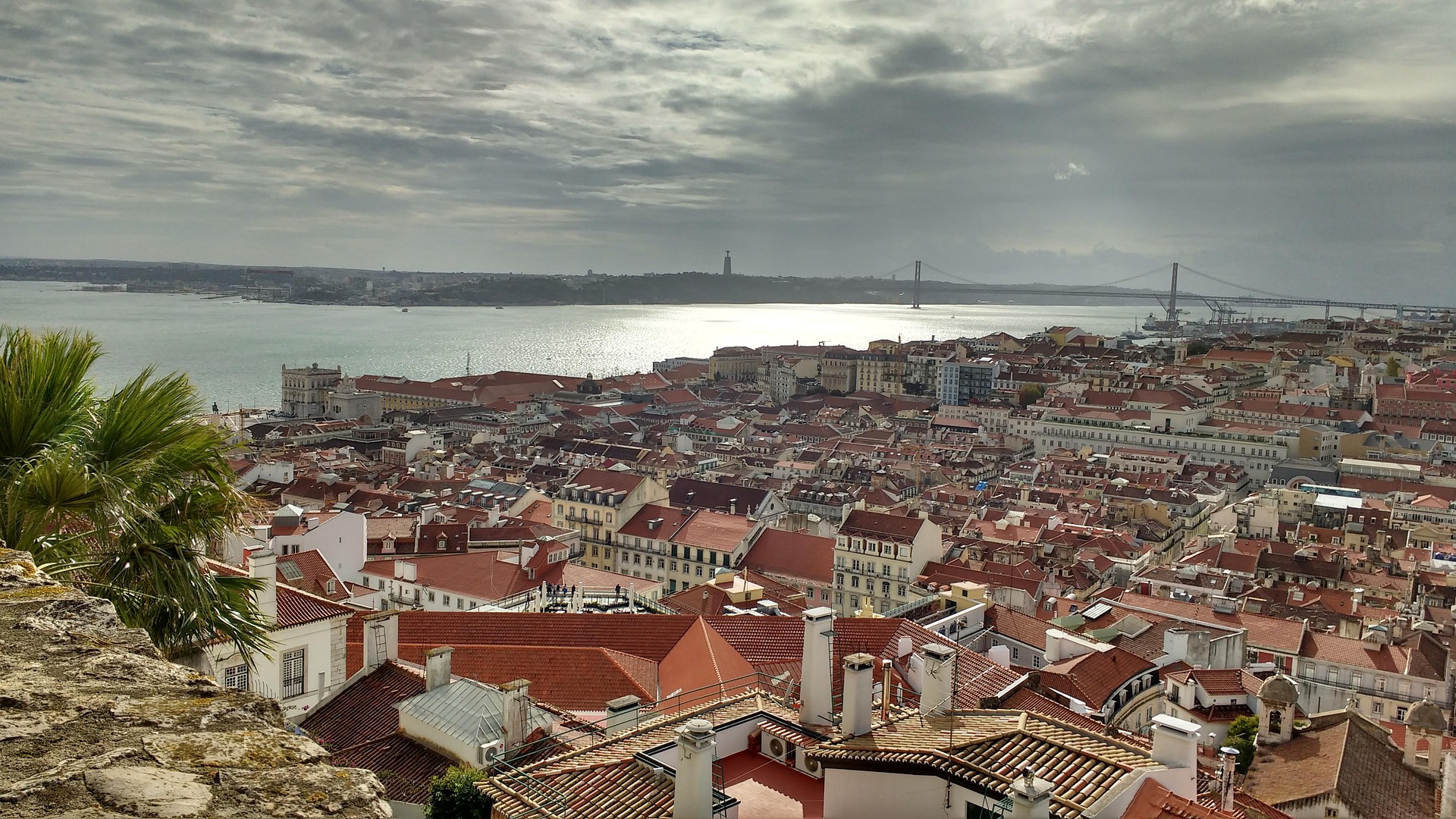
The river is an enormous part of Lisbon’s identity. Whether you’re sitting beside it at sunset, watching boats pass beneath the 25 de Abril Bridge or taking a boat trip along the waterfront, it’s difficult to separate the city’s atmosphere from its relationship with the water.
If you’re visiting Lisbon, consider taking a sailing trip on the Tagus. Seeing the city from the river provides an entirely different perspective, particularly towards sunset.
👉 Explore Lisbon sailing trips and river experiences on Viator.
👉 Compare Lisbon boat tours and sunset cruises on GetYourGuide.
6. Music Is Deeply Connected to Lisbon’s Identity
Music is another important part of Lisbon’s cultural character, and no discussion of the city’s atmosphere would be complete without mentioning Fado.
Fado is a traditional Portuguese musical style characterised by expressive vocals, Portuguese guitar and often melancholic themes involving love, longing, nostalgia and the feeling known as saudade.
Although its precise origins are debated, Fado became strongly associated with Lisbon during the nineteenth century, particularly with neighbourhoods such as Alfama and Mouraria.
Today, traditional Fado houses remain an important part of the city’s cultural landscape.
These establishments often combine Portuguese food with live musical performances, creating an intimate atmosphere in which the singer and musicians take centre stage.
You don’t need to understand Portuguese to appreciate Fado. In fact, some of its emotional power comes from the music itself rather than the lyrics.
However, Lisbon’s musical identity goes considerably further than traditional Fado.
The city has a diverse contemporary music scene influenced by Portuguese, African, Brazilian and international musical traditions.
You’ll encounter everything from jazz and indie music to electronic music, hip-hop and Afro-Portuguese sounds.
This diversity reflects Lisbon’s history as a meeting point between different cultures and its modern identity as an increasingly international city.
If you’re interested in experiencing traditional Portuguese culture, attending a Fado performance is an excellent way to spend an evening.
👉 Discover traditional Fado shows and cultural experiences in Lisbon through Viator.
7. Lisbon Has a Surprisingly Diverse and Multicultural Personality
Something that sometimes surprises first-time visitors is just how multicultural Lisbon has become.
Portugal has centuries of connections with different parts of the world, and those historical relationships continue to influence the capital today.
Lisbon has particularly strong cultural connections with Brazil, Angola, Mozambique, Cape Verde, Guinea-Bissau and São Tomé and Príncipe.
More recently, the city has also attracted people from across Europe, South Asia and many other parts of the world.
This diversity is visible in everyday life.
You’ll hear different languages being spoken in the streets, discover restaurants serving food from across the world and encounter cultural influences that have become part of the city’s modern identity.
Arroios is an especially interesting neighbourhood in this respect. The area around Avenida Almirante Reis is known for its multicultural character, with restaurants, grocery shops and businesses reflecting the backgrounds of its residents.
Mouraria is another excellent example.
Often described as one of Lisbon’s most multicultural neighbourhoods, it has a long history of cultural exchange and continues to reflect the changing face of the city.
Food is one of the easiest ways to experience this diversity.
Alongside traditional Portuguese restaurants serving bacalhau, grilled fish and hearty meat dishes, you’ll find Brazilian, Indian, Nepalese, Chinese, African and many other cuisines.
This doesn’t mean traditional Portuguese culture has disappeared. Far from it.
Instead, Lisbon is a city where different cultural influences increasingly exist alongside one another, creating a character that is difficult to replicate elsewhere.
For visitors interested in understanding modern Lisbon, exploring these less conventional areas can be just as rewarding as visiting the famous historic districts.
8. The Nightlife Is Lively, Sociable and Surprisingly Varied
Lisbon has a reputation for excellent nightlife, and it’s largely deserved.
However, the city’s evening atmosphere isn’t limited to nightclubs and late-night drinking.
In fact, one of the nicest things about Lisbon is the variety of ways to spend an evening.
You could enjoy a leisurely dinner in a traditional Portuguese restaurant, listen to Fado in Alfama, have drinks overlooking the river or spend several hours exploring the bars of Bairro Alto.
Bairro Alto is probably the most recognisable nightlife neighbourhood.
Its narrow streets are lined with small bars, restaurants and drinking establishments. During the evening, particularly towards the weekend, people spill out onto the pavements and create a lively street atmosphere.
Cais do Sodré has a slightly different personality.
The area has undergone considerable transformation and is now one of the city’s best-known nightlife destinations. Pink Street is particularly famous for its bars and clubs, although the surrounding streets have plenty of other places worth discovering.
For something a little more sophisticated, Príncipe Real has cocktail bars, restaurants and attractive outdoor spaces.
Meanwhile, Alcântara and the waterfront around the former industrial areas offer alternative nightlife options, including music venues and larger establishments.
The best thing about Lisbon’s nightlife is that there’s something for different types of visitors.
You don’t have to be interested in clubbing to enjoy an evening in the city. Sometimes, simply finding a pleasant terrace, ordering a drink and enjoying the atmosphere is more than enough.
If you’d like to explore the nightlife with other travellers, a guided pub crawl can be a good way to discover some of the city’s bars and meet people.
👉 Explore Lisbon pub crawls and nightlife experiences on Viator.
👉 Find Lisbon nightlife tours and social experiences on GetYourGuide.
9. The City Has a Romantic and Slightly Melancholic Side
There’s something undeniably romantic about Lisbon.
Perhaps it’s the light, perhaps it’s the architecture, or perhaps it’s the combination of historic streets, traditional music and beautiful river views.
Whatever the reason, Lisbon has an atmosphere that can feel almost cinematic at certain times of the day.
Early mornings are particularly special.
Before the main tourist crowds arrive, the historic neighbourhoods can be wonderfully peaceful. Shopkeepers open their doors, residents head to work and the streets gradually come to life.
The late afternoon is another beautiful time.
As the sunlight begins to soften, the city’s rooftops take on a warmer colour, the Tagus reflects the changing sky and the viewpoints gradually fill with people waiting for sunset.
There is also something rather nostalgic about Lisbon’s older neighbourhoods.
The slightly weathered buildings, faded façades, traditional shops and narrow streets give parts of the city a sense of history that is difficult to manufacture.
This atmosphere is closely connected to the Portuguese concept of saudade.
Although it doesn’t have a straightforward English translation, saudade describes a feeling of longing or nostalgia for something or someone absent, sometimes accompanied by a sense of melancholy.
It’s often associated with Fado, but it also helps explain some of the emotional character people associate with Lisbon.
Of course, not every visitor will experience the city this way. But if you enjoy destinations with a little history, atmosphere and personality, Lisbon has plenty to offer.
10. Lisbon Is a City of Contrasts, and Not Everything Is Perfect
It’s easy to fall in love with Lisbon when you’re visiting for a few days.
The sunshine, beautiful architecture, restaurants, viewpoints and relaxed outdoor atmosphere make it a very appealing destination.
But it’s important to recognise that the city has another side.
Lisbon has experienced significant changes over recent years, particularly as international tourism, property investment and demand for accommodation have increased.
The consequences are visible in several parts of the city.
Some traditional shops and restaurants have disappeared, replaced by businesses catering primarily to visitors. Housing affordability has become a major concern for many residents, and some historic neighbourhoods have experienced considerable pressure from short-term accommodation.
Tourism has undoubtedly brought economic opportunities, but it has also created challenges for the people who live and work in the city.
Then there are the everyday inconveniences visitors might not initially expect.
Lisbon is built across seven hills, and walking around can involve considerably more climbing than you might imagine. The famous cobbled pavements can become slippery when wet, and the city’s steep streets aren’t particularly friendly to everyone with mobility difficulties.
Summer can also be extremely hot, particularly when you’re walking around the exposed streets of Baixa or climbing towards São Jorge Castle.
The historic trams can be crowded, public transport occasionally suffers delays and some of the most popular attractions can become frustratingly busy during peak season.
And while Lisbon has a reputation for being relatively affordable compared with some other Western European capitals, it’s no longer the inexpensive destination that many older travel guides might suggest.
Eating in a traditional neighbourhood restaurant can still be excellent value, but prices in the most heavily touristed areas can be considerably higher.
None of this should put you off visiting.
In fact, understanding these realities can help you enjoy Lisbon more. You’ll know what to expect, where to avoid the busiest areas and why it’s worth looking beyond the obvious tourist attractions.
A city doesn’t need to be perfect to be wonderful.
11. Lisbon’s Atmosphere Changes Dramatically Between Neighbourhoods
One of the best ways to understand Lisbon is to explore its different neighbourhoods.
Although the city has a recognisable overall character, individual districts can feel remarkably different from one another.
Here are a few examples.
Alfama: Traditional, Historic and Atmospheric
Alfama is probably the neighbourhood most closely associated with the traditional image of Lisbon.
Its maze of narrow streets, historic buildings, tiled façades, small squares and Fado establishments make it one of the most atmospheric parts of the capital.
Despite the large number of visitors, there are still quieter corners where everyday neighbourhood life continues.
Mouraria: Multicultural and Full of Character
Mouraria has a slightly different personality.
It’s one of Lisbon’s most culturally diverse neighbourhoods, with a mixture of traditional Portuguese establishments and businesses reflecting its international population.
It’s also closely connected with the history of Fado and offers an interesting glimpse into a less polished but equally fascinating side of the city.
Baixa: Grand, Bustling and Central
Baixa is the commercial heart of historic Lisbon.
Its broad streets, elegant squares and symmetrical architecture provide a striking contrast with the narrow medieval streets of Alfama.
It’s busy, particularly around Rua Augusta and Praça do Comércio, and has a distinctly metropolitan atmosphere.
Chiado: Elegant, Cultural and Cosmopolitan
Chiado has long been associated with Lisbon’s intellectual and cultural life.
Its historic cafés, theatres, bookshops and elegant streets give it a more sophisticated character.
It’s also an excellent place for shopping, dining and enjoying an afternoon coffee.
Bairro Alto: Quiet by Day, Lively by Night
Bairro Alto is one of Lisbon’s most interesting neighbourhoods because its personality changes so dramatically throughout the day.
During daylight hours, it’s relatively peaceful. After dark, its narrow streets become some of the busiest social spaces in the capital.
Belém: Spacious, Historic and Riverside
Belém feels quite different from central Lisbon.
Its wide open spaces, gardens, monumental buildings and proximity to the river create a more relaxed atmosphere.
It’s an excellent place to spend an afternoon exploring Portugal’s maritime history, visiting museums and enjoying the waterfront.
Príncipe Real: Stylish, Relaxed and Contemporary
Príncipe Real has become one of Lisbon’s more fashionable neighbourhoods.
Its independent shops, restaurants, gardens and attractive architecture create a pleasant atmosphere that’s slightly removed from the busiest tourist areas.
Arroios: Diverse, Residential and Everyday Lisbon
Arroios offers another perspective.
It’s a busy residential area with a strong multicultural character, local businesses, restaurants and everyday street life.
It’s particularly interesting for visitors who want to see something beyond the traditional historic centre.
The important thing to remember is that you shouldn’t judge Lisbon’s overall atmosphere based on just one neighbourhood.
Exploring several different districts will give you a much better understanding of what makes the city tick.
👉 Discover Lisbon’s historic neighbourhoods on a guided walking tour through GetYourGuide.
12. The Best Way to Experience Lisbon Is to Slow Down and Explore
Finally, perhaps the most important thing to understand about Lisbon is that it’s a city best experienced at a slightly slower pace.
It’s tempting to arrive with a long list of attractions and try to fit everything into a two- or three-day visit.
There’s certainly nothing wrong with seeing the famous sights. Places such as Belém Tower, Jerónimos Monastery, São Jorge Castle and Praça do Comércio deserve their popularity.
But Lisbon has so much more to offer than its main attractions.
Some of the most memorable experiences come from the things you don’t necessarily plan.
You might discover a little bakery while wandering through a residential neighbourhood, stumble across a beautiful viewpoint you hadn’t heard about or find yourself spending an hour in a traditional restaurant because the atmosphere is simply too good to leave.
You might hear someone playing Portuguese guitar in a small square, discover a neighbourhood market or find a quiet street where the only sounds are conversations drifting from nearby cafés.
These are the experiences that often stay with people long after their holidays have ended.
I’d recommend leaving some unplanned time in your schedule.
Choose a neighbourhood, explore its streets and see where the day takes you. Use public transport when necessary, but don’t be afraid to walk and discover places between the main attractions.
If you’re particularly interested in understanding the history and character of the city, a guided tour can also be worthwhile. A knowledgeable local guide can explain things you might otherwise walk straight past, from architectural details to the stories behind individual neighbourhoods.
And if you want to experience the city from a different perspective, consider a tuk-tuk tour, a food tour or a sailing trip along the Tagus.
👉 Browse Lisbon’s sightseeing and cultural tours on Viator.
👉 Discover more unique Lisbon experiences through GetYourGuide.
The trick is to balance sightseeing with simply enjoying being in Lisbon.
That’s when you’ll start to appreciate its real personality.

Where to Stay in Lisbon
If you’re planning to experience Lisbon for yourself, choosing the right neighbourhood can make a big difference to your stay. Whether you prefer the historic charm of Alfama, the lively atmosphere of Bairro Alto or the elegant surroundings of Chiado, Lisbon has accommodation options for every type of traveller.
❓Frequently Asked Questions About Lisbon’s Atmosphere and Lifestyle
❓1. What is Lisbon’s overall vibe?
Lisbon has a relaxed but lively atmosphere, combining traditional Portuguese culture with a modern, multicultural European lifestyle. Its historic neighbourhoods, outdoor cafés, viewpoints, music scene and social culture give the city a distinctive personality. While some areas are busy and tourist-oriented, others retain a more traditional residential atmosphere.
❓2. Is Lisbon a relaxed or busy city?
It’s a combination of both. Lisbon has a relatively relaxed outdoor café and dining culture, but its central neighbourhoods can become extremely busy, particularly during the summer and at weekends. Residential areas away from the main tourist attractions often feel considerably quieter.
❓3. Is Lisbon a friendly city for tourists?
Generally, yes. Visitors will find that Portuguese people are accustomed to welcoming international tourists, and English is widely spoken in many hotels, restaurants and tourist establishments. Learning a few basic Portuguese expressions is nevertheless appreciated and can make interactions more enjoyable.
❓4. Is Lisbon a party city?
Lisbon has an excellent nightlife scene, with everything from small traditional bars and live Fado performances to cocktail lounges, electronic music venues and nightclubs. Bairro Alto and Cais do Sodré are particularly well known for their nightlife, but there are plenty of quieter options too.
❓5. Is Lisbon very touristy?
Yes, particularly in the historic centre and around famous attractions such as Alfama, Belém and Baixa. However, Lisbon remains a functioning capital with residential neighbourhoods, local markets, traditional businesses and everyday communities. Exploring areas such as Arroios, Campo de Ourique and parts of Alcântara can provide a different perspective.
❓6. What is Lisbon famous for besides its attractions?
Lisbon is famous for its Fado music, traditional Portuguese cuisine, coffee culture, historic neighbourhoods, tiled buildings, viewpoints and relationship with the Tagus River. Its relaxed outdoor lifestyle and distinctive architecture are also important parts of its identity.
❓7. Is Lisbon good for couples?
Absolutely. Lisbon is an excellent destination for couples, particularly those who enjoy exploring historic streets, dining outdoors, watching sunsets and discovering interesting neighbourhoods. Sunset sailing trips, Fado evenings and romantic restaurants provide plenty of opportunities for memorable experiences.
❓8. Is Lisbon a good destination for solo travellers?
Yes. Lisbon has a well-established tourism infrastructure, plenty of hostels and accommodation options, numerous guided tours and a lively social scene. Walking tours, food tours and pub crawls can be particularly useful for solo travellers looking to meet other people.
❓9. Is Lisbon expensive?
Lisbon can be relatively affordable compared with some major Western European capitals, but it isn’t the budget destination it once was. Accommodation, particularly in the historic centre, can be expensive during peak season. Restaurants and cafés also vary considerably in price, with traditional neighbourhood establishments often offering better value than heavily touristed locations.
❓10. What is the best neighbourhood to experience Lisbon’s atmosphere?
That depends on what you’re looking for. Alfama is excellent for traditional architecture and historic atmosphere, Mouraria offers a multicultural character, Bairro Alto is ideal for nightlife, Chiado has a more elegant cultural feel, and Campo de Ourique provides a more residential experience. Ideally, explore several neighbourhoods during your visit.
❓11. Is Lisbon better in summer or winter?
Both seasons have their advantages. Summer brings warm weather, outdoor events, lively terraces and the famous Santos Populares festivities in June. Winter is generally quieter, and although the weather can be rainy, Lisbon often enjoys pleasant sunny days even during the cooler months. Spring and autumn are particularly attractive for sightseeing.
❓12. How many days do you need to experience Lisbon properly?
I’d recommend spending at least three full days in Lisbon to experience its main attractions and explore a few different neighbourhoods. Four or five days would be even better, allowing you to enjoy the city at a more relaxed pace, discover some less touristy areas and perhaps take a day trip to Sintra or Cascais.
Final Thoughts: So, What Is Lisbon Really Like?
Lisbon is one of those cities that’s difficult to describe without experiencing it for yourself.
It’s historic but modern, relaxed but occasionally chaotic, traditional yet increasingly international. It has beautiful architecture, a wonderful food scene, a rich musical heritage and an outdoor lifestyle that makes it particularly enjoyable for visitors.
But what really makes Lisbon interesting is the combination of all these things.
It’s the contrast between a quiet morning in Alfama and a lively evening in Bairro Alto. It’s the difference between a traditional neighbourhood tasca and a fashionable restaurant in Príncipe Real. It’s the sound of Portuguese guitar drifting through an old street, the smell of freshly baked pastries in a local pastelaria and the sight of the Tagus River catching the last light of the day.
Of course, Lisbon has its challenges. Tourism has changed parts of the city, living costs have increased and the busiest areas can sometimes feel overwhelmed by visitors. It’s not always the inexpensive, undiscovered European capital that some older travel guides might have you believe.
But despite all its changes, Lisbon retains a character that makes it a fascinating place to explore.
My biggest recommendation is not to approach Lisbon as a checklist of attractions. See the famous landmarks, certainly, but give yourself time to discover the neighbourhoods, enjoy the food, sit in the cafés and experience the everyday rhythm of the city.
Don’t be afraid to wander away from the main tourist streets, either. Some of the most interesting parts of Lisbon are found when you least expect them.
And perhaps that’s the best way to describe Lisbon’s vibe: it’s a city that rewards curiosity. The more time you spend exploring it, the more layers you discover.
If you’re planning a visit, take your time, explore beyond the obvious and allow yourself to experience Lisbon rather than simply see it.
You might just understand why so many people fall in love with this remarkable city.
About the author
I’m Duncan, a Lisbon-based guide and writer who’s lived here for 11 years and taken hundreds of visitors around the city. I created Lisbon Listicles to share everything you need to know about Lisbon in clear, practical lists — from iconic sights to hidden gems — so you can plan your trip easily and make the most of your time here.
All recommendations are based on personal experience and the questions I hear most often from visitors.
Leave a Reply